Apple Candy
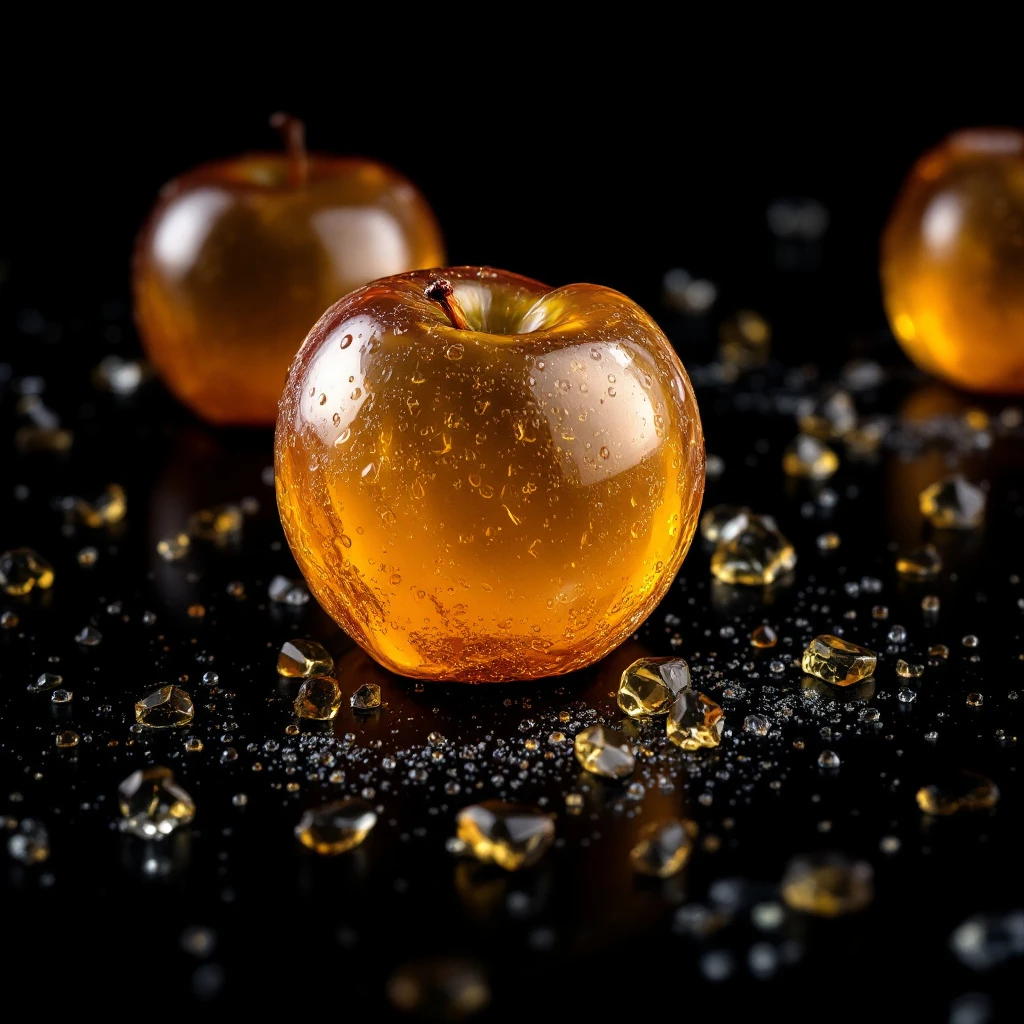
Apple Candy opens compositions with playful sweetness—glossy, confectionery, and irresistibly bright. This synthetic accord recreates the candied apple experience, combining esters that mirror the glossy finish of caramel-coated fruit. Perfumers turn to it when a friendly, youthful warmth is needed in the heart of a fragrance.
Character
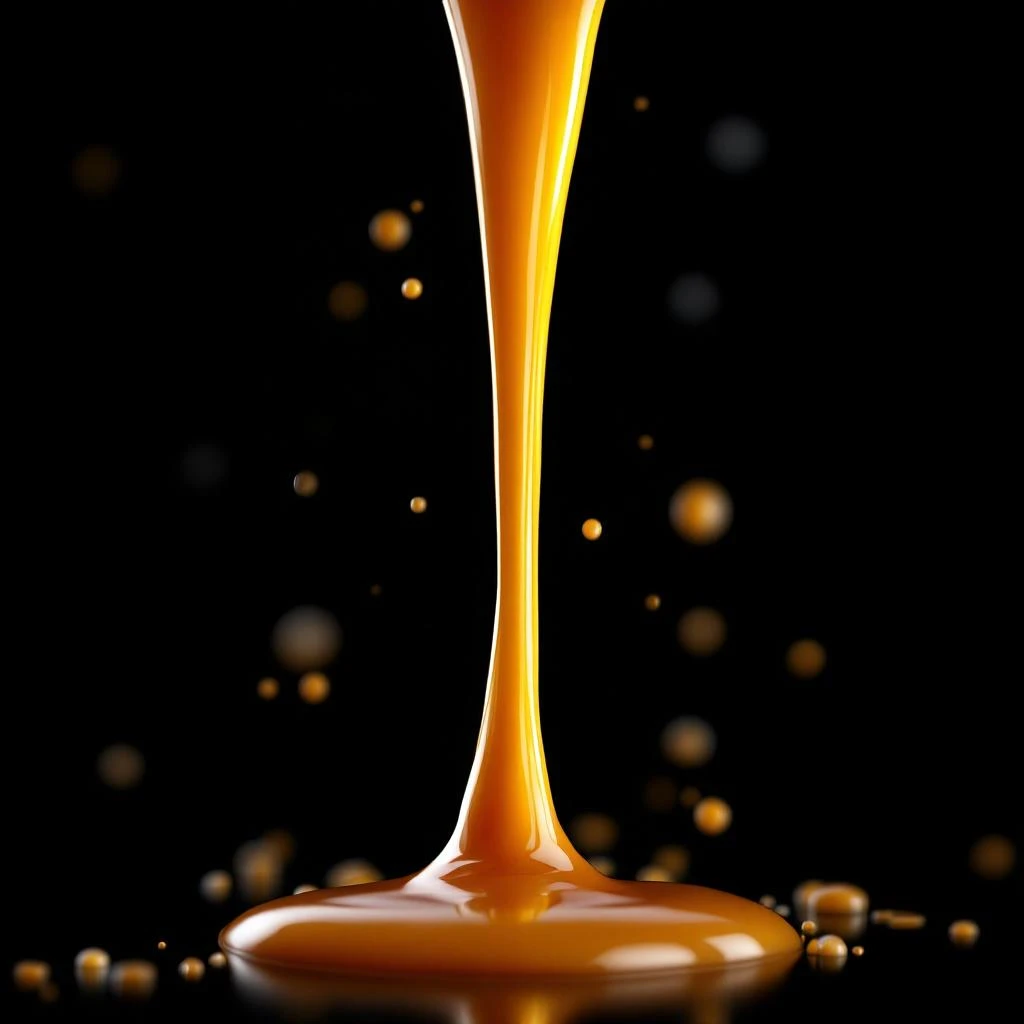
How it smells
Sweet nostalgia captured in a single note
The candy apple smell comes from isoamyl acetate, the same ester that gives ripe bananas their scent. Blended with other esters, it recreates that unmistakable glossy confection.





Origin
Germany
Before organic synthesis, perfumers could not isolate a true apple note. Ancient Egyptians and Mesopotamians used whole fruits and pressed oils, but these captured only fleeting impressions. The real shift began in the late nineteenth century when chemists isolated individual aroma compounds.
Scientists identified isoamyl acetate and ethyl butyrate as primary contributors to apple aroma, making them among the first fragrance ingredients ever synthesized. This discovery enabled perfumers to construct apple characters on demand rather than waiting for a harvest. By the mid-twentieth century, fruity fragrances exploded in popularity, and apple candy became a staple of youthful, playful perfume design.
The 1980s and 1990s saw a surge in gourmand fragrances, with apple candy frequently appearing as a top note that immediately signals sweetness and accessibility. Today it remains a cornerstone of fresh and fruity perfume families, especially in scents aimed at new fragrance wearers exploring the world of perfumery.
Wears it best
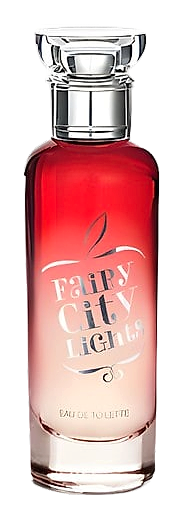
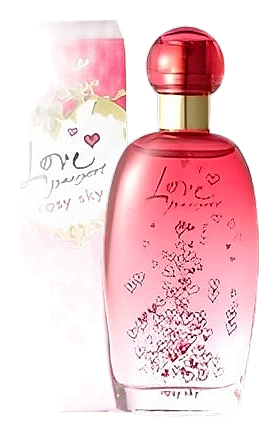
Fragrances featuring Apple Candy
Brands
Brands known for Apple Candy
Good to know
Questions, answered
The essentials on Apple Candy in perfumery: how it smells, where it comes from, and how it behaves on skin.
What is Apple Candy in perfumery?
Apple Candy is a synthetic fragrance accord designed to replicate the smell of candied or caramel-coated apples. It combines fruity esters to create a sweet, glossy, and playful apple character used primarily as a top or heart note.
Is Apple Candy a natural ingredient?
No. Apple Candy is entirely synthetic, constructed from lab-produced aroma chemicals like isoamyl acetate and ethyl butyrate. This ensures consistency across batches and over seasons.
What chemicals create the Apple Candy smell?
The accord typically blends isoamyl acetate, ethyl butyrate, and aldehyde C-6. These compounds mirror the ester profile of ripe apples while adding a confectionery sweetness that natural fruit lacks.
What type of fragrance is Apple Candy used in?
Perfumers use it most often in fresh, fruity, and gourmand fragrance families. It appears frequently in youthful scents, summer fragrances, and playful compositions where immediate sweetness is desired.
What role does Apple Candy play in a perfume composition?
It functions primarily as a top note that draws the wearer in with bright, accessible sweetness. In the heart of a fragrance, it can add a confectionery warmth that softens sharper ingredients.
Is Apple Candy safe to use in skin products?
When used within International Fragrance Association guidelines, Apple Candy accord ingredients are considered safe for cosmetic and personal care use. Perfumers follow regulatory concentration limits for each compound.
How does Apple Candy differ from fresh apple notes?
Fresh apple notes like Granny Smith emphasize tartness and crispness. Apple Candy adds a syrupy, confectionery sweetness and a gloss-like quality that mimics the surface of a caramel-coated apple.
When was the Apple Candy accord developed?
Individual apple aroma compounds were first synthesized in the late nineteenth century alongside other fruity esters. The playful candy interpretation became popular mid-twentieth century as fruity and gourmand fragrances grew in demand.