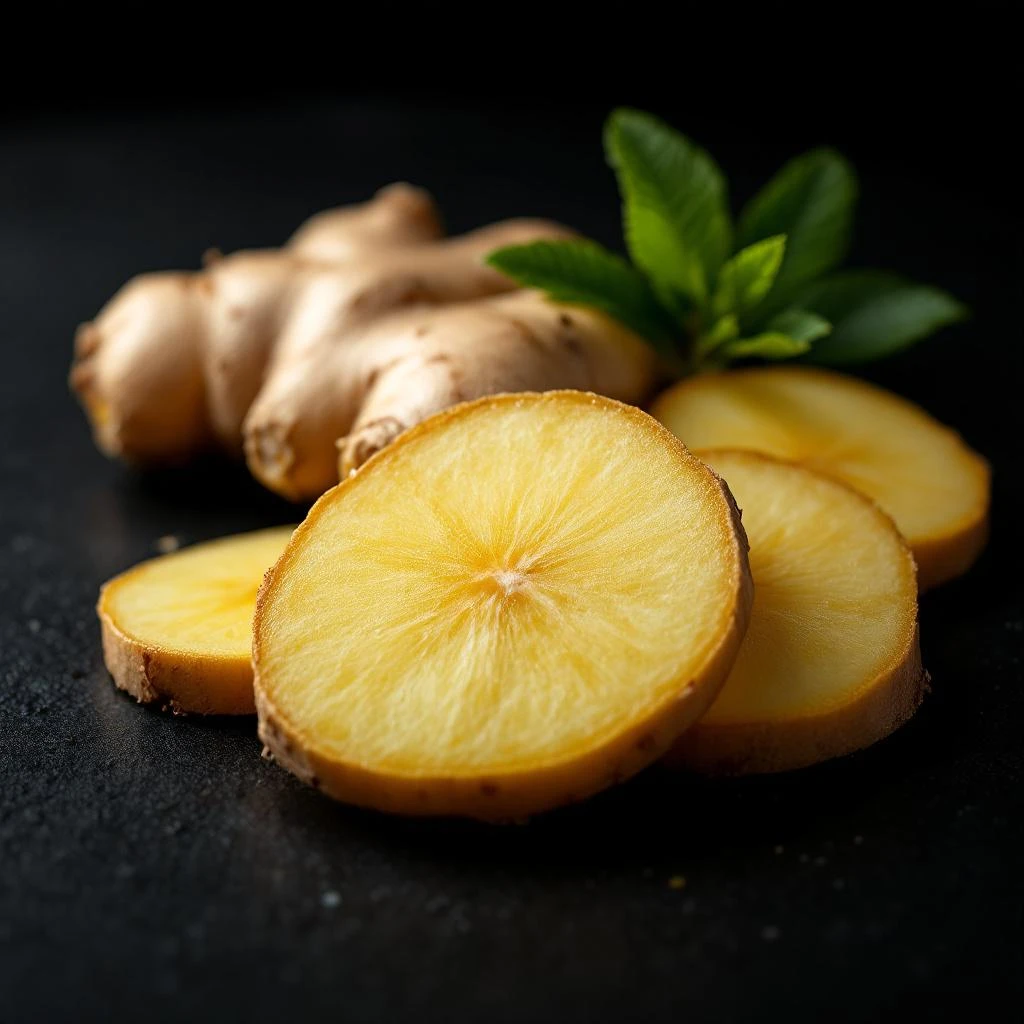
Aniseed Flower
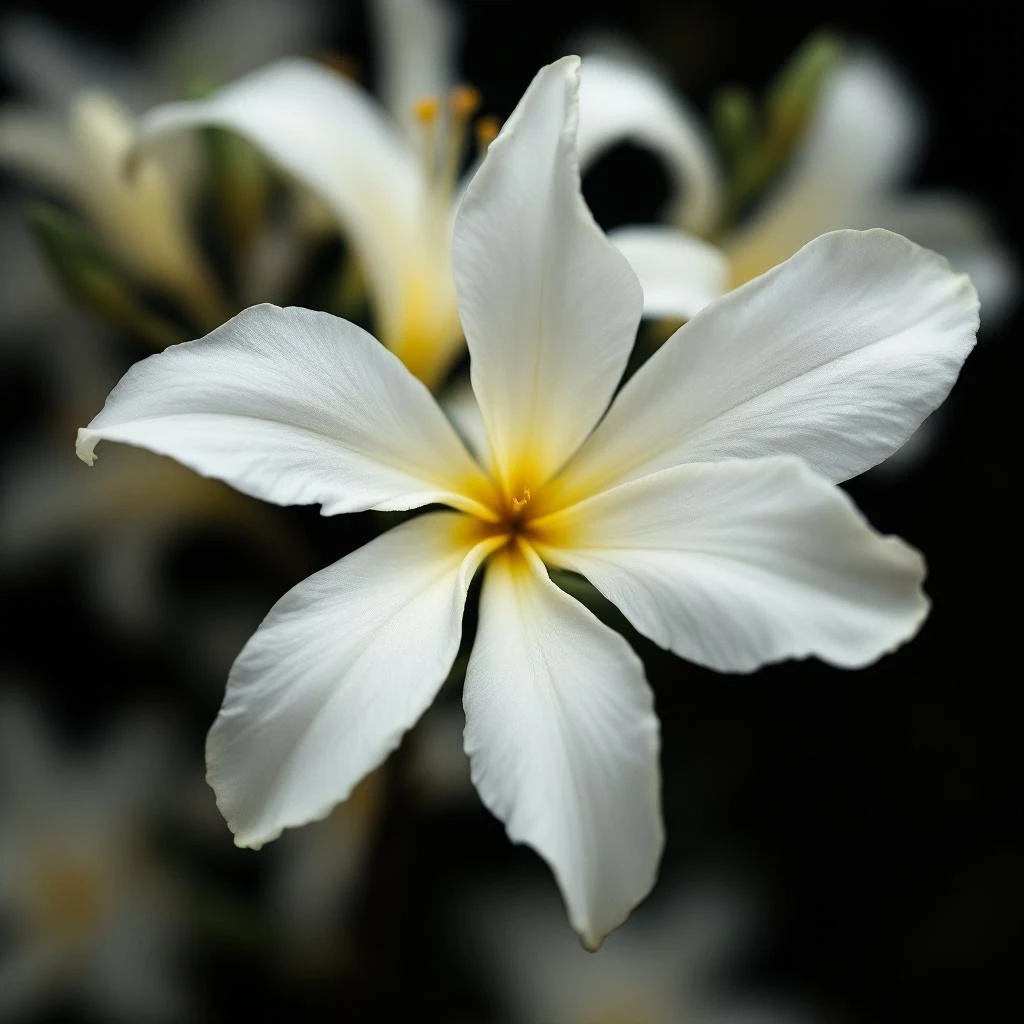
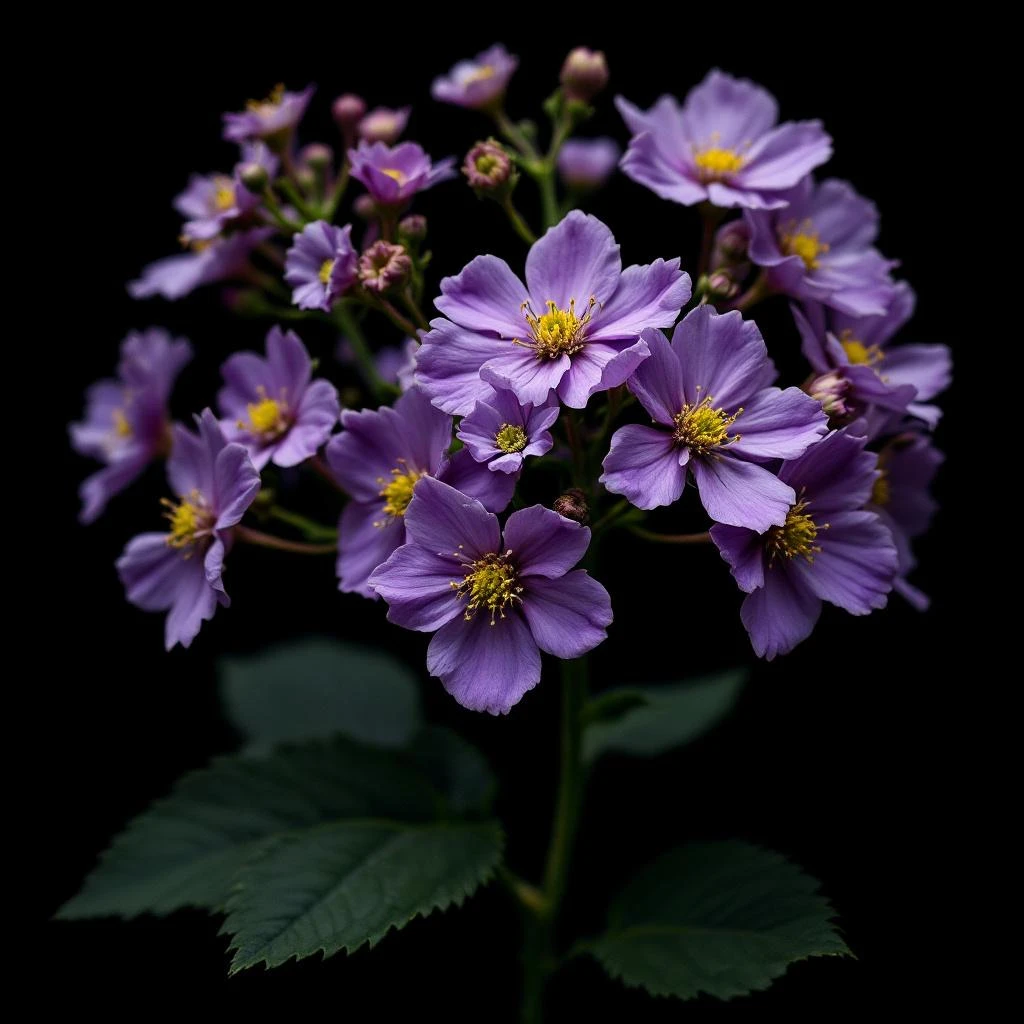
Aniseed flower brings a distinctive sweet, licorice-like aroma to perfumery. The plant's aromatic seeds and plant matter yield essential oil prized for its anethole-rich profile, creating warm, spicy character in fragrance compositions.
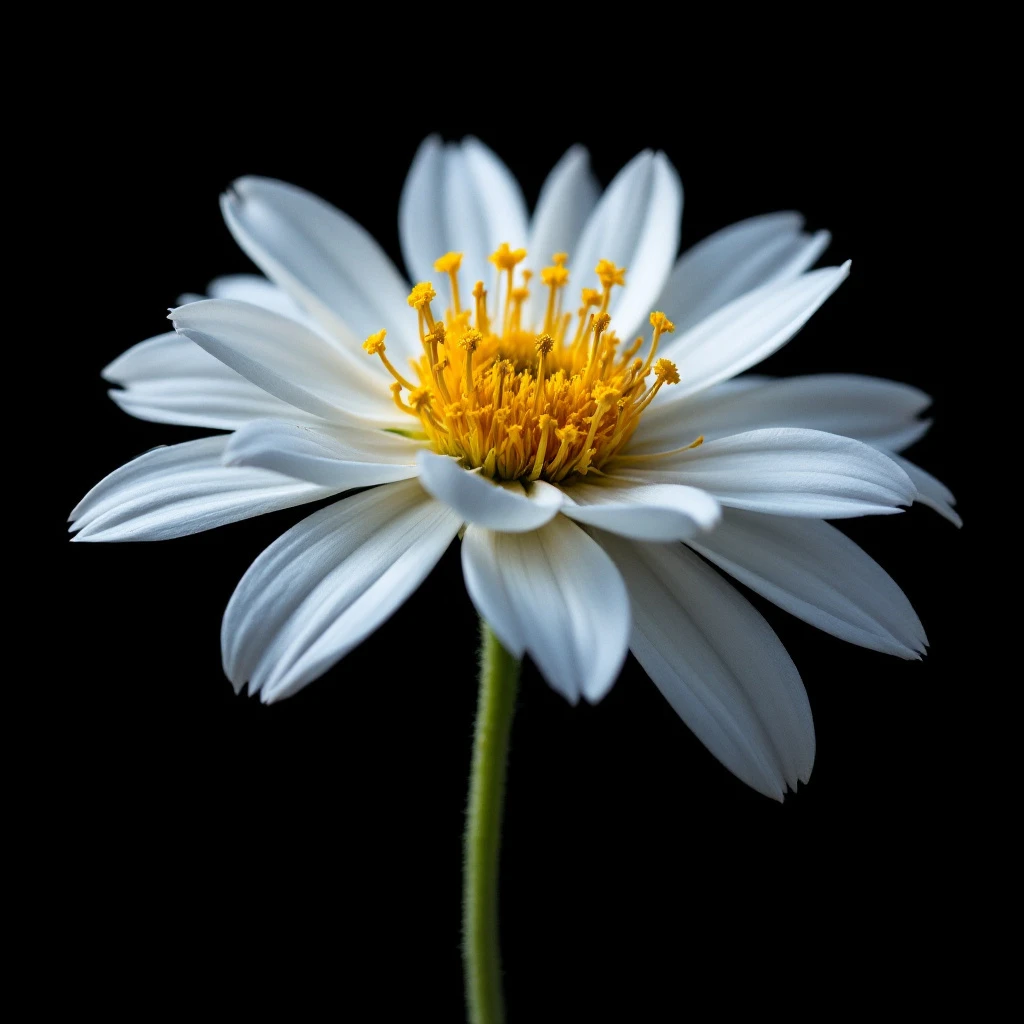
Character
How it smells
Sweet,Licorice-like warmth from Eastern Mediterranean
Anethole, the compound defining aniseed's signature scent, also occurs naturally in fennel and star anise, giving all three their characteristic licorice aroma.




Origin
Turkey
Aniseed flower traces its roots to the Eastern Mediterranean, where ancient Egyptians, Greeks, and Turks cultivated the plant for culinary, medicinal, and ceremonial purposes. Archaeological evidence from Mesopotamia and Egypt shows anise appeared in perfumes and remedies dating back thousands of years. Greek physicians documented its digestive properties, while Roman cooks used it in breads and sauces.
The plant spread along trade routes through the Middle East and into Asia, where it adapted to new climates and gained additional cultural significance. Modern perfumery inherited this botanical legacy, transforming a traditional folk remedy into a sophisticated fragrance ingredient valued for its warm, aromatic complexity.
Wears it best
Fragrances featuring Aniseed Flower
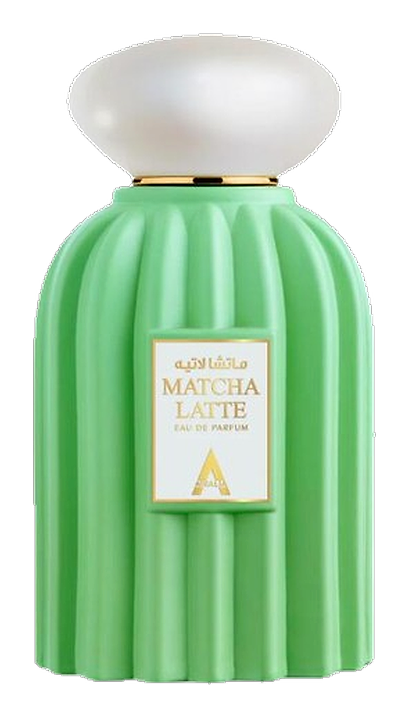
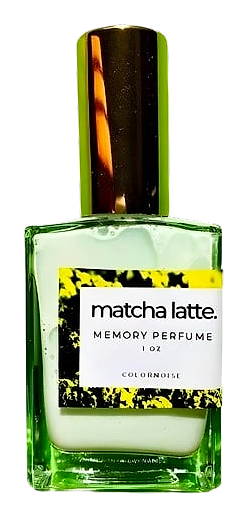
Brands
Brands known for Aniseed Flower
Good to know
Questions, answered
The essentials on Aniseed Flower in perfumery: how it smells, where it comes from, and how it behaves on skin.
What does aniseed flower smell like?
Aniseed flower offers a sweet, licorice-like aroma with warm, spicy undertones. The scent comes from anethole, which creates that characteristic black licorice impression. In perfumery, it adds aromatic depth that reads as both sweet and slightly sharp, bringing complexity to fragrance compositions.
Is aniseed flower used as a top or heart note?
Aniseed flower functions as both a top and heart note depending on the fragrance construction. As a top note, it provides an immediate aromatic burst that announces the fragrance. As a heart note, it contributes aromatic warmth that bridges top and base elements, extending the scent's character throughout its wear.
How is aniseed essential oil produced?
Producers obtain aniseed essential oil through steam distillation of the plant's dried seeds and aerial parts. The annual production of anise essential oil reaches several hundred tons globally, serving both fragrance and flavor industries. The oil yields a pale liquid with a pronounced sweet, spicy character prized in perfumery.
Where does aniseed flower originate?
Aniseed flower originated in the Eastern Mediterranean region, with records from Egypt, Greece, and Turkey. These ancient cultures all cultivated the plant for culinary, medicinal, and ceremonial purposes. Today, Turkey remains a significant producer, anchoring the ingredient's Mediterranean heritage in perfumery.
How long has aniseed been used in perfumery?
Aniseed has appeared in perfumes since ancient times, with evidence from Mesopotamia and Egypt dating back thousands of years. The ingredient transitioned from traditional folk medicine and culinary use into sophisticated fragrance formulations, maintaining its aromatic appeal across millennia of human use.
Is aniseed flower safe for skin use in fragrances?
Aniseed oil carries some regulatory restrictions in perfumery due to its anethole content, which may cause sensitization in certain individuals. IFRA guidelines regulate its concentration in consumer products. Qualified perfumers handle this ingredient carefully, balancing its aromatic appeal with skin safety considerations.
What fragrances pair well with aniseed flower?
Aniseed flower combines naturally with citrus oils, woody notes, and other spices like cardamom and cinnamon. Its sweet, aromatic character complements both fresh and warm fragrance constructions, making it versatile across masculine, feminine, and unisex perfume profiles.
What other names or forms of anise exist in perfumery?
Star anise, or badiane, comes from China and Vietnam and offers a similar anethole-driven aroma with a different botanical profile. While both contain anethole, they have distinct scent characteristics. Aniseed flower specifically refers to the Pimpinella anisum plant native to the Eastern Mediterranean.