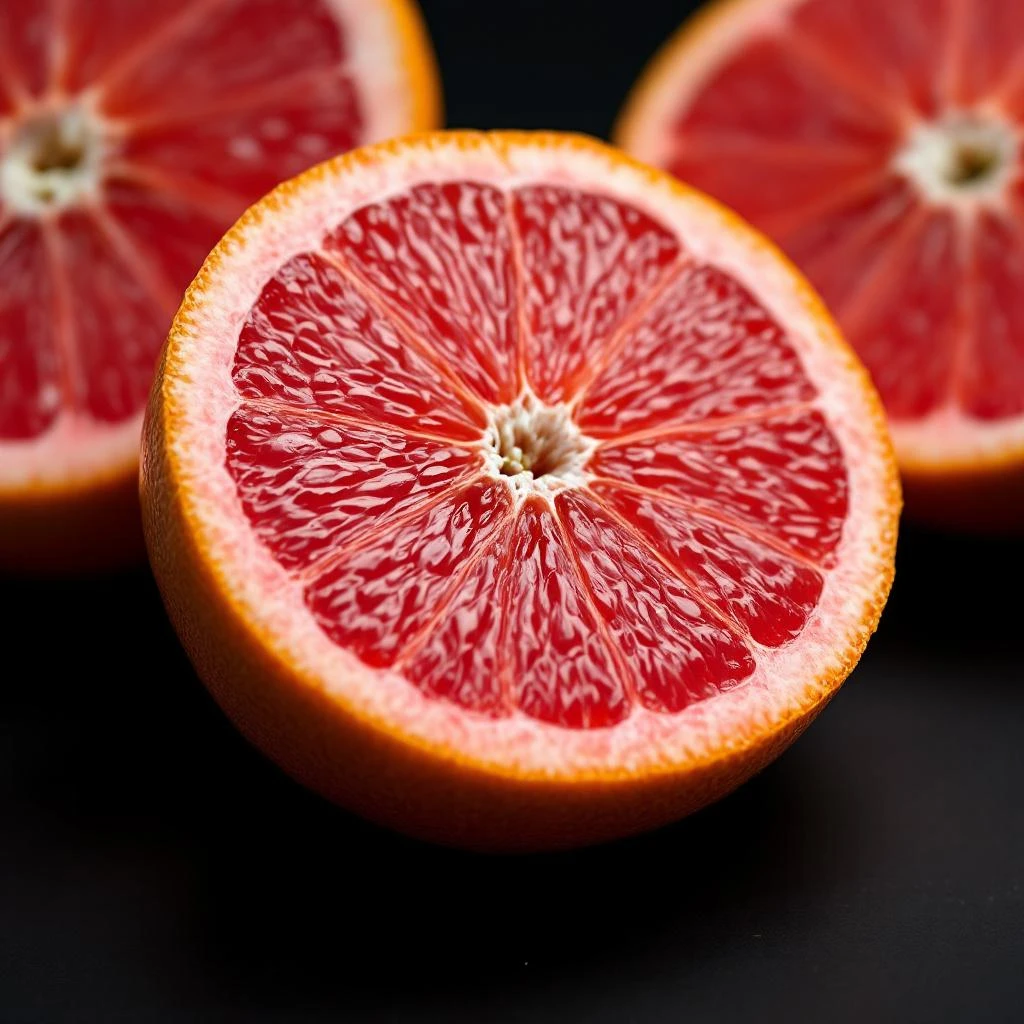
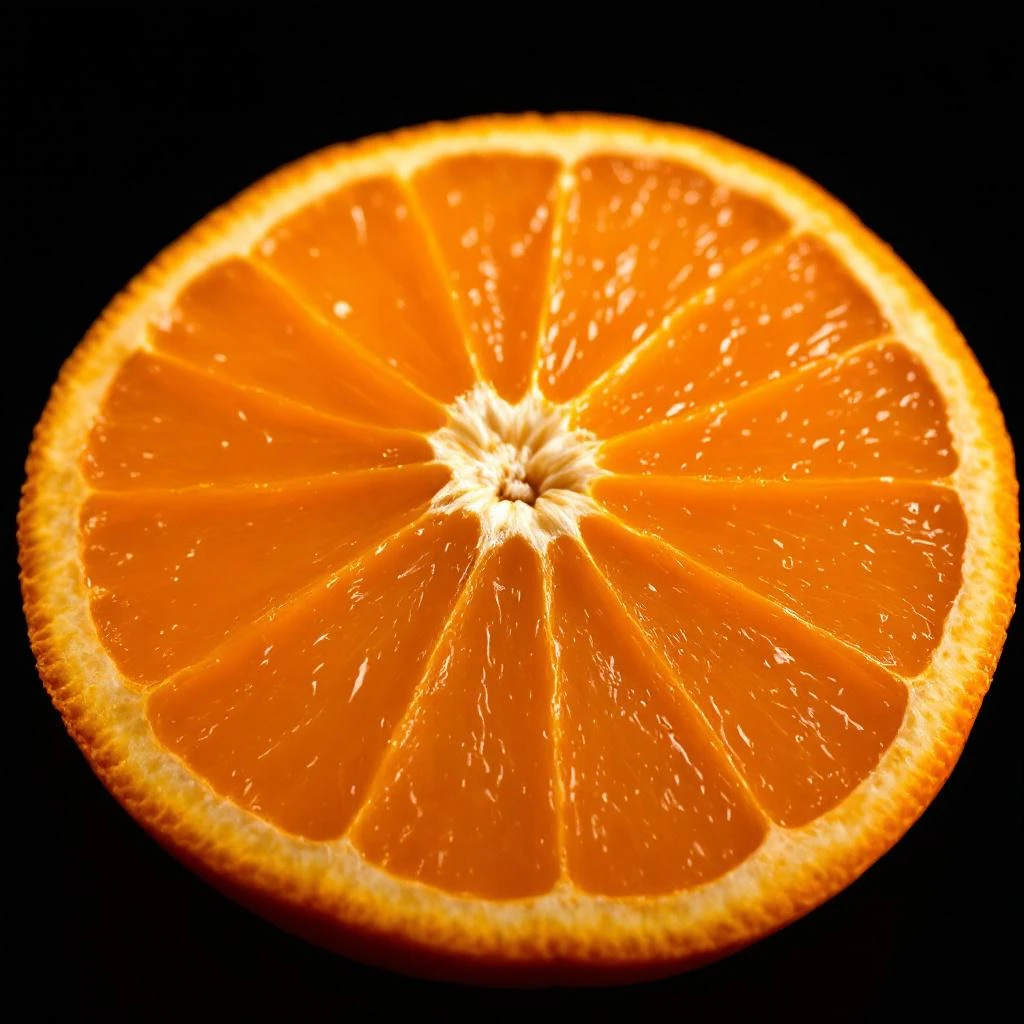
Andalusian Orange
Andalusian orange brings the sun-drenched groves of southern Spain to perfumery. Bitter orange blossoms and fruit from this Mediterranean region deliver the bright, floral freshness that defines countless iconic fragrances.
Character
How it smells
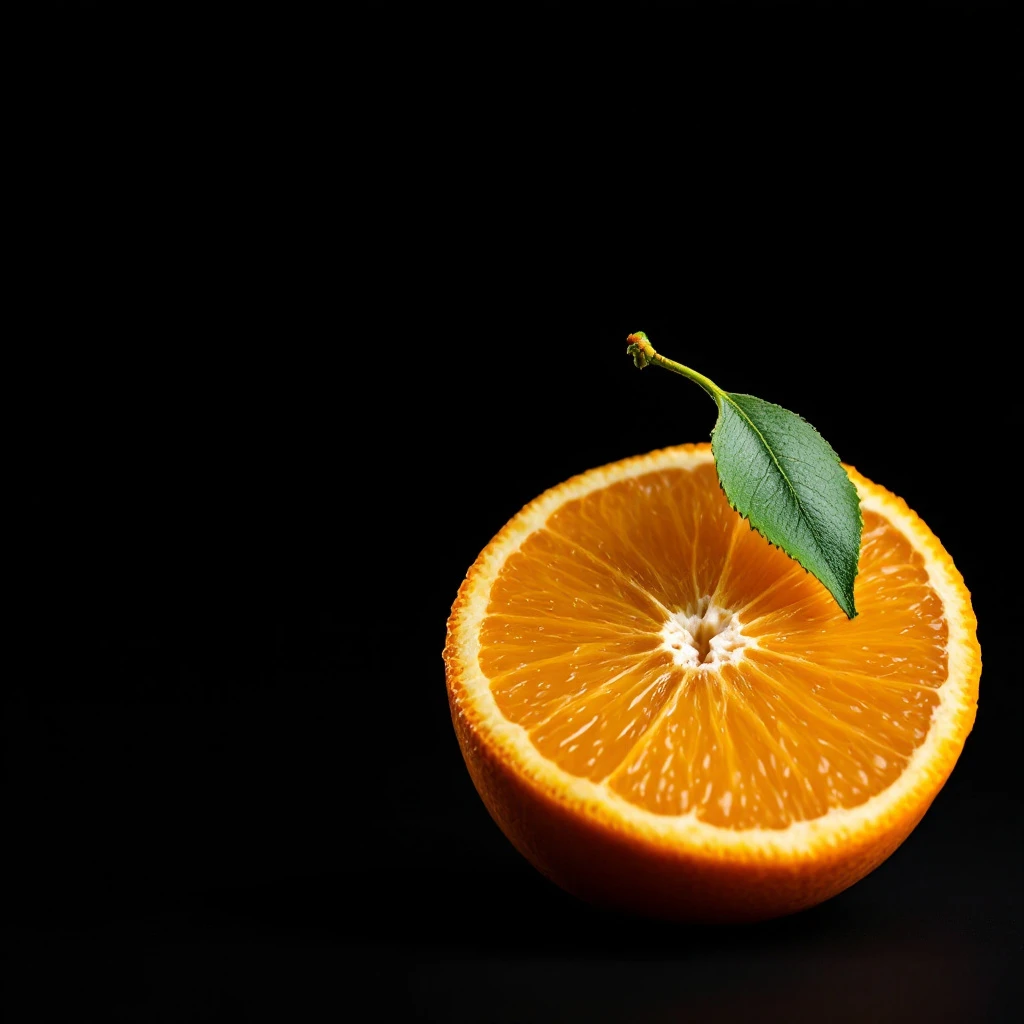
Mediterranean sunshine captured in scent.
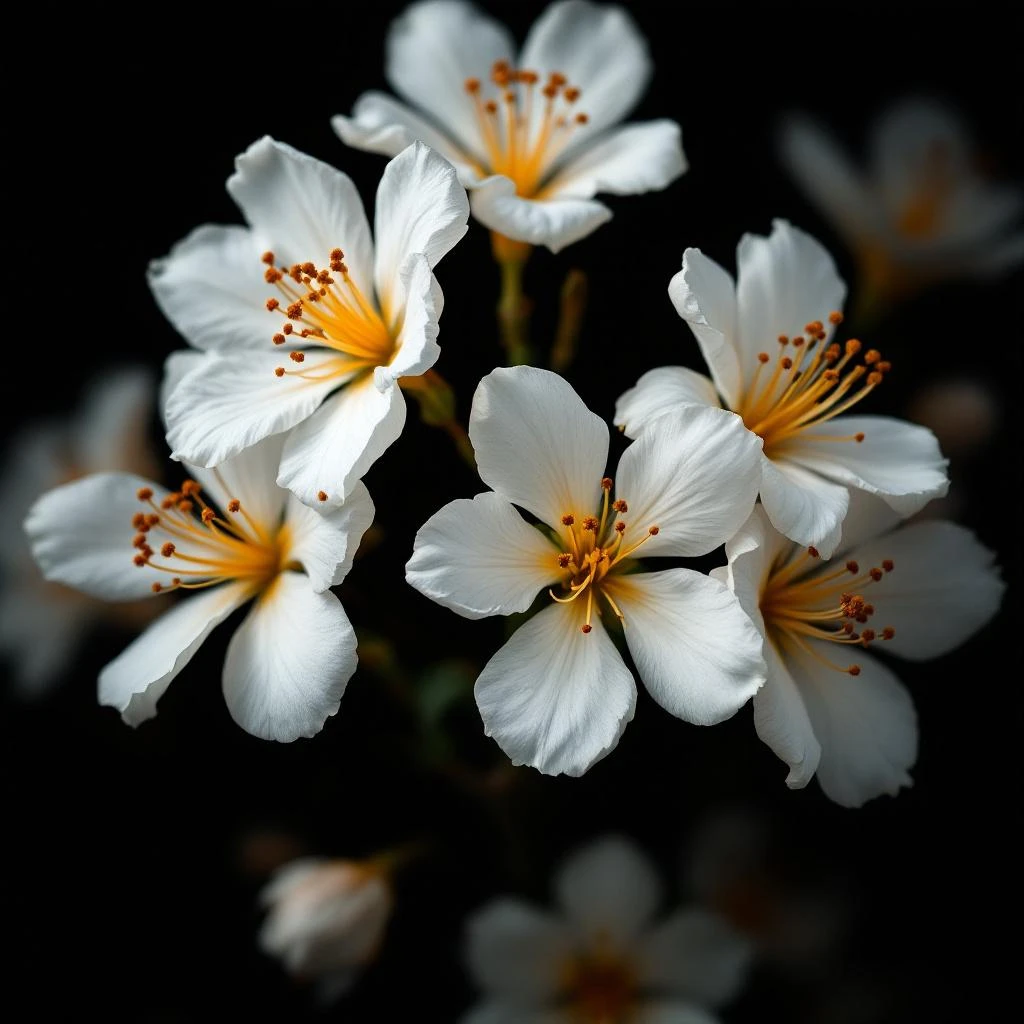
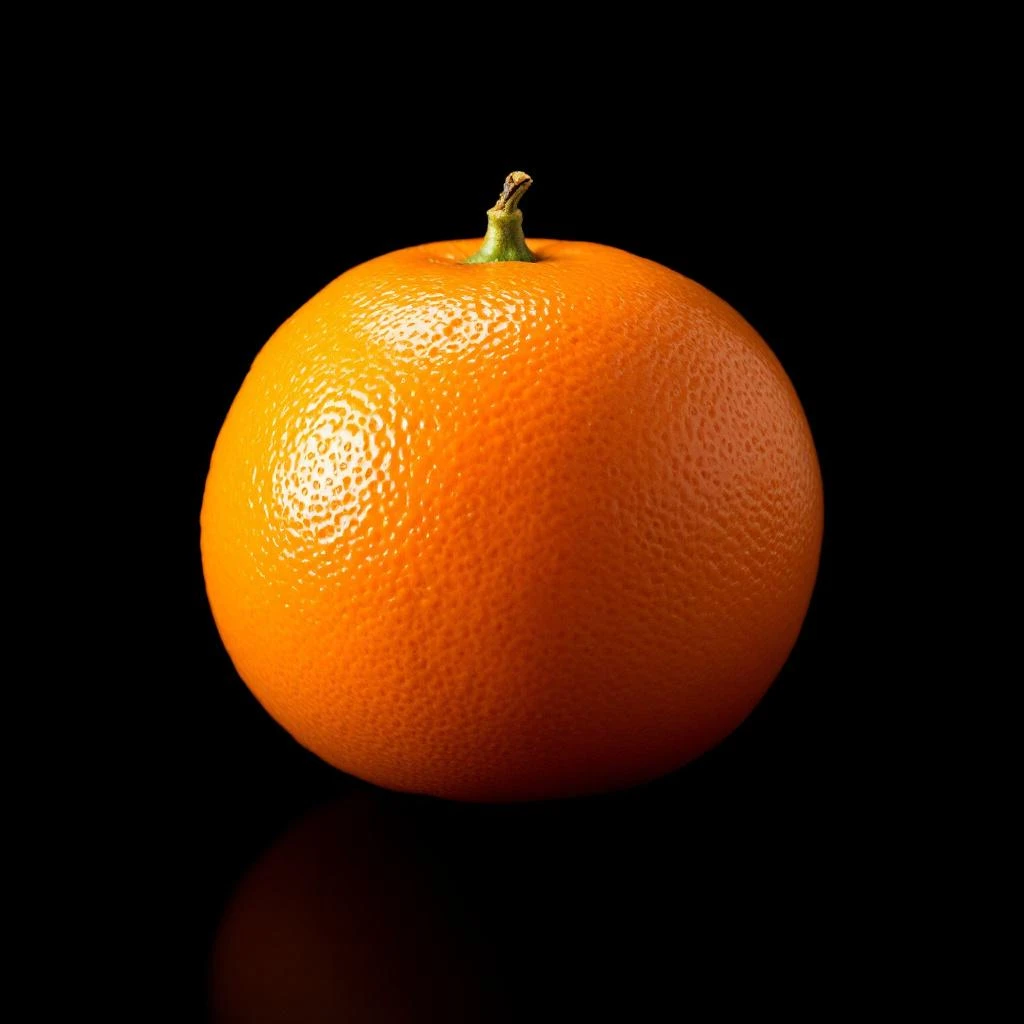
Seville bitter oranges differ from sweet oranges—Their flowers yield neroli and orange blossom absolute, while the peel produces a more complex, less sweet oil than commercial sweet orange.



Origin
Spain
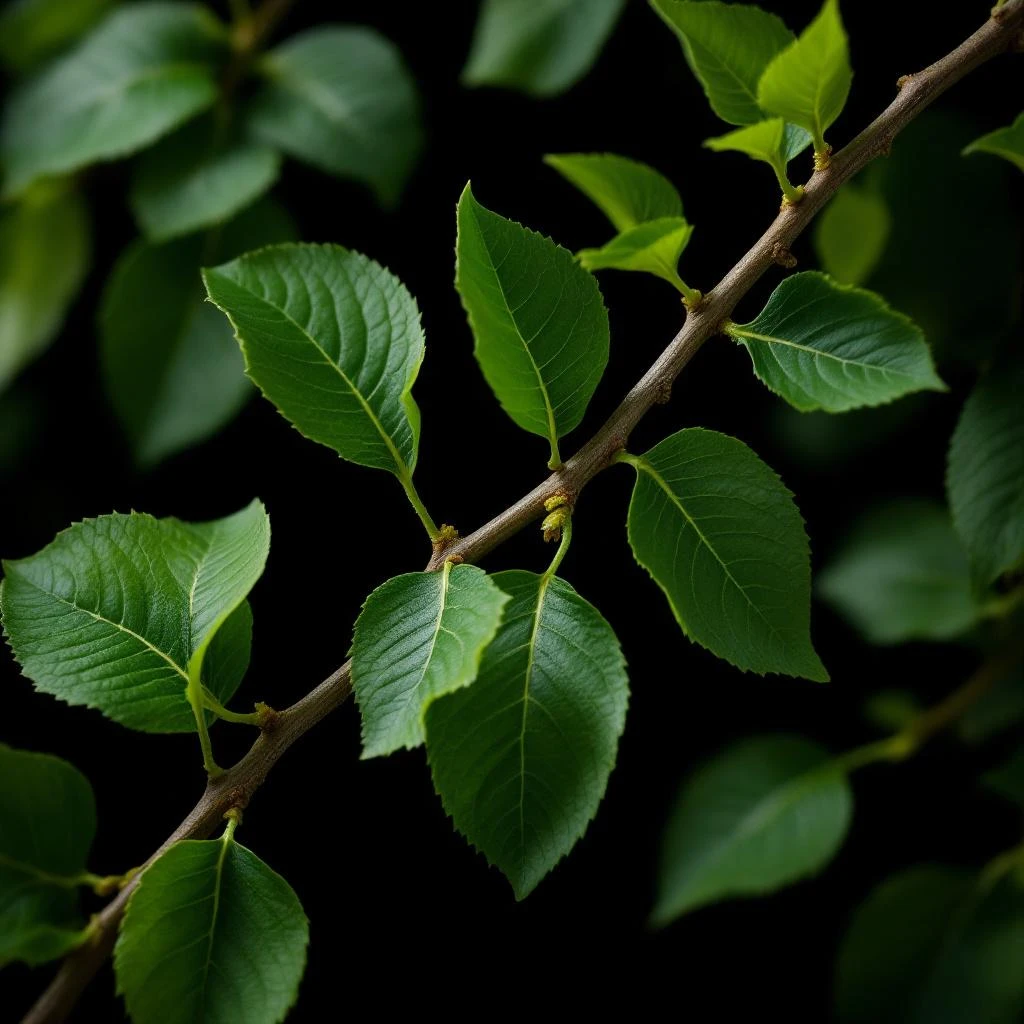
The Moors introduced bitter orange cultivation to Andalusia in the 8th century, and Seville became Europe's primary source for these trees. By the 18th century, Spanish orange blossom had become essential to Eau de Cologne makers in Cologne, Germany, who imported the precious flowers for neroli production.
The region's unique climate—hot summers and mild winters—produces oranges with intensely aromatic blossoms that perfumers prize. Spanish orange blossom absolute remains one of the most valued floral materials in modern perfumery, carrying centuries of Mediterranean fragrance tradition into contemporary formulations.
Wears it best
Fragrances featuring Andalusian Orange
Brands
Brands known for Andalusian Orange
Good to know
Questions, answered
The essentials on Andalusian Orange in perfumery: how it smells, where it comes from, and how it behaves on skin.
What does Andalusian orange blossom smell like?
It delivers a bright, intensely floral scent with citrus freshness and subtle honey undertones. Unlike tropical florals, it carries a clean, Mediterranean character with a distinctive bitter edge that adds depth.
How is Andalusian orange blossom extracted?
Producers extract orange blossom absolute using solvent extraction, which captures the full aromatic profile including heavier molecules that steam distillation might miss. Steam distillation of the flowers produces neroli oil, a lighter complementary material.
What is the difference between neroli and orange blossom absolute?
Neroli comes from steam distilling bitter orange flowers, yielding a fresh, citrusy oil. Orange blossom absolute uses solvent extraction, producing a richer, more concentrated material with deeper honey and indolic notes. Perfumers often use both together.
Why is Andalusian orange blossom considered premium?
Andalusia's climate produces bitter orange trees with exceptionally aromatic blossoms. Spanish producers have refined extraction techniques over generations, and the region's flowers contain higher concentrations of aromatic compounds than many other growing regions.
What fragrances feature Andalusian orange blossom?
Orange blossom absolute appears across many fragrance families, from fresh colognes to rich florals. It pairs naturally with citrus, white florals, and woody base notes, lending bright opening notes or serving as a heart material.
What parts of the bitter orange tree does perfumery use?
Perfumery harvests three materials from the bitter orange: flowers yield orange blossom absolute and neroli oil, the peel produces bitter orange oil, and leaves and twigs through steam distillation yield petitgrain oil. Each material offers a distinct aromatic profile.
Is Andalusian orange blossom natural or synthetic?
Both natural and synthetic options exist. Natural Andalusian orange blossom absolute and neroli come from solvent extraction or steam distillation of bitter orange flowers. Synthetic alternatives can replicate certain aromatic molecules but rarely capture the full complexity of natural extracts.
How does Andalusian bitter orange differ from sweet orange?
Bitter orange (Citrus aurantium) produces more aromatic blossoms with complex, slightly bitter qualities. Sweet orange (Citrus sinensis) focuses on edible fruit with milder peel oil. Perfumers prefer bitter orange for its superior floral yield and more nuanced aromatic profile.