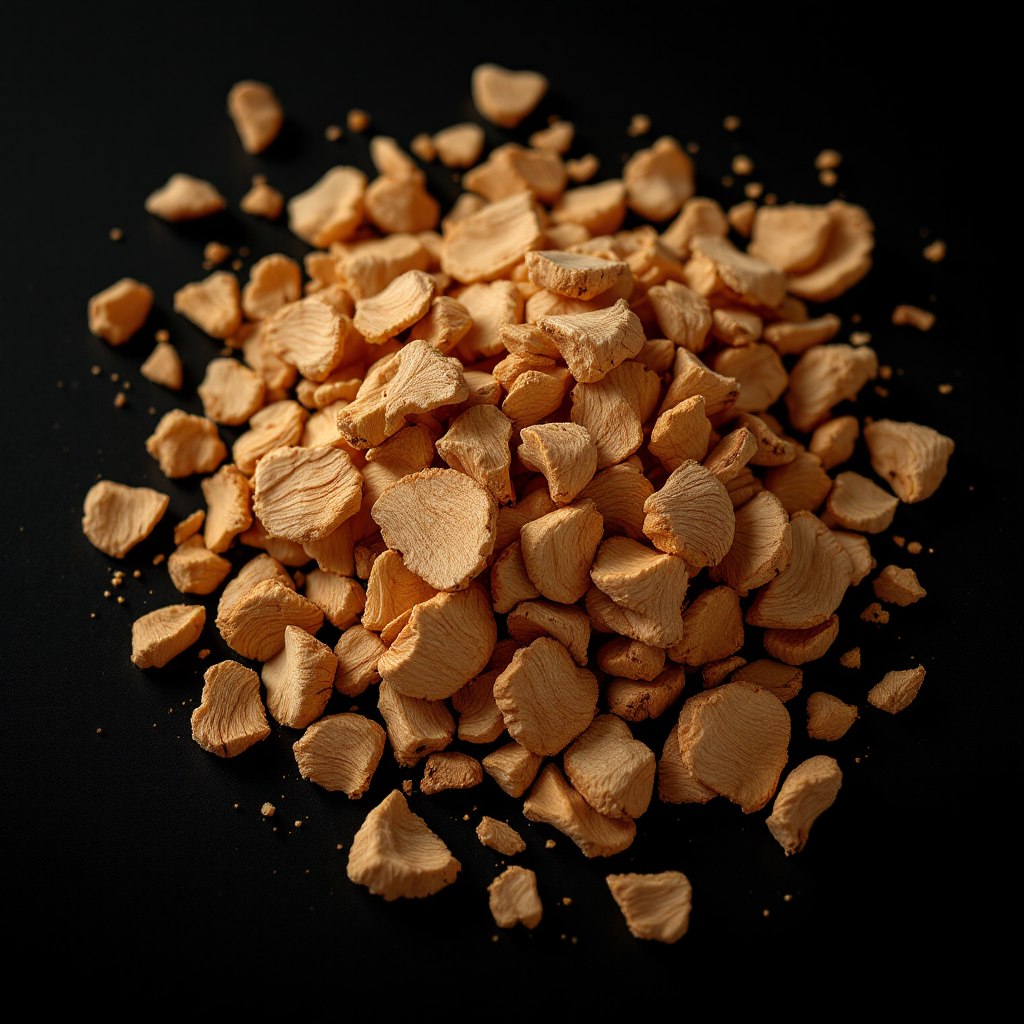
Amburana Wood
A treasured South American wood with a warm, sweet aroma reminiscent of vanilla and tonka. Native to Brazil's dry forests, Amburana delivers soft coumarin richness that brings depth and comfort to fragrance compositions.
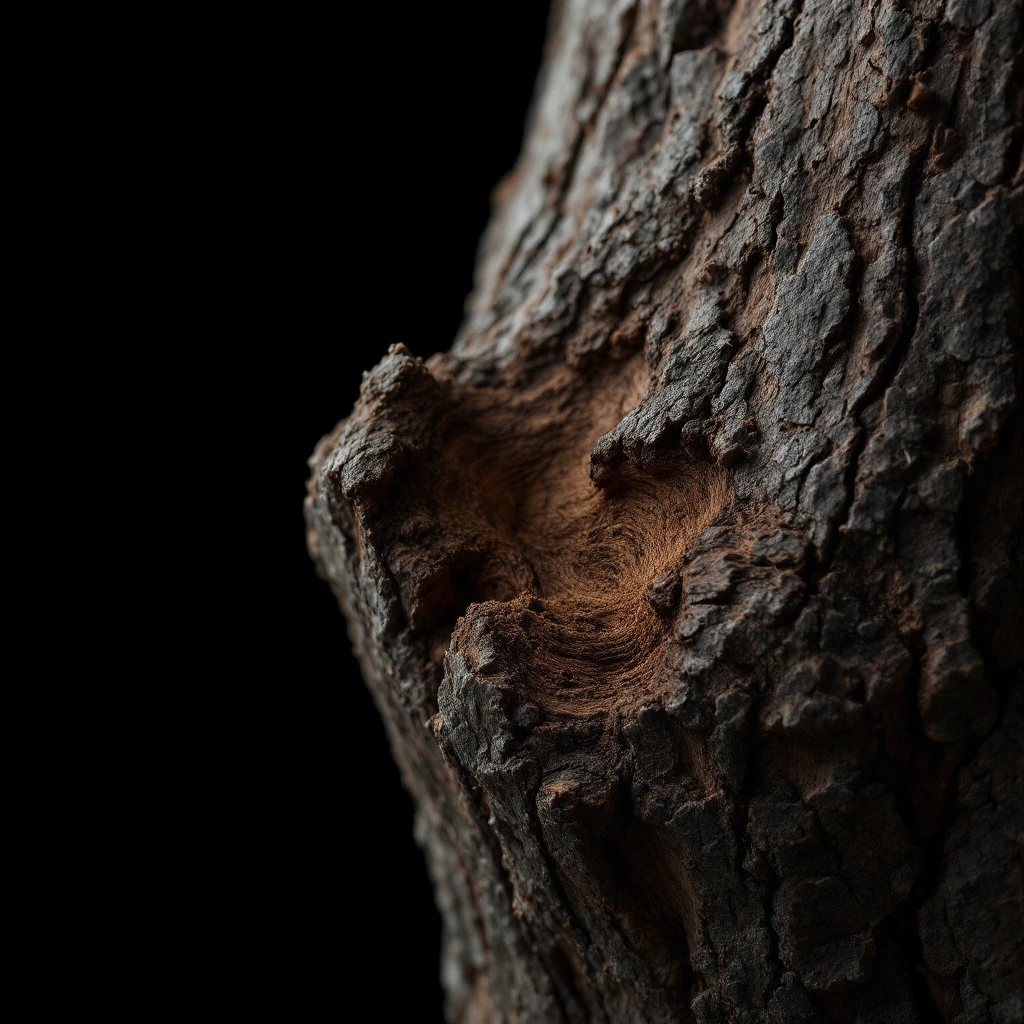
Character
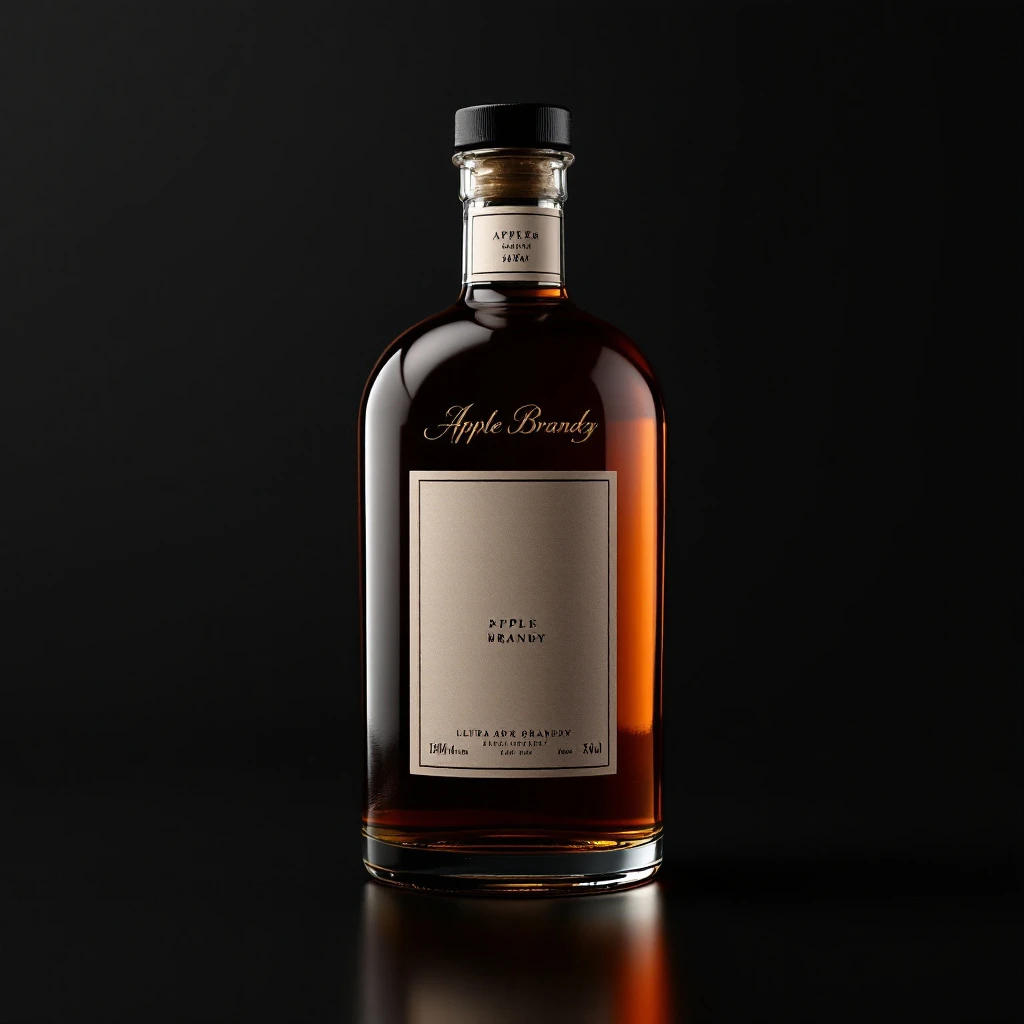
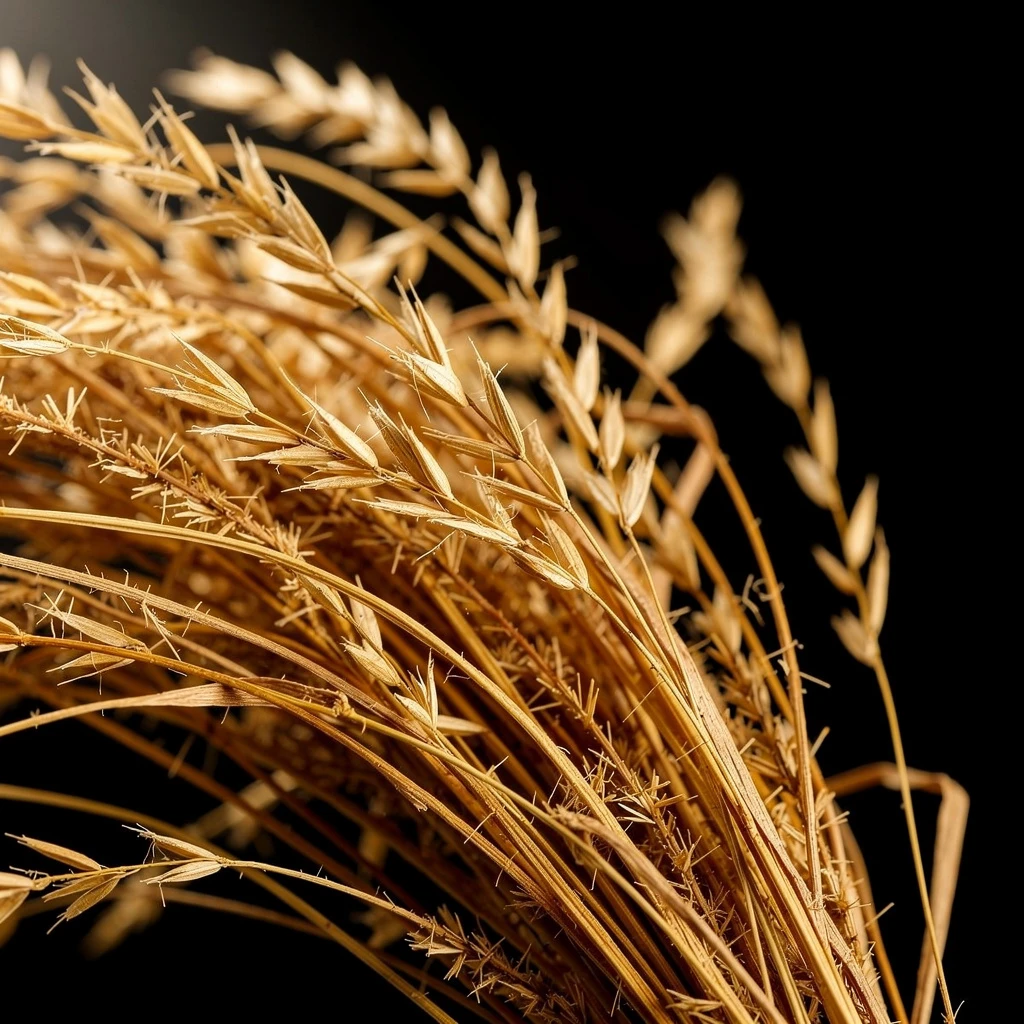
How it smells
South America's vanilla-tonae wood warmth
The tree's Portuguese nickname 'cumaru' comes from the indigenous Tupi-Guarani word for 'fragrant wood,' reflecting centuries of cultural recognition.

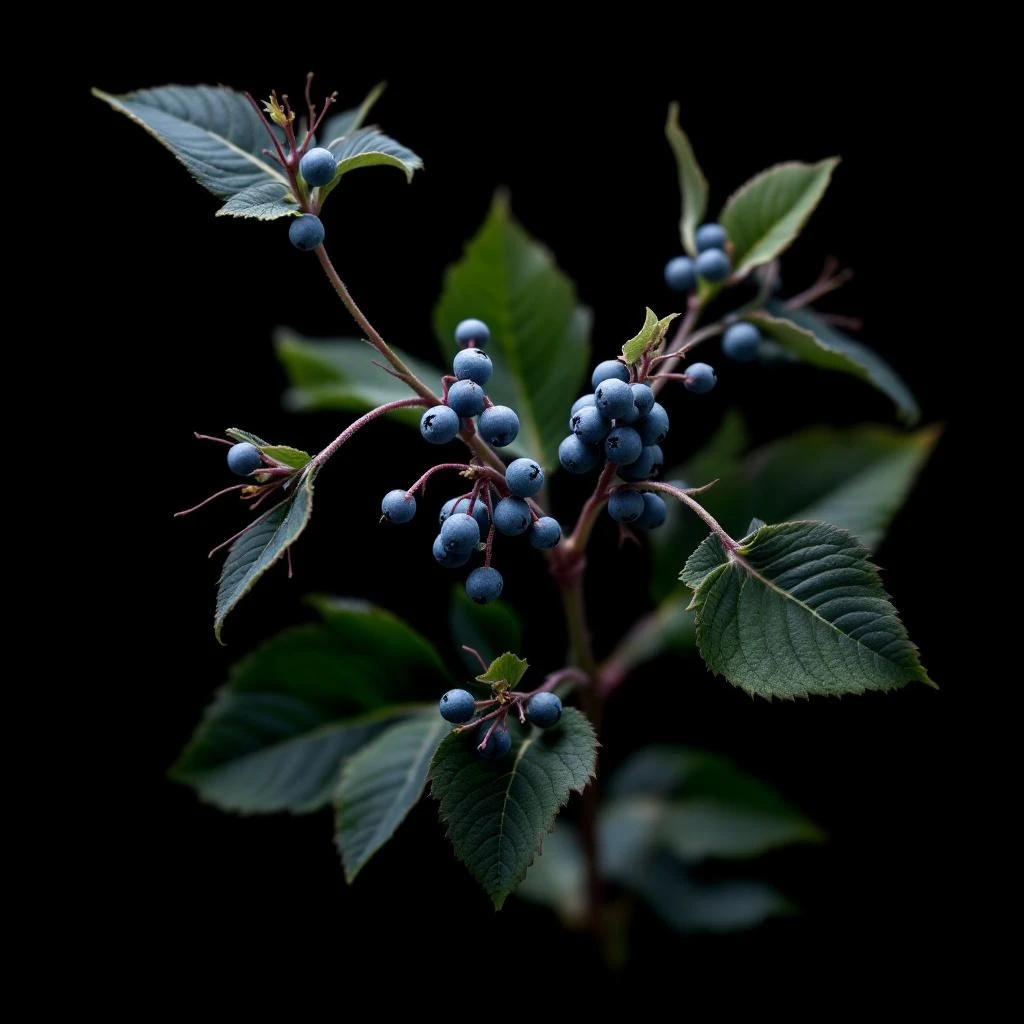



Origin
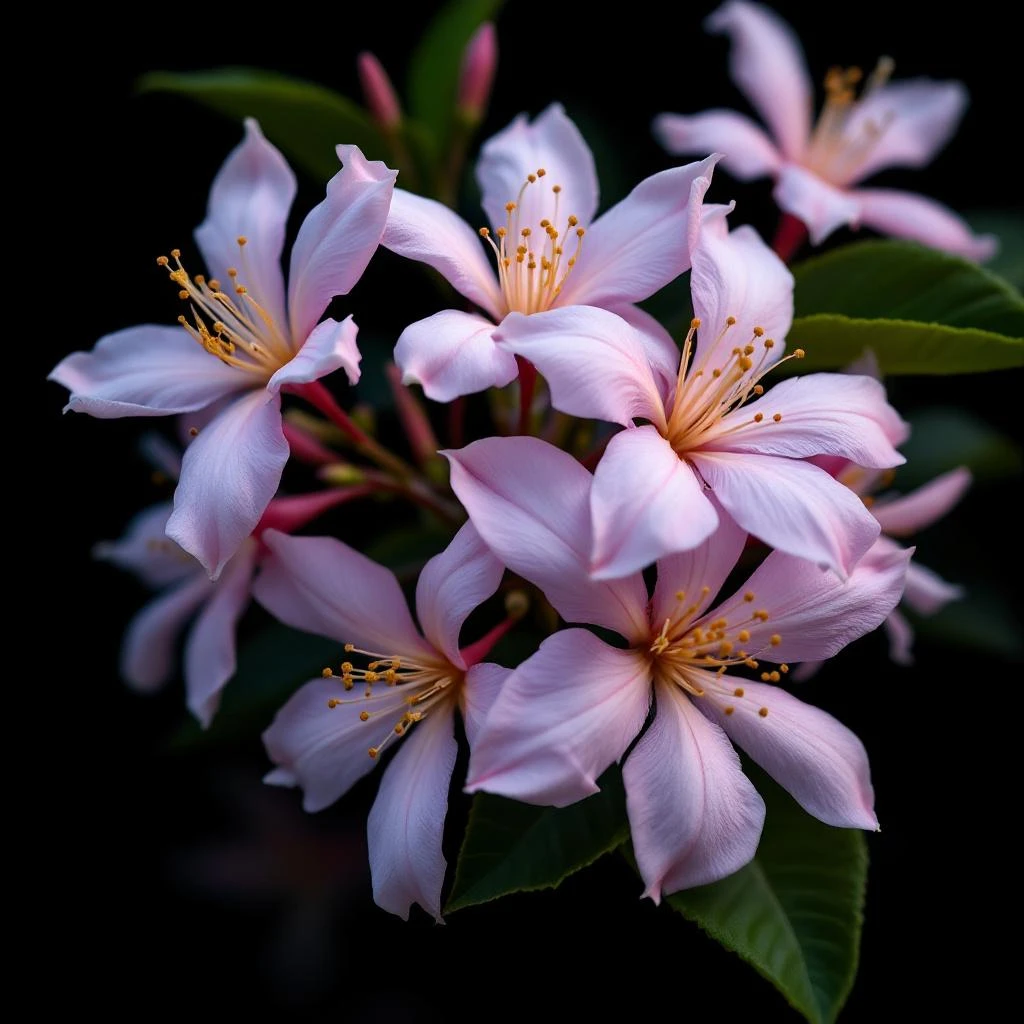
Brazil
Amburana cearensis earned its botanical name from the northeastern Brazilian state of Ceará, where the tree has grown for millennia. Indigenous communities of the Caatinga region used the aromatic wood in ceremonial bundles and medicinal preparations long before European contact. Colonial-era Brazilian pharmacists documented the wood's vanilla-like scent in 18th-century formularies, prescribing it for respiratory ailments.
The fragrance industry adopted Amburana in the early 20th century as a natural alternative to synthetic coumarin, finding its complexity superior in warm, comforting compositions. Today, Brazilian artisans continue traditional uses, crafting aromatic sachets and incense from wild-harvested wood, preserving ancestral knowledge while serving modern perfumery.
Wears it best
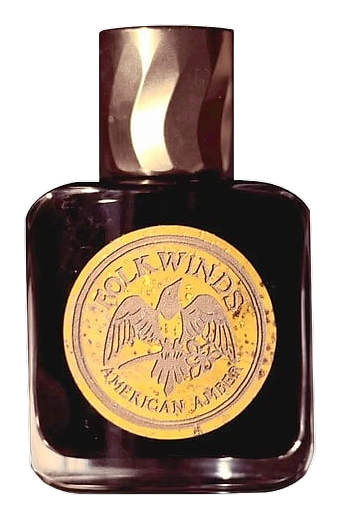
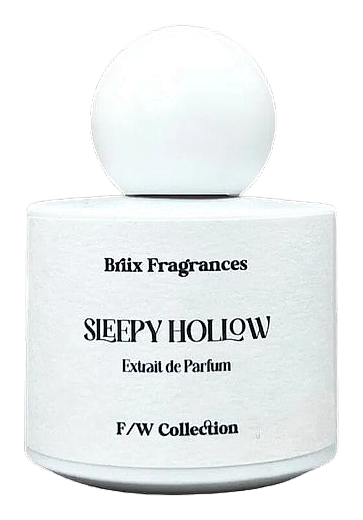
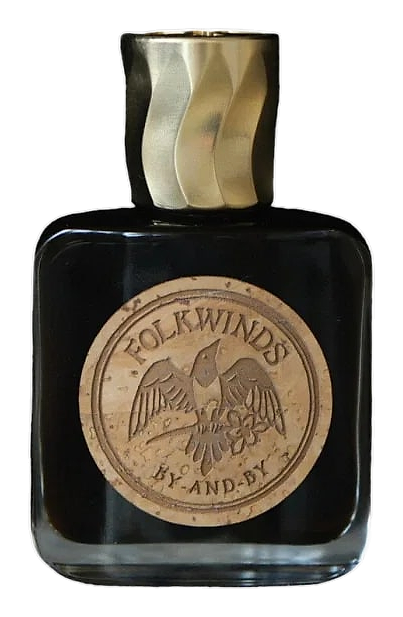
Fragrances featuring Amburana Wood

Brands
Brands known for Amburana Wood
Good to know
Questions, answered
The essentials on Amburana Wood in perfumery: how it smells, where it comes from, and how it behaves on skin.
What does Amburana wood smell like?
Amburana carries a warm, sweet scent often compared to vanilla and tonka bean. It features soft coumarin warmth with subtle nutty and caramel undertones, creating a cozy, comforting olfactory impression.
Is Amburana wood natural or synthetic?
Amburana is a completely natural ingredient sourced from the Amburana cearensis tree native to northeastern Brazil. Perfumers value it as a natural coumarin source, avoiding synthetic alternatives.
What fragrance families use Amburana wood?
Amburana appears most often in Oriental, Gourmand, and Woody fragrance families. Its vanilla-like warmth makes it especially effective in amber and woody compositions seeking natural sweetness.
How long has Amburana been used in perfumery?
The fragrance industry adopted Amburana in the early 20th century as a natural substitute for synthetic coumarin, though indigenous Brazilian communities used the aromatic wood for centuries before that.
Does Amburana wood contain coumarin?
Yes, Amburana heartwood contains natural coumarin compounds responsible for its characteristic sweet, hay-like aroma. Coumarin contributes to the ingredient's excellent fixative properties.
Where does Amburana wood grow?
Amburana cearensis grows primarily in Brazil's Caatinga region, a semi-arid zone spanning northeastern states including Ceará, Pernambuco, and Bahia. The tree thrives in drought-resistant conditions.
Is Amburana wood harvested sustainably?
Regulated harvesting in Brazil requires replanting programs to maintain Amburana populations. Sustainable practices include selective felling and cultivation of plantation-grown trees to protect wild populations.
What extraction method produces Amburana fragrance material?
Steam distillation of dried heartwood chips yields Amburana's aromatic material. The process takes 8 to 12 hours, producing a pale absolute with strong substantivity for lasting fragrance impact.