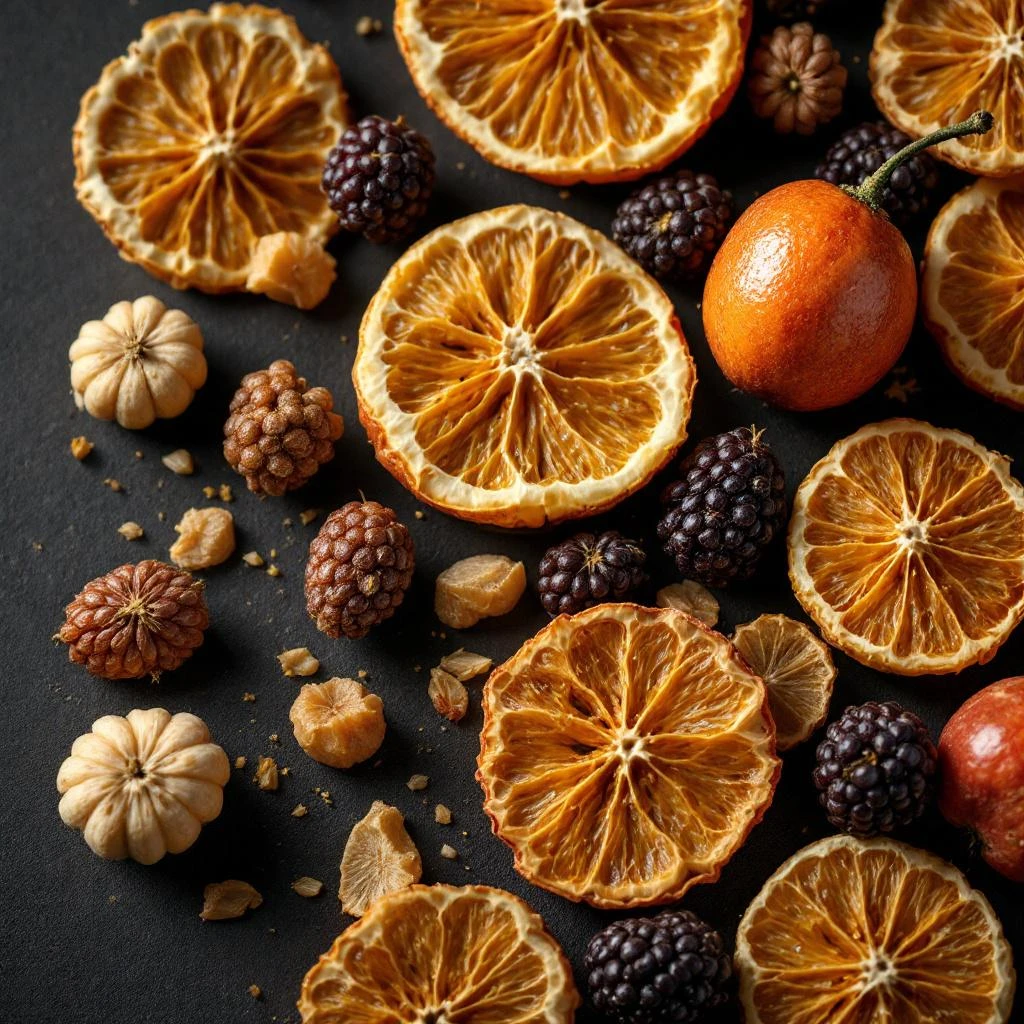
Agave Nectar
Agave nectar brings a warm, syrupy sweetness to fragrance compositions, evoking sun-dried fields and centuries of Mexican tradition.
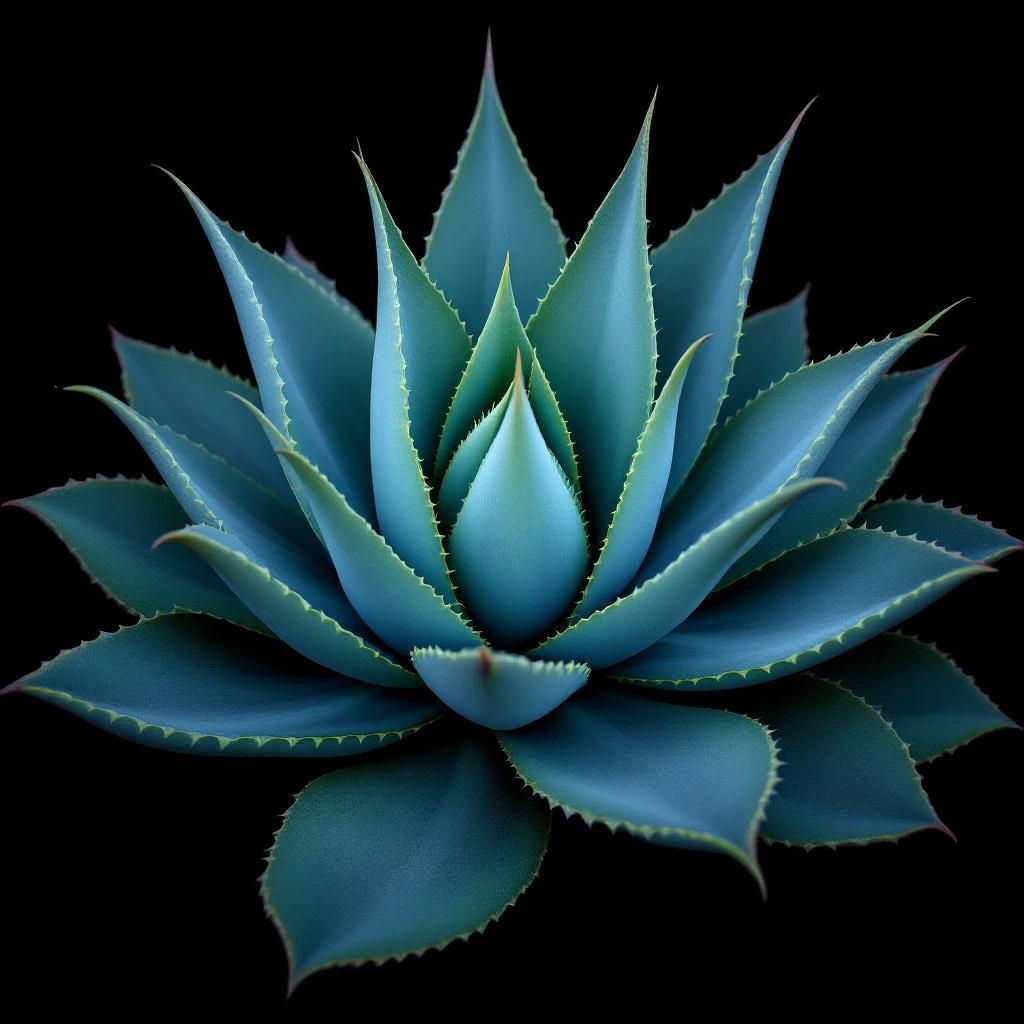
Character
How it smells
Sweet nectar from desert hearts.
Ancient Mexican peoples called agave nectar "honey water" and used it to sweeten foods and beverages for centuries before it entered perfumery.

Origin
Mexico
Indigenous peoples of Mexico and the Americas cultivated agave for millennia before European contact. Aztecs and other civilizations prized the plant for its versatility, weaving its fibers into textiles, fermenting its sap into pulque, and reducing its nectar into a syrup they called "honey water." Spanish colonizers documented these practices in the 16th century.
Commercial agave syrup production began in the 1970s when a product marketed as "nekutli" debuted at the University of Guadalajara in Jalisco. Fragrance houses adopted agave-inspired aroma materials around the same period, drawn to its warm sweetness as an alternative to honey and caramel notes.
Wears it best
Fragrances featuring Agave Nectar
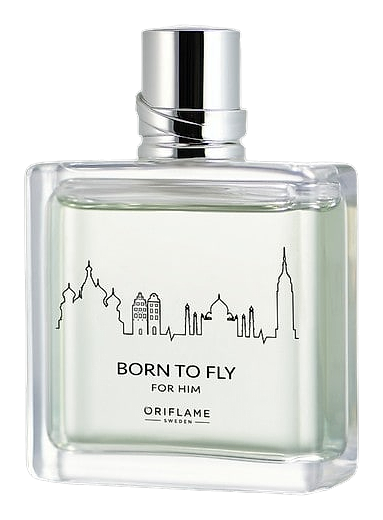

Brands
Brands known for Agave Nectar
Good to know
Questions, answered
The essentials on Agave Nectar in perfumery: how it smells, where it comes from, and how it behaves on skin.
Is agave nectar used as a natural extract in perfume?
No. Agave nectar is primarily a food product with minimal aromatic intensity for perfumery. Fragrance houses use synthetic aroma materials that replicate agave's sweet, honeyed character.
What does agave smell like in fragrance?
Agave-inspired materials in perfume evoke warm sweetness with subtle honey and light smoky undertones, similar to sun-dried caramel or warm amber.
Which agave species produces nectar for commercial use?
Agave tequilana (blue agave, the same species used for tequila) and Agave salmiana are the primary species harvested for nectar production in Mexico.
How is agave nectar harvested?
Producers extract nectar from the piña, the large bulbous heart of the agave plant, by crushing and filtering the core after the leaves are removed.
Why is agave popular in modern perfumery?
Agave's warm, syrupy sweetness works well in gourmand and amber fragrance families, offering a natural, plant-based sweetness that appeals to consumers seeking botanical-labeled ingredients.
Where does most agave nectar come from today?
Mexico remains the largest producer, particularly the state of Jalisco. South Africa has emerged as a secondary production region for global markets.
Does agave share a cultural history with mezcal?
Yes. Both derive from agave plants native to Mexico's volcanic soils, and mezcal production involves roasting the piñas in underground pits, which gives the spirit its characteristic smoky note that agave itself does not carry.
Can agave nectar be distilled into an essential oil?
No commercially viable essential oil exists from agave. The nectar's low aromatic intensity makes steam distillation impractical, which is why perfumers rely on lab-created aroma compounds.