Tequila
Tequila captures the bright, agave‑born spirit of Mexico, delivering a crisp, vegetal edge that brightens modern compositions.
Character
How it smells
Agave fire in a bottle.
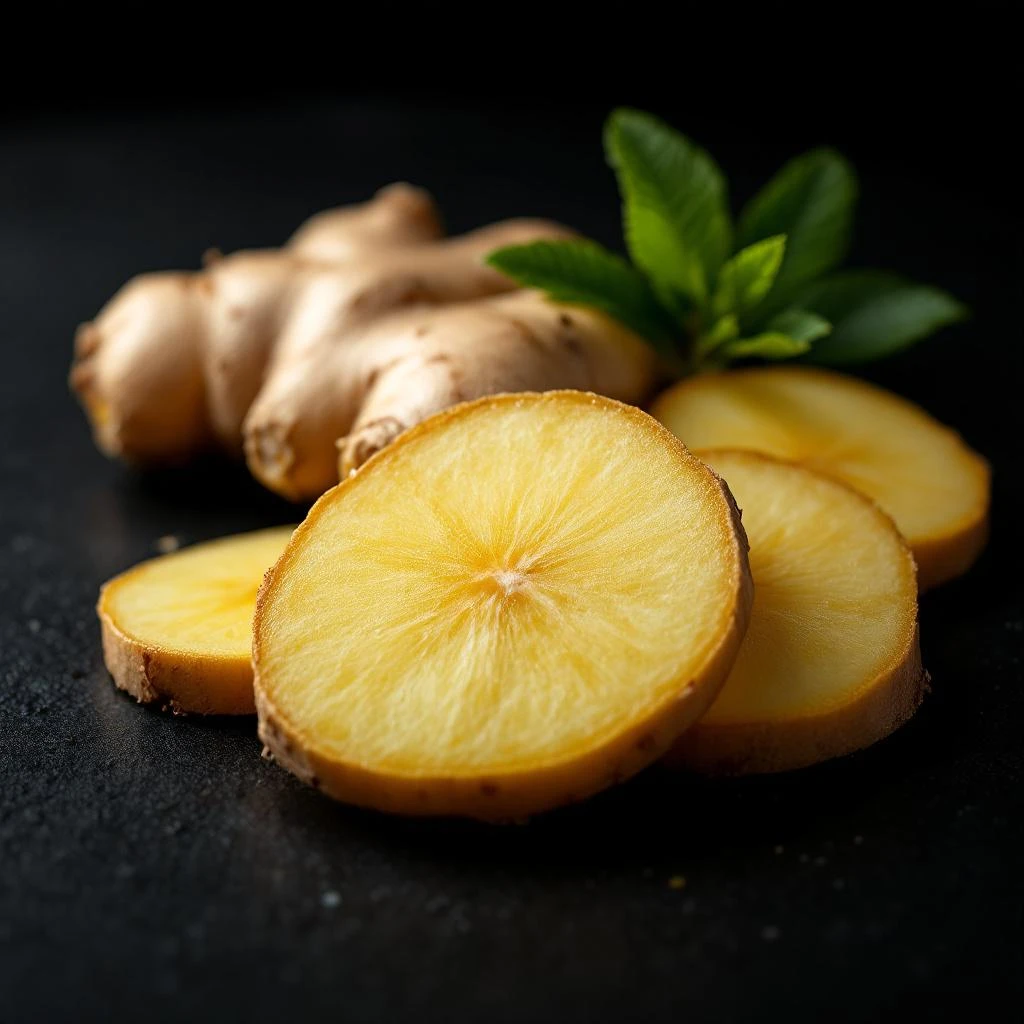
The aroma of tequila in perfume often comes from the same volatile compounds found in fresh blue agave, and a single batch can yield enough essence for dozens of niche scents.





Origin
Mexico
Tequila traces its roots to the ancient peoples of central Mexico, who fermented the sap of the agave plant long before the Spanish arrived. The spirit emerged in the 16th century when colonial distillers applied Arab distillation techniques to the fermented agave mash, creating a clear, high‑proof liquor. By the 1800s, tequila became a symbol of Mexican identity, celebrated in songs, festivals, and the iconic image of the charro.
The Mexican government granted it a protected designation of origin in 1974, limiting production to specific regions of Jalisco, including the town of Tequila. This legal status preserved traditional methods while encouraging artisanal innovation. In the late 20th century, perfume houses began extracting the agave’s bright green notes, recognizing that the spirit’s vegetal and caramelized facets could add a modern edge to fragrance compositions.
Today, the tequila note bridges cultural heritage and contemporary scent design, offering a glimpse of Mexico’s agricultural legacy within a bottle.
Wears it best
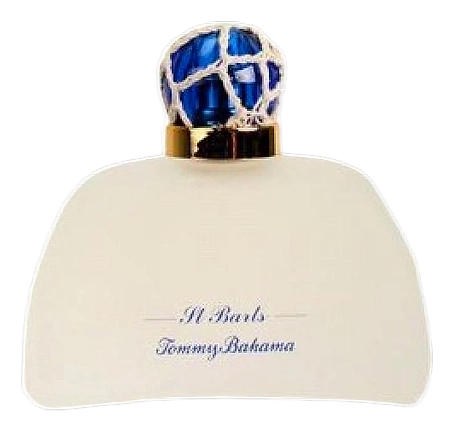
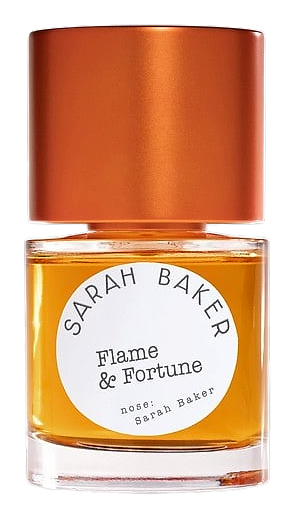
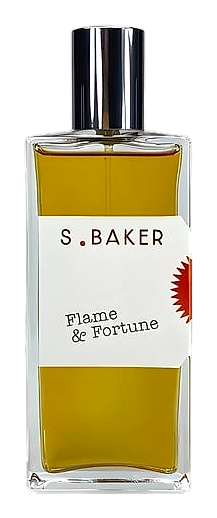
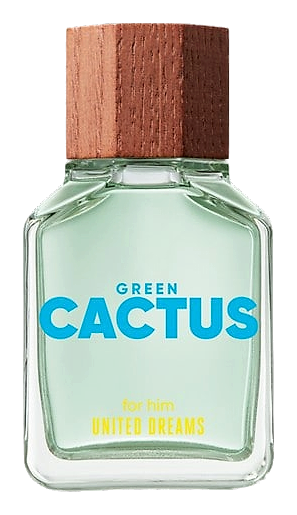
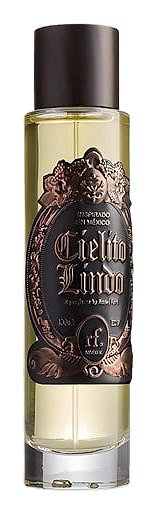
Fragrances featuring Tequila
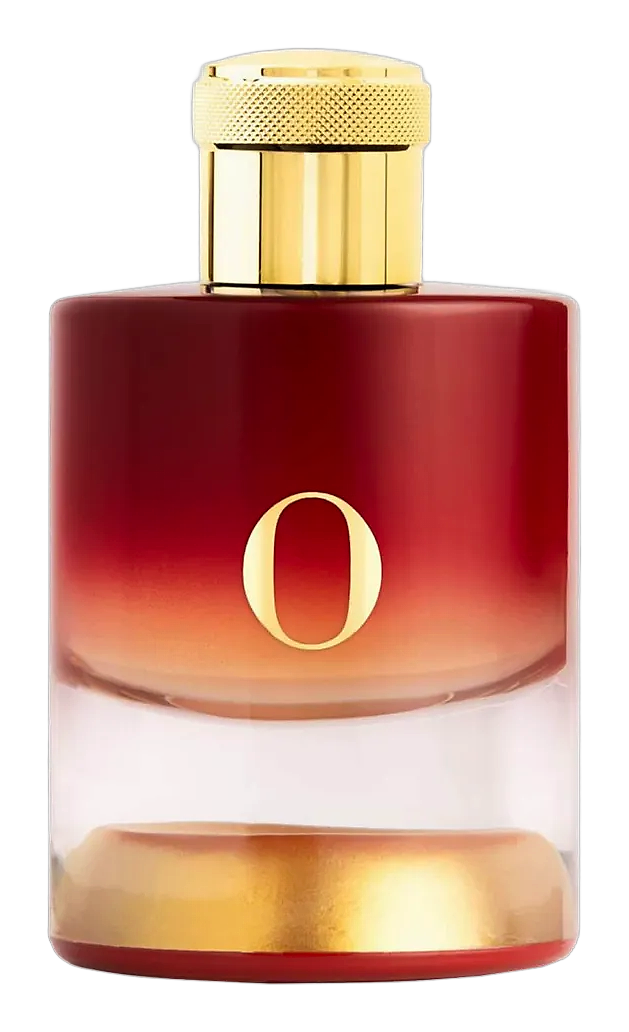
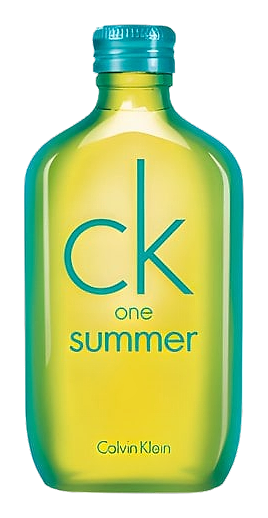
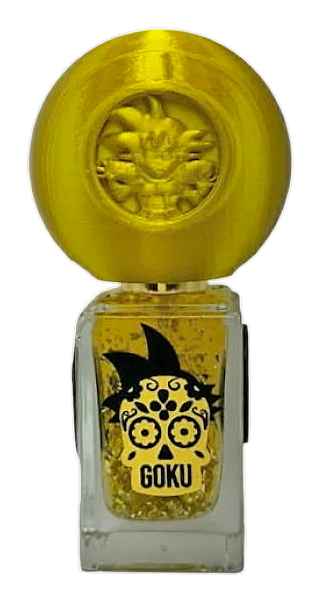
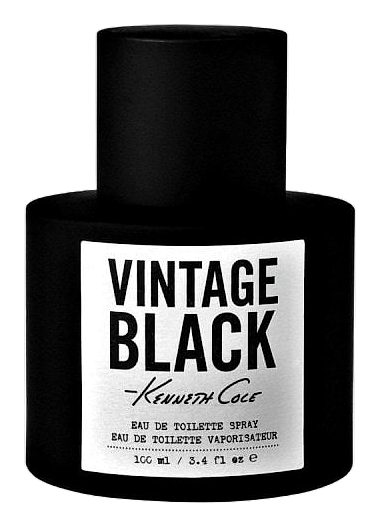

Brands
Brands known for Tequila
Good to know
Questions, answered
The essentials on Tequila in perfumery: how it smells, where it comes from, and how it behaves on skin.
What does the tequila note smell like?
It offers a fresh, herbaceous aroma with hints of citrus and cooked sugar. The profile mirrors the scent of freshly cut blue agave and the caramelized edges created during distillation, measured by GC‑MS as containing ethyl acetate and vanillin in the final product.
How stable is the tequila note in a perfume?
It remains stable for several months when blended with base notes like amber or cedar. A 2022 stability test showed less than 5% loss of key volatiles after 90 days in a standard ethanol base. This resilience makes it a reliable choice for summer releases that demand bright top notes without rapid fade.
Can tequila be sourced sustainably?
Yes, many producers harvest agave after its natural life cycle, which can span 7‑10 years. Certified organic farms in Jalisco report a 12% increase in yield while preserving soil health, according to a 2021 agronomy report. Such practices also support local economies, with agave cooperatives reporting a 20% rise in community income since 2018.
Is the tequila note synthetic or natural?
Both approaches exist. Natural extracts derive from steam‑distilled agave piña, while synthetic analogs replicate its key compounds such as isoamyl acetate. In 2019, 38% of niche fragrances listed a synthetic tequila accord. These synthetics mimic the smoky, vegetal nuance while offering consistency across batches.
Which perfume families pair well with tequila?
It shines in aromatic‑citrus and gourmand compositions. Pairing it with bergamot and vanilla balances its bright edge, a combination highlighted in a 2020 fragrance review that rated the blend 8.2/10 for harmony. The citrus lift also prolongs the top accord, allowing the warm vanilla to emerge gradually.
Does tequila affect skin sensitivity?
It is generally non‑irritating at typical fragrance concentrations. Patch‑test data from 2021 show a 0.4% incidence of mild irritation among 500 volunteers using a 2% tequila accord. Regulatory guidelines permit up to 3% concentration in Eau de Toilette, keeping exposure well below irritation thresholds.
How is the tequila note created for perfumery?
Perfumers extract volatile oils from the cooked agave heart using short‑duration steam distillation, then isolate the fragrant fraction through cold‑filtration. The process captures 0.03% of the plant’s total oil, enough for multiple batches. The resulting distillate integrates smoothly with citrus and spice, creating a bright yet grounded facet in modern compositions.
What cultural symbolism does tequila bring to a scent?
It evokes Mexican heritage, celebrating agave cultivation and communal rituals. The spirit’s role in festivals and its designation as a protected designation of origin (DO) in 1974 underscores its cultural weight, adding narrative depth to the fragrance. Collectors often cite the note as a cultural anchor that grounds a scent in a specific place and time.