Afghan Saffron
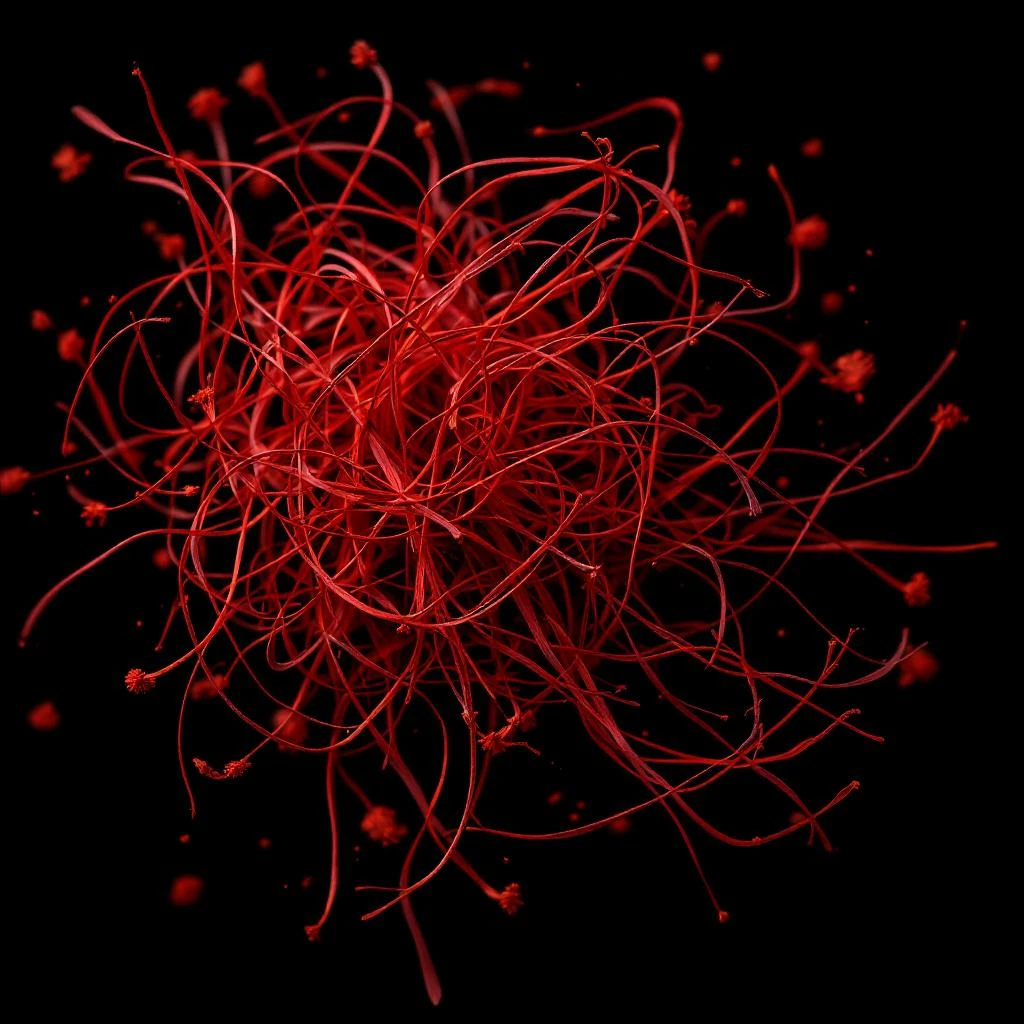
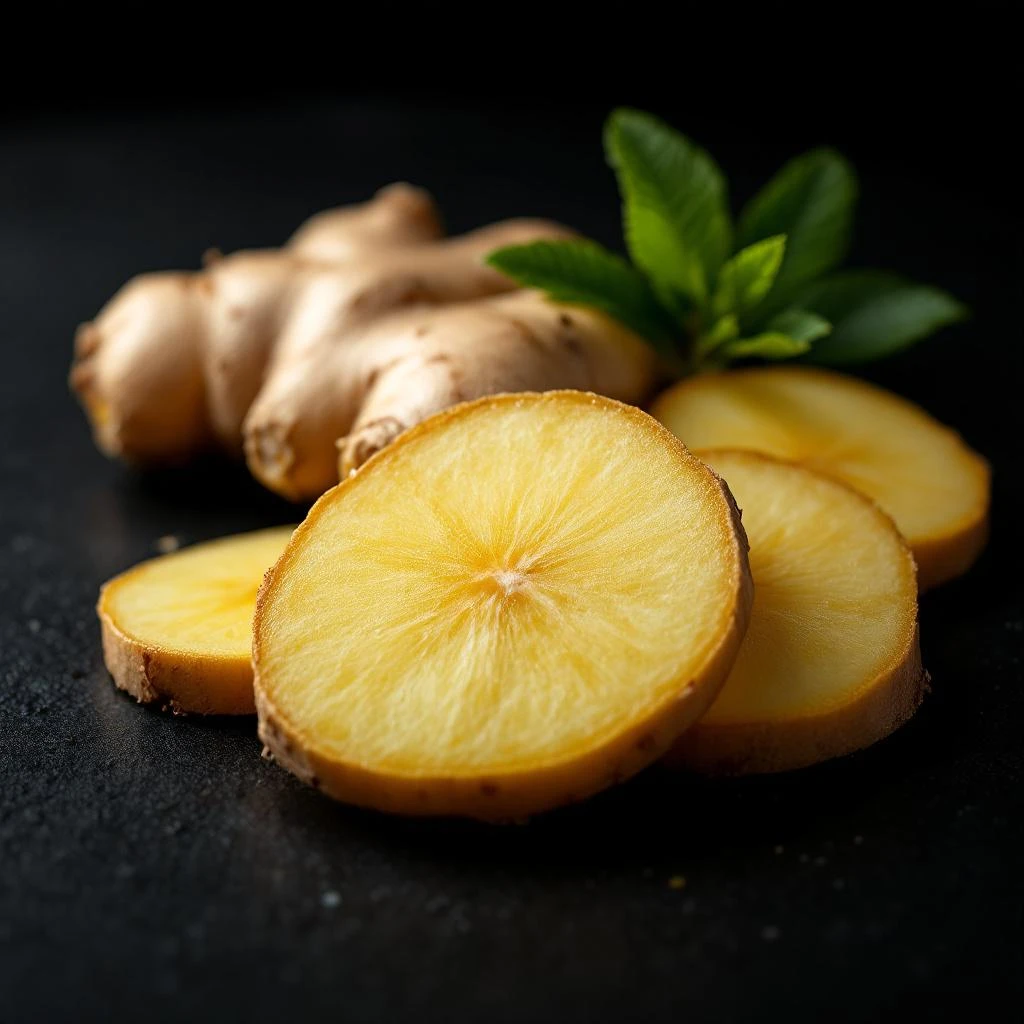
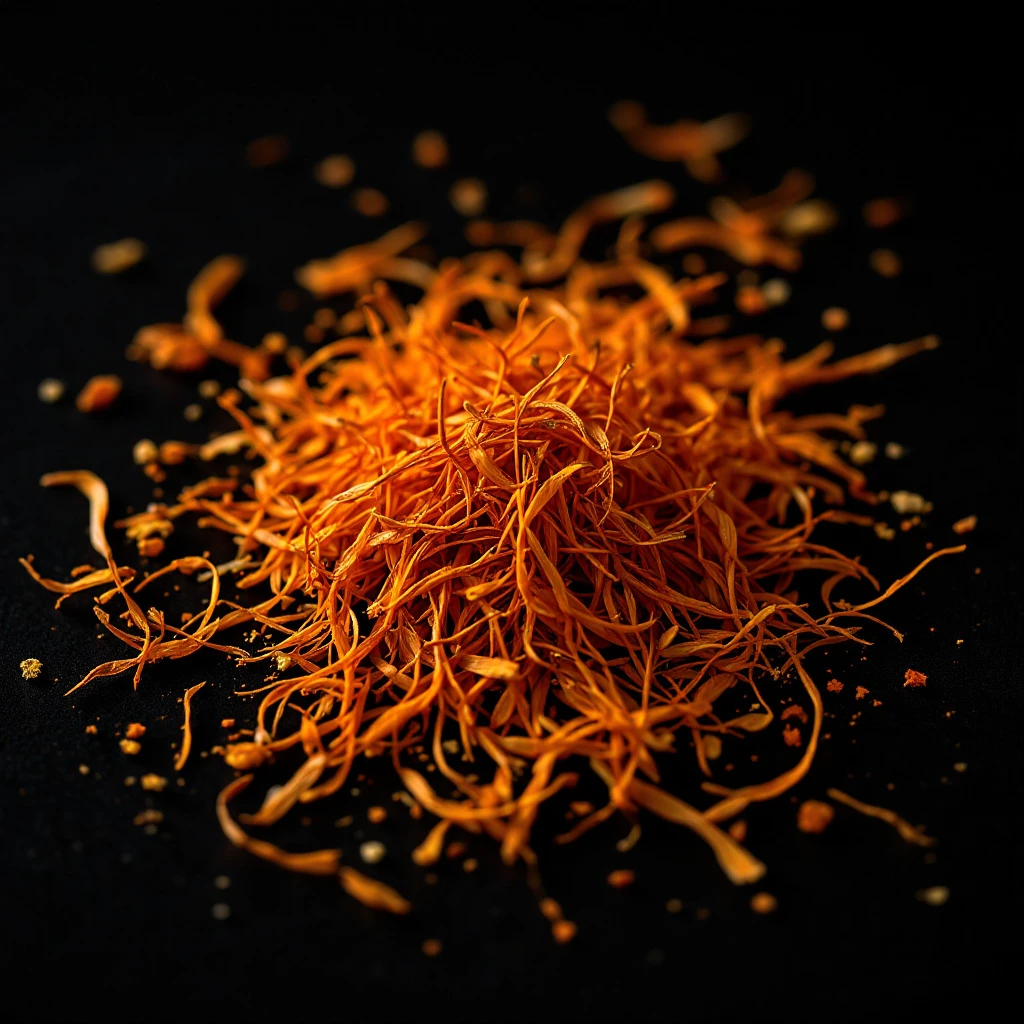
Afghan Saffron carries a warm, honeyed sweetness balanced by hay-like dryness and a subtle metallic edge. It evokes sun-baked spice markets and ancient trade routes.
Character
How it smells
Red gold from the Hindu Kush mountains.
Each saffron crocus blooms for only one week per year, and it takes over 170,000 flowers to produce a single kilogram of saffron threads.



Origin
Afghanistan
Afghanistan sits along ancient Silk Road corridors that connected Persia to Central Asia and beyond. Saffron cultivation took root in this region centuries ago, sustained by merchants who recognized its value as both trade good and currency. Archaeological evidence from Mesopotamian sites confirms saffron use around 3,000 BC, while Greek frescoes on Santorini document cultivation by 1500 BC. Persian royal courts reserved saffron-infused perfumes exclusively for monarchs, treating the spice as a mark of sovereign authority.
Afghan production centers grew around Herat province, where mountain microclimates and sandy soil create ideal growing conditions. Local monastic records from the region describe saffron featured in religious ceremonies and medicinal preparations. During medieval times, Afghan saffron reached Chinese markets and Mediterranean ports, valued as highly as gold by weight. Contemporary Afghanistan ranks among the worlds largest saffron producers, with Herat alone accounting for the majority of national output.
The government has invested in quality certification programs to establish Afghan saffron as a premium global product. Rural communities depend on saffron cultivation as a primary income source, with families passing harvesting techniques across generations.
Wears it best
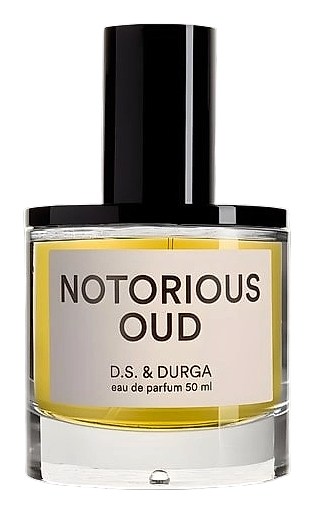
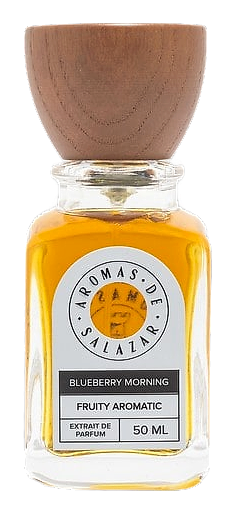
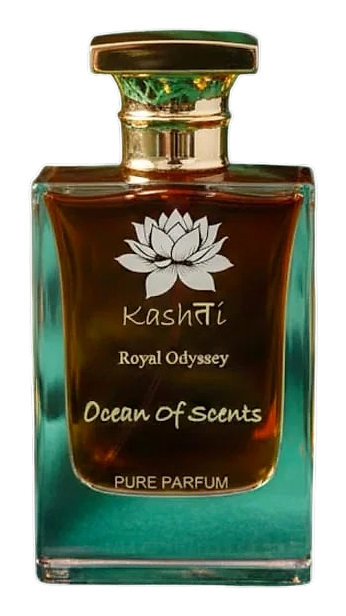
Fragrances featuring Afghan Saffron
Brands
Brands known for Afghan Saffron
Good to know
Questions, answered
The essentials on Afghan Saffron in perfumery: how it smells, where it comes from, and how it behaves on skin.
What does Afghan Saffron smell like in fragrance?
Afghan Saffron projects warm, honeyed sweetness with hay-like dryness and a subtle metallic edge. Perfumers value its complexity, combining sweet spice with earthy warmth that works especially well in oriental and ambery compositions.
Why is Afghan Saffron considered premium?
Afghan saffron ranks among the worlds most expensive spices due to manual harvesting requirements. Each crocus flower yields just three stigmas, and approximately 150 flowers produce a single gram. High-altitude cultivation in Herat province contributes to intensified aromatic compounds.
How is Afghan Saffron harvested?
Harvesting occurs during a two to three week window in October and November. Workers collect crocus blossoms by hand during early morning hours to prevent sunlight from degrading delicate aromatic compounds. Stigmas are then separated manually and dried in shaded, ventilated rooms.
What extraction method creates saffron resinoid for perfumery?
Perfumers use solvent extraction to produce saffron resinoid from dried stigmas. Ethanol extracts the aromatic compounds, yielding a concentrated material that captures the full honey-sweet, hay-like, and slightly metallic character of the spice.
Where does Afghan Saffron originate?
Primary production centers on Herat and Badakhshan provinces in western Afghanistan. Cultivation occurs at elevations between 2,000 and 3,000 meters in mountain valleys where climate and soil conditions create optimal growing environments for Crocus sativus.
What role did Afghanistan play in saffron trade history?
Afghanistan served as a critical hub along ancient Silk Road trading routes connecting Persia to Central Asia. Medieval records show Afghan saffron reaching Chinese and Mediterranean markets, valued as highly as gold by weight in international trade.
How does Afghan Saffron differ from Iranian or Spanish varieties?
Afghan saffron develops distinctive character from high-altitude mountain cultivation and traditional drying methods. The Herat region produces threads with concentrated honey-sweetness and pronounced hay-like warmth, offering a slightly different aromatic profile than Iranian or Mediterranean counterparts.
When did humans first use saffron in perfumery?
Saffron use in perfumery dates to approximately 1500 BC, documented in ancient Greek frescoes. Persian royal courts reserved saffron-infused perfumes exclusively for monarchs, treating the ingredient as a mark of sovereign authority and divine connection.