
The Story
Why it exists.
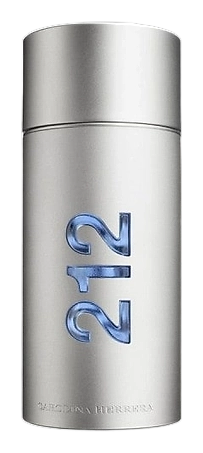
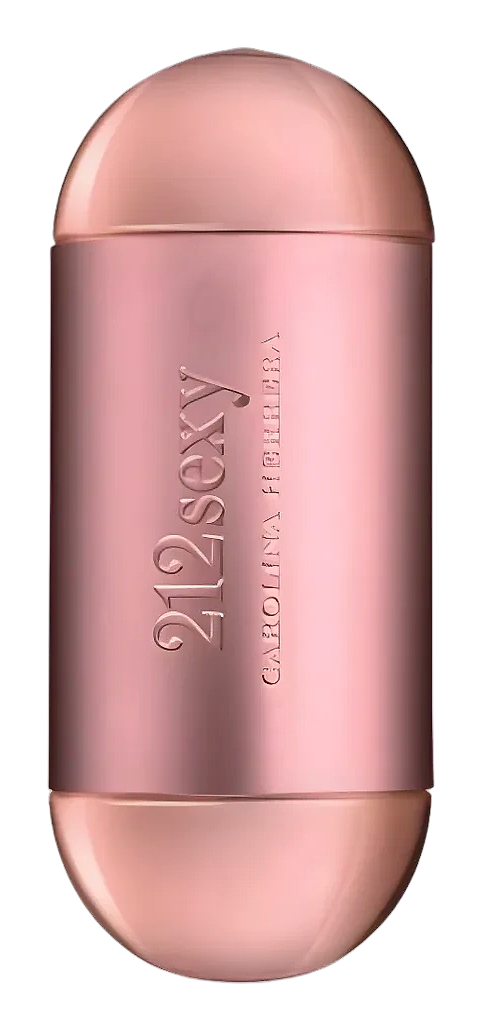
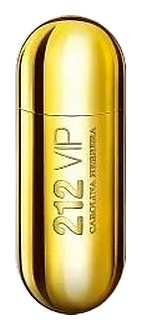
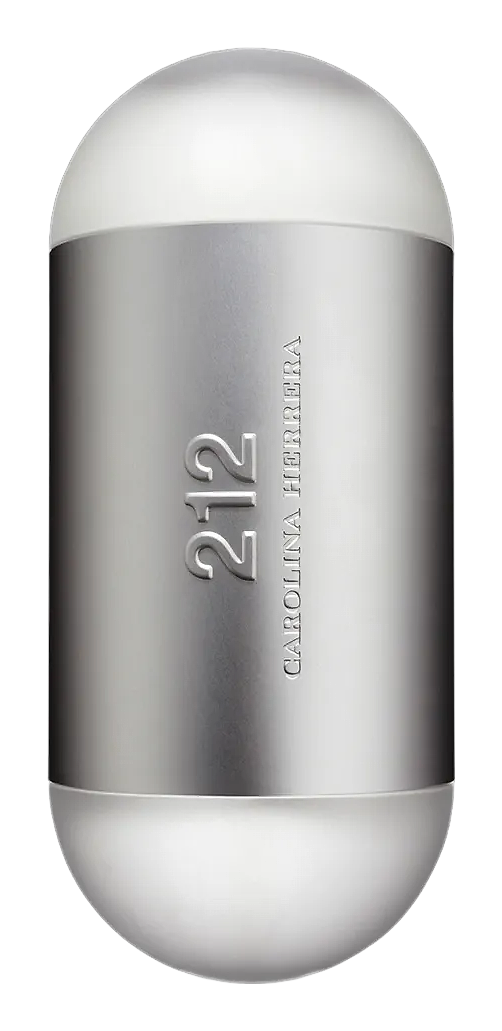
212 takes its name from Manhattan's area code, 212, a deliberate claim on the energy of New York City. Released in 1997 by a brand that had already dressed the city's elite, this fragrance was conceived as a portrait of the free-spirited woman who moves through it. Alberto Morillas, the nose behind it, built something that felt like a morning in Manhattan: bright, unapologetic, full of possibility. The collection's mission was to bottle the curiosity and confidence of a generation coming of age in the city's particular rhythm. Not nostalgia. Not fantasy. The real thing.
If this were a song
Community picks
Lady (Hear Me Tonight)
Modjo
The Beginning
212 takes its name from Manhattan's area code, 212, a deliberate claim on the energy of New York City. Released in 1997 by a brand that had already dressed the city's elite, this fragrance was conceived as a portrait of the free-spirited woman who moves through it. Alberto Morillas, the nose behind it, built something that felt like a morning in Manhattan: bright, unapologetic, full of possibility. The collection's mission was to bottle the curiosity and confidence of a generation coming of age in the city's particular rhythm. Not nostalgia. Not fantasy. The real thing.
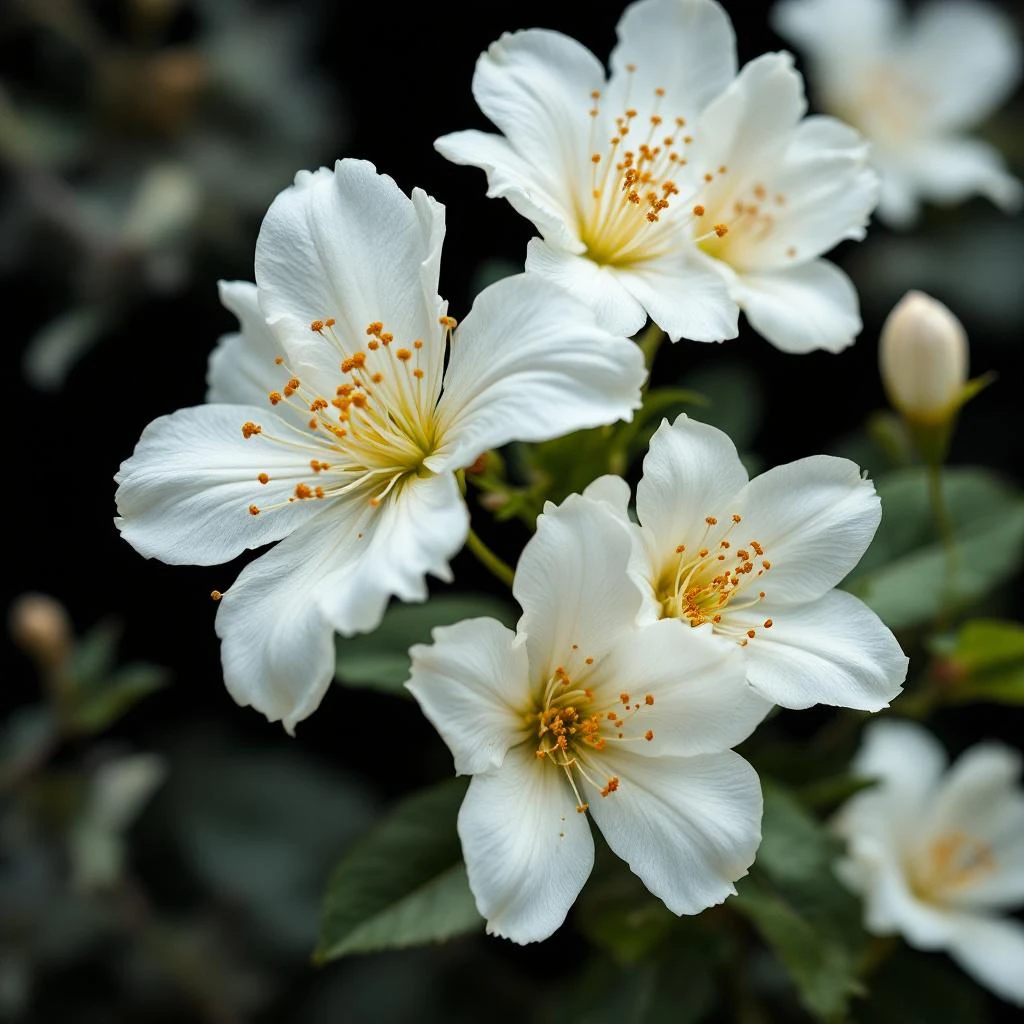
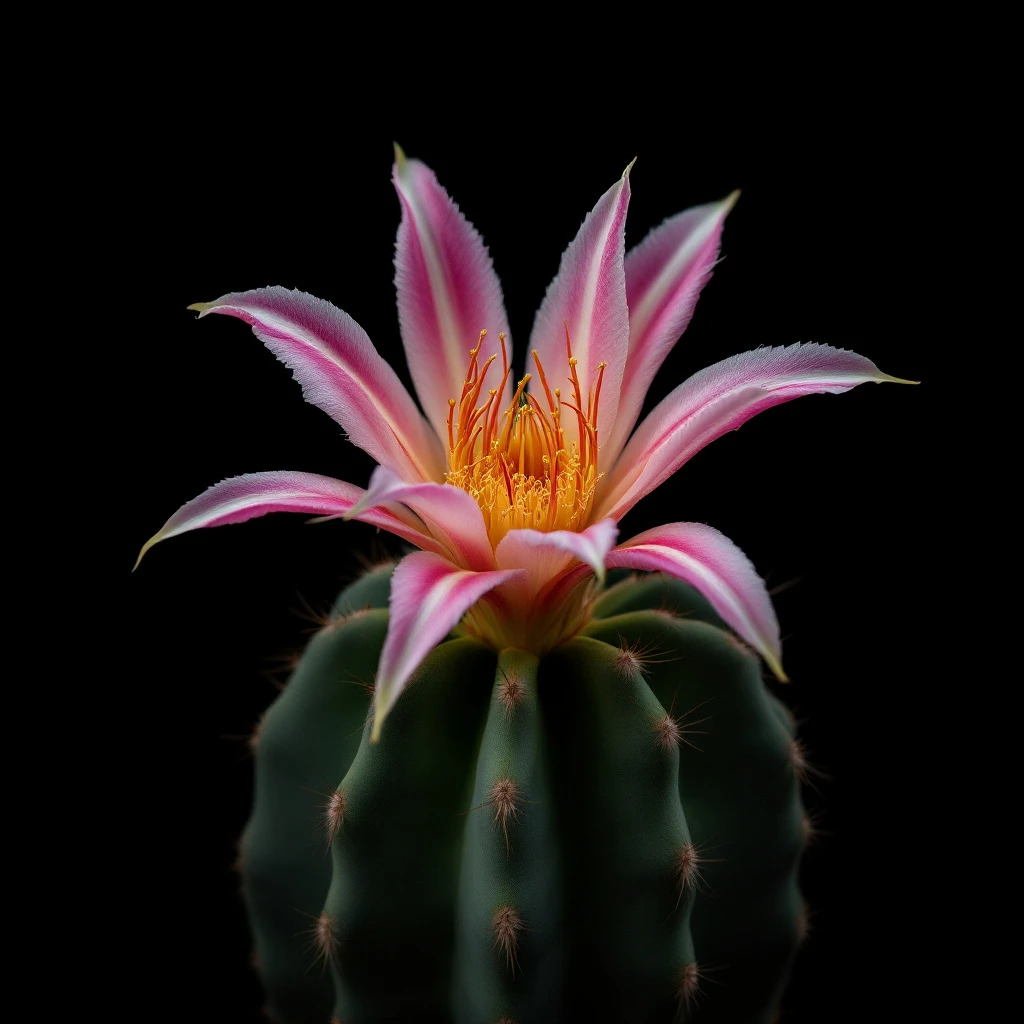
What makes 212 work is how Morillas handled the white florals, gardenia and jasmine are lush by nature, but here they stay upright. The cactus flower note in the opening is the unexpected move: a green, slightly prickly counter to the expected sweetness. It gives the composition an edge that keeps the florals from going static. The sandalwood and musk base is restrained, powdery rather than heavy, warm rather than loud. It's an urban composition in the truest sense: structured, optimistic, built for movement. The floral abundance never cloys because there's always that thread of something sharper running through it.
The Evolution
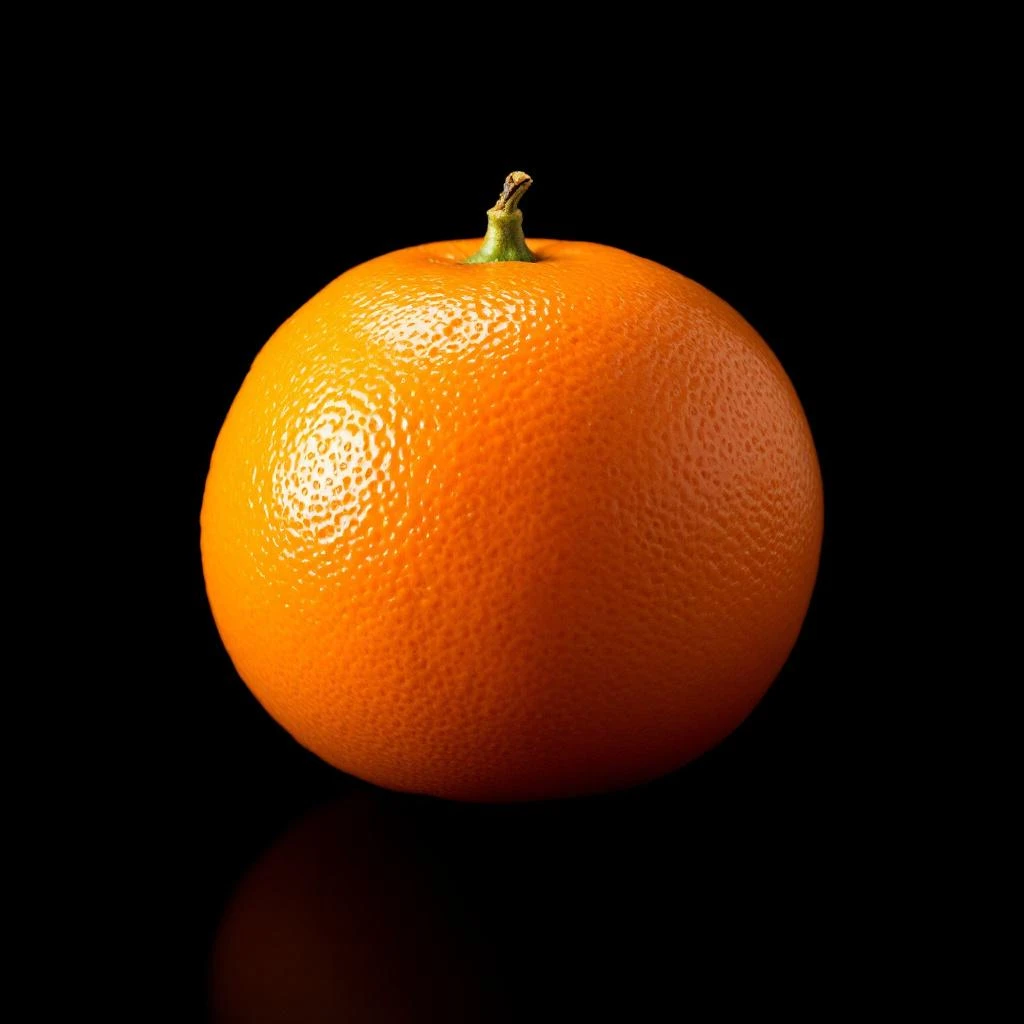
The opening is immediate and bright, bergamot, mandarin, orange blossom, and that cactus note creating a brief, surprising sharpness. Within the first hour, the citrus softens and the white florals take over smoothly. Gardenia leads, jasmine follows, lily-of-the-valley adds a clean green note. The drydown shifts again, sandalwood and musk settling into something powdery and warm. Not heavy. Not projection-heavy, either. This is a fragrance that stays close to the skin after the first hour, a quiet companion rather than a statement. On fabric, it lasts longer. On dry skin, it fades faster, 6-8 hours on the right surface.
Cultural Impact
212 arrived in 1997 as a celebration of a generation that saw New York as more than a city, it was a state of mind. The collection's official positioning as 'the scent of life' captures something broader than fragrance: an optimism about urban femininity that resonated beyond the bottle. It became a wardrobe staple for a certain kind of woman, someone who wanted to smell like possibility.
The House
USA · Est. 1981
Carolina Herrera fragrances are the essence of New York glamour and effortless sophistication. The house is defined by its celebration of modern femininity, often exploring confident dualities through bold scents and even bolder bottle designs. It's perfumery as the ultimate invisible accessory, designed for a life lived with passion and elegance.
If this were a song
Community picks
Imagine a track that opens bright and confident, a four-on-the-floor beat, piano chords that catch the light. The white florals in 212 translate to something with texture: lush but never heavy. The drydown is that moment in a song where the drop passes and something warmer settles underneath. It's urban, optimistic, and moves.
Lady (Hear Me Tonight)
Modjo