The Story
Why it exists.
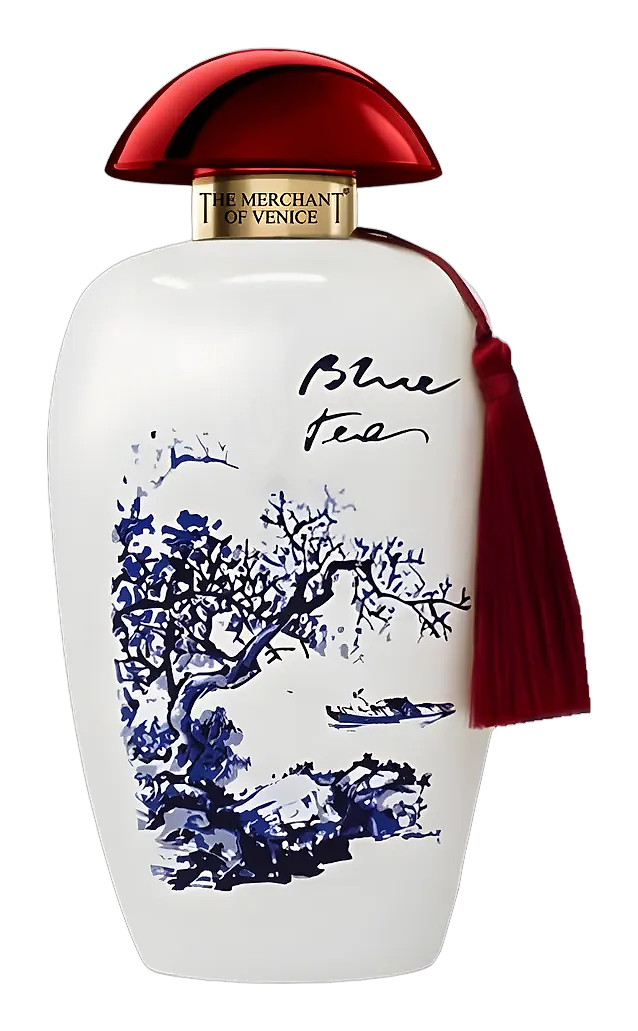
Blue Tea belongs to the Venezia & Oriente collection, The Merchant of Venice's exploration of the trade routes that once connected the East to the Adriatic. The collection draws its name from the tension between Venice and the Orient, finding fragrance in the exchange rather than the destination. The concept centers on blue tea itself: a flower native to Southeast Asia and India, neither green nor black, characterized by a blue-violet hue that appears only during brewing. Traditionally served in ceremonies across Vietnam, Thailand, and China, it's a drink tied to slowness, to the hour set aside for nothing in particular. The brand translated this into a fragrance in 2018, working within its Luxury Bath Line to layer the tea's subtle mineral clarity against a floral heart of magnolia, neroli, and rose. The objective was not a tea-and-biscuits comfort scent, nor an aggressive herbal statement.
If this were a song
Community picks
Riptide
Vance Joy
The Beginning
Blue Tea belongs to the Venezia & Oriente collection, The Merchant of Venice's exploration of the trade routes that once connected the East to the Adriatic. The collection draws its name from the tension between Venice and the Orient, finding fragrance in the exchange rather than the destination. The concept centers on blue tea itself: a flower native to Southeast Asia and India, neither green nor black, characterized by a blue-violet hue that appears only during brewing. Traditionally served in ceremonies across Vietnam, Thailand, and China, it's a drink tied to slowness, to the hour set aside for nothing in particular. The brand translated this into a fragrance in 2018, working within its Luxury Bath Line to layer the tea's subtle mineral clarity against a floral heart of magnolia, neroli, and rose. The objective was not a tea-and-biscuits comfort scent, nor an aggressive herbal statement.
What makes the structure unusual is the absence of the expected. Blue tea as a fragrance note carries no bergamot freshness, no lemon brightness, no citrus declaration. Its natural character sits closer to mineral water than to green tea, cool, slightly stony, almost sterile at the opening. The addition of nutmeg provides subtle warmth without competing; it reads as a faint spice, a whisper rather than a presence. The heart deploys three white florals in a composition that refuses to overwhelm. Magnolia contributes a buttery, almost edible richness. Neroli brings its characteristic bitter-orange blossom cleanliness. Rose is understated, present but not dominant, a breath of warmth rather than a statement.
The Evolution
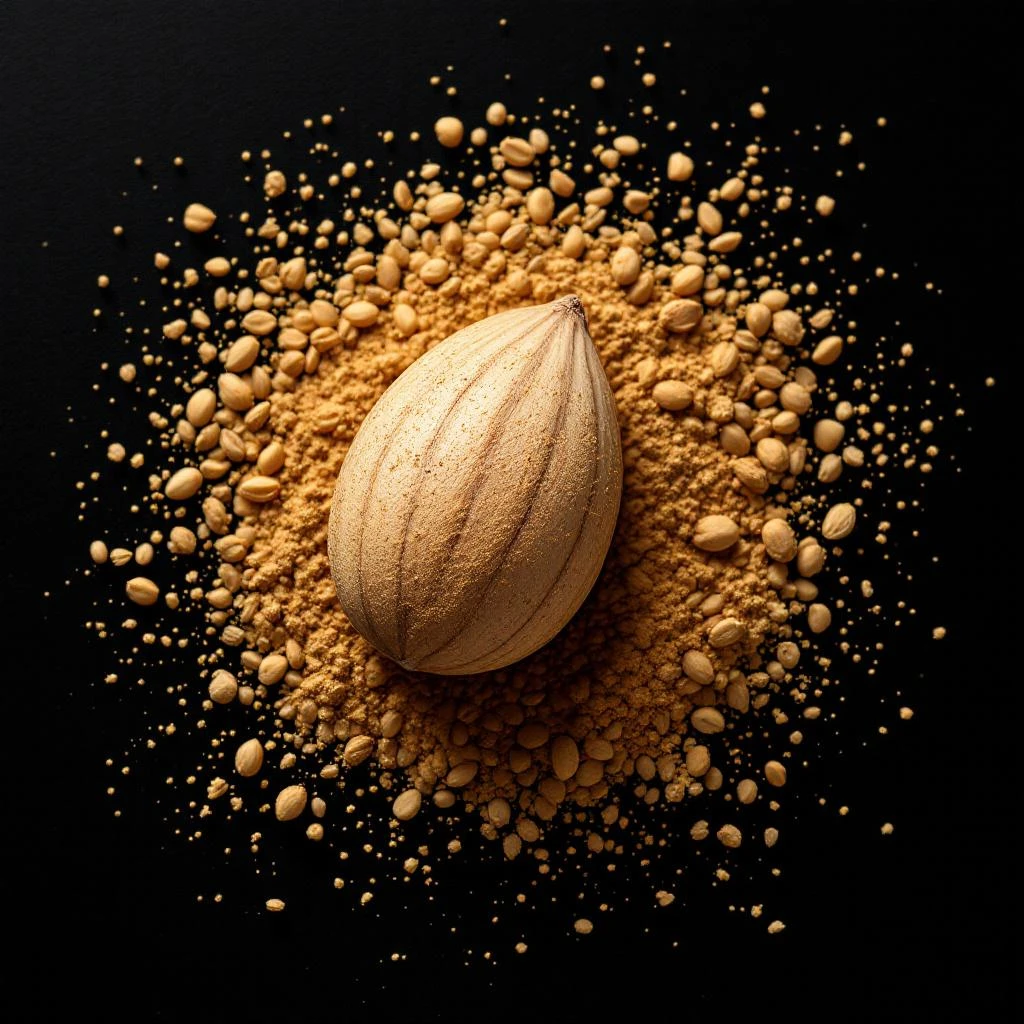
The opening arrives without announcement. Blue tea and nutmeg arrange themselves in a cool, precise line, mineral water with a barely-there spice edge. The projection is minimal from the first spray; this is not a fragrance that announces arrivals. Within thirty minutes, the floral heart asserts itself as a private matter. Magnolia surfaces first, creamy and composed. Neroli follows with its clean-bitter floral clarity. Rose arrives last, almost shy, a warmth that doesn't intrude. If you're sitting still, you can smell it. If you're moving through a room, you're wearing it alone. By the second hour, the drydown begins its slow reveal. Mate emerges from the base, green, earthy, toasty in a way that recalls dried herbs rather than sweetness. Vetiver adds its mineral-woody depth beneath, a quiet ground note that keeps the florals honest. The white florals don't disappear so much as they withdraw, becoming a memory of warmth rather than a present statement. The final phase is intimate. Musk wraps the remaining notes in skin-close warmth.
Cultural Impact
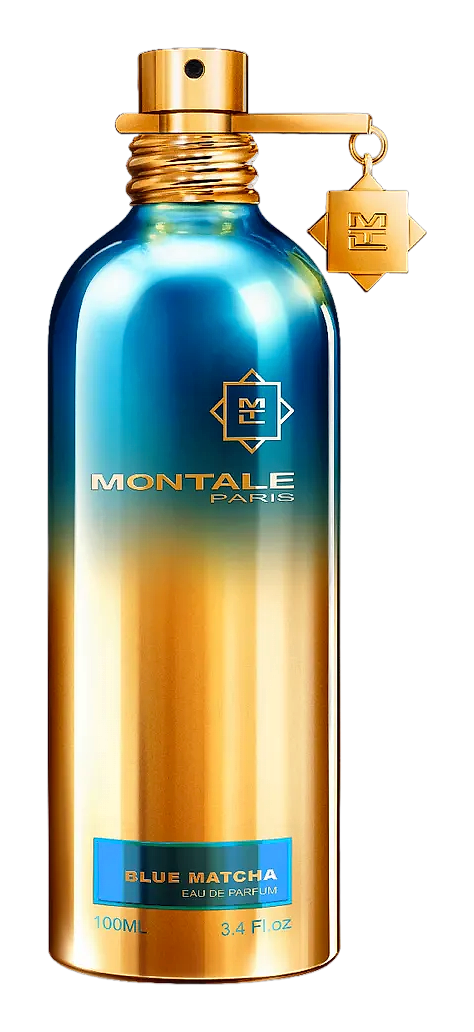
Blue Tea sits in a specific corner of the modern fragrance conversation: the tea-forwardunisex space, alongside fragrances like Montale's Blue Matcha and The Different Company's White Zagora. What distinguishes it from many peers is the restraint of its execution, the blue tea note reads as genuine, not synthetic, and the floral heart resists the performative oversized quality that characterizes much of the category. Wearers who connect with it tend to use words like photorealistic and sophisticated. The fragrance rewards patience. It was built for someone who doesn't need the room to know what they're wearing, and that's precisely what its community values most.
The House
Italy · Est. 2013
The Merchant of Venice translates the city’s centuries‑old perfume trade into contemporary scent collections. Founded in 2013 by the Vidal family, the house operates from a workshop overlooking the Grand Canal. Each fragrance references a facet of Venetian life – from the spice‑laden markets of the Rialto to the quiet canals at dusk. The line balances natural absolutes with modern accords, offering both men’s and women’s editions that feel rooted in history yet wearable today. Notable releases include Oud Illusion (2017), a smoky tribute to the city’s glass furnaces, and Neroli Marocco (2022), a bright nod to the Mediterranean trade routes that once fed Venice’s markets.
If this were a song
Community picks
The opening minutes of Blue Tea feel like a held breath, the still water moment before anything disturbs its surface. This is music for that pause: gentle, barely-there, with floral warmth threading underneath. Think early morning clarity, Venice at dawn, the kind of quiet that isn't empty but full of possibility. The playlist leans into that Mediterranean stillness, nothing that demands attention, everything that earns it.
Riptide
Vance Joy