
The Story
Why it exists.
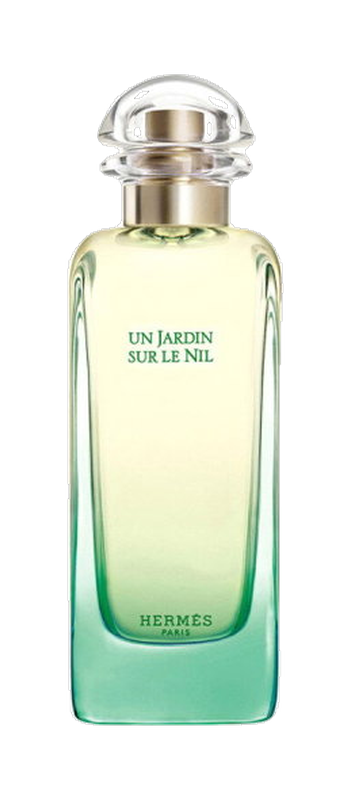
In 2005, Jean-Claude Ellena was four years into his tenure as Hermès's house perfumer. The brief was simple: the Nile. Not Egypt's history, not its ruins, the river itself, and the garden islands that bloom along its banks at Aswan. Ellena had a philosophy about scent: it should suggest, not demand. He wanted to translate a landscape into something you could wear. Green mango and lotus aren't traditional garden notes, they're the sensation of a place, not its literal botanicals. The result was impressionistic. A garden that exists only in the imagination.
If this were a song
Community picks
Nile
Toby Jolly
The Beginning
In 2005, Jean-Claude Ellena was four years into his tenure as Hermès's house perfumer. The brief was simple: the Nile. Not Egypt's history, not its ruins, the river itself, and the garden islands that bloom along its banks at Aswan. Ellena had a philosophy about scent: it should suggest, not demand. He wanted to translate a landscape into something you could wear. Green mango and lotus aren't traditional garden notes, they're the sensation of a place, not its literal botanicals. The result was impressionistic. A garden that exists only in the imagination.
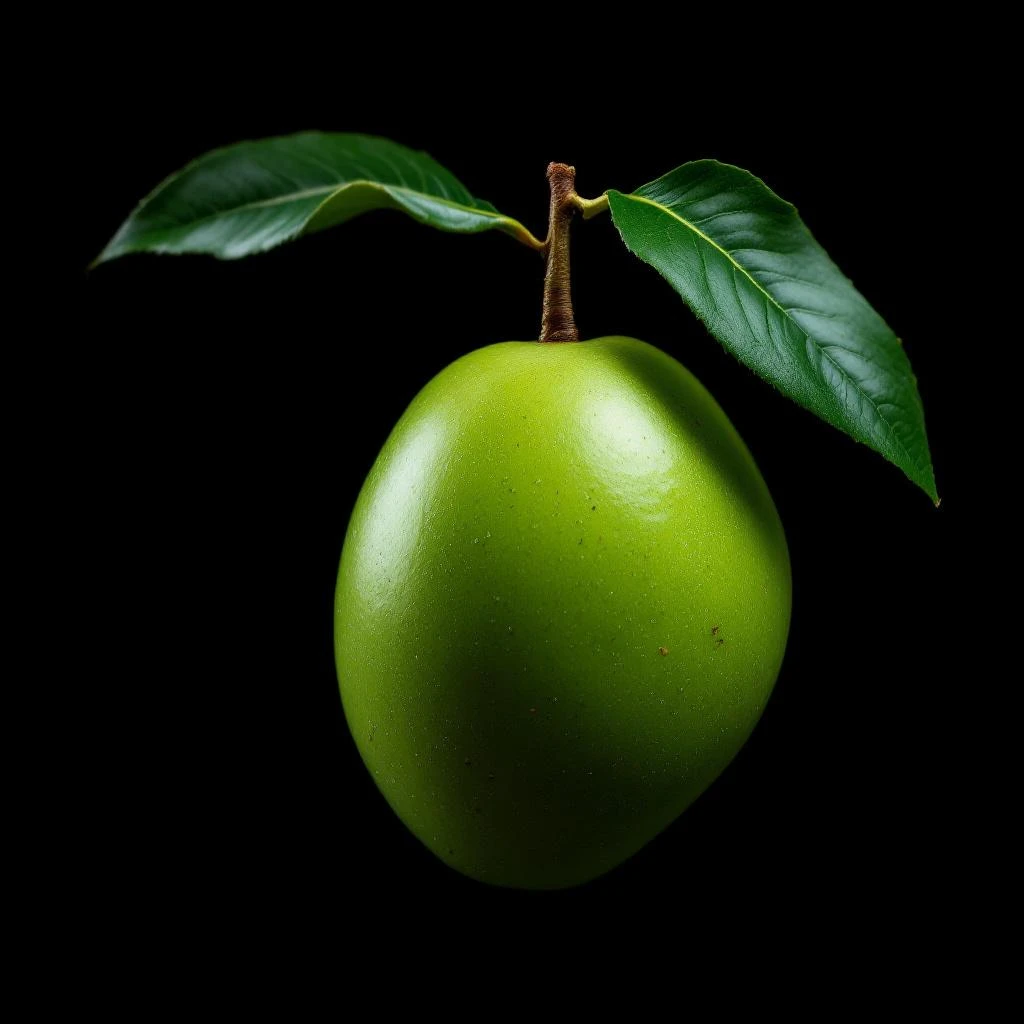
What makes this work is the restraint. Green mango is a strange top note, tropical but green, sweet but tart, a fruit that hasn't decided what it wants to be. Ellena pairs it with carrot seed, which adds a dry, earthy vegetable note that grounds the sweetness. The lotus in the heart doesn't smell like a flower, it smells like still water, like white things floating. It's abstract. Incense appears in the base not as smoke but as a quiet presence, something that lingers after you've forgotten you applied it. This is watercolour thinking: a few precise strokes that suggest a whole landscape.
The Evolution
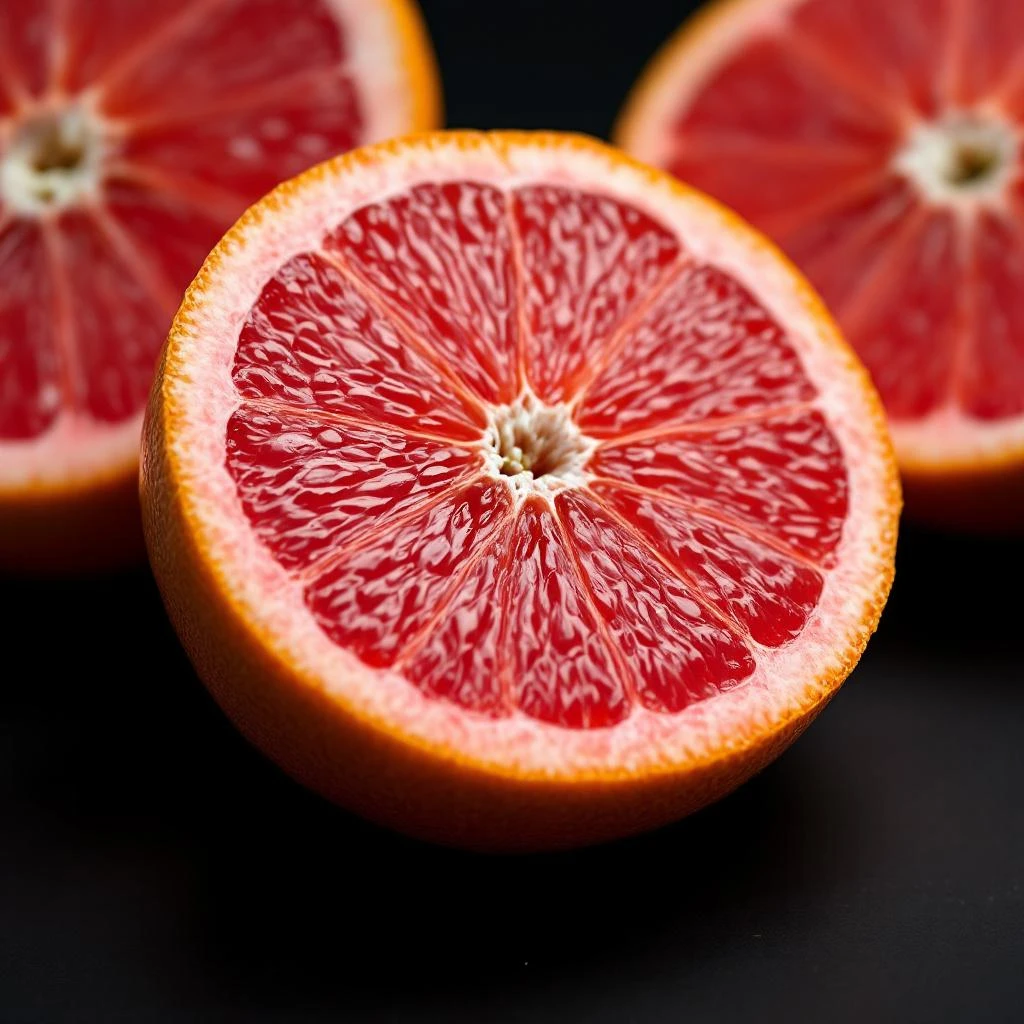
The opening announces itself in two waves. First, the grapefruit, clean and immediate, a citrus blast that cuts through morning air. Then the tomato and carrot seed arrive, adding an herbal quality that reads more vegetable than fruit. The green mango softens as it settles, becoming rounder, almost coconut-like. By the second hour, the heart takes over: lotus, hyacinth, and peony blending into a translucent white floral that feels more green than sweet. Bulrush and reed notes evoke the Nile's papyrus marshes. Around hour three, the drydown emerges, soft, powdery, almost meditative. The iris and musk do the work of deepening everything that came before. The incense never quite announces itself. It lingers. The garden dissolves into water.
Cultural Impact
The Un Jardin collection began in 1994 with Sur les Marges du Jardin, expanding into a travel journal where each scent captures a different horticultural setting. Un Jardin Sur Le Nil is one of the collection's foundational works, a reference point for green, aquatic, tropical fragrance that resists easy categorization. It remains underdiscussed relative to its quality, partly because it doesn't shout, and partly because it doesn't fit neatly into any trend. Those who find it tend to become evangelists. It appeals to a specific kind of wearer: someone who wants a scent that smells like a place, not a personality.
The House
France · Est. 1837
Hermès fragrances are the olfactory equivalent of a perfectly crafted leather bag or a fine silk scarf. They're not about loud statements but about quiet confidence, telling stories inspired by nature, poetry, and the house's equestrian heritage. This is perfumery as an art form, defined by intellectual elegance and exceptional materials.
If this were a song
Community picks
The soundtrack for Un Jardin Sur Le Nil is quiet water and early morning light. Think of a boat moving slowly on the Nile, no engine noise, just reeds parting. The playlist should feel contemplative and still, with moments of warmth beneath the surface calm.
Nile
Toby Jolly