Character
The Story of Hiacynth
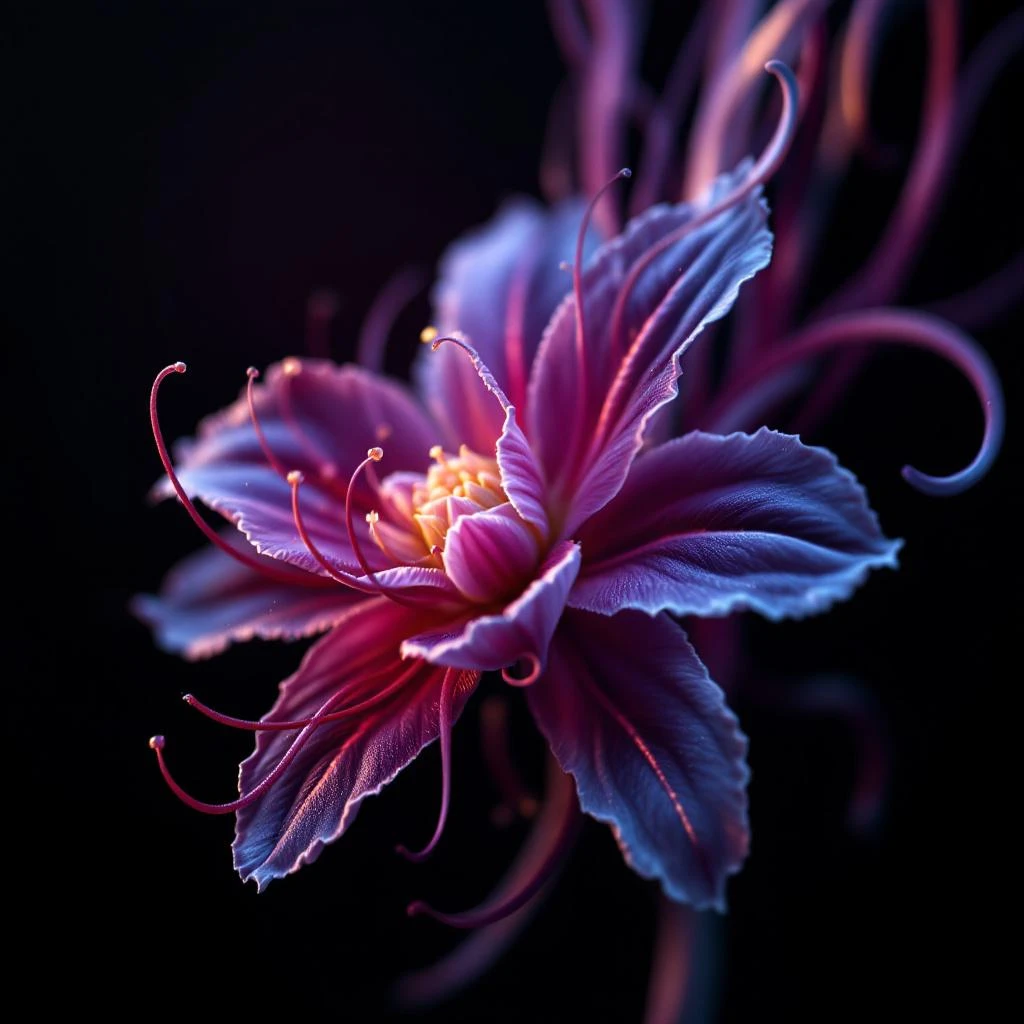
Green-honeyed aldehyde with narcotic floral depth. Hyacinth opens with piercing sharpness, softened by indole's animal warmth and an earthy mushroom undertone that grounds its sweetness. One of spring's most intensely vegetal white florals.
Heritage
Greek mythology tells of Apollo and Hyacinthus, two young men playing a game of discus on a spring afternoon. The god Zephyr, consumed with jealousy, redirected the discus with his winds, striking Hyacinthus fatally. From his spilled blood, Apollo caused hyacinth flowers to spring forth. The ancient Greeks associated the bloom with rebirth and grace, weaving its flowers into ceremonial garlands. The botanical Hyacinthus orientalis originated in Asia Minor and entered cultivation in the fifteenth century, eventually becoming a prized forcing bulb in Dutch horticulture. By the eighteenth century, Dutch bulb cultivators began extracting perfume from the intensely fragrant spikes. The flower became a fixture in European perfumery during the nineteenth century, valued for its penetrating green-floral character that no other white flower quite replicated. Today, hyacinth remains a fixture in spring fragrances and green floral compositions, whether rendered from precious natural absolute or faithfully recreated through synthetic chemistry.
At a Glance
1
Feature this note
Netherlands
Primary source region
Ingredient Details
Solvent extraction
Flower spikes
Did You Know
"Six thousand kilograms of hyacinth flowers yield just one litre of absolute, making it one of perfumery's most precious botanical materials."