The Story
Why it exists.
The beginning
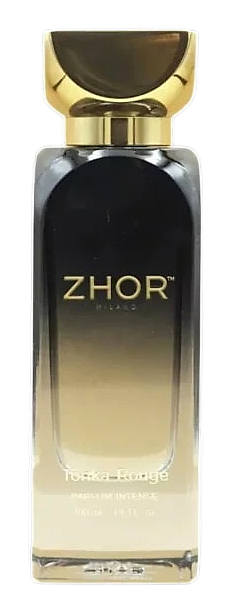
Tonka Rouge arrived in 2025 from Zhor Milano, a house that has carved out its own quiet corner of contemporary perfumery. The brand approaches fragrance as an exercise in restraint and intention, building compositions that prioritize texture and warmth over flash. Tonka Rouge sits firmly within that creative lineage, but trades the sweet gourmand routes for something softer, more interior. Less postcard, more memory. The name itself points to the dominant material and the mood it conjures: tonka bean, rendered rouge, warmed through, deepened until it glows rather than shouts. It's a fragrance built around what stays after the first impression fades.
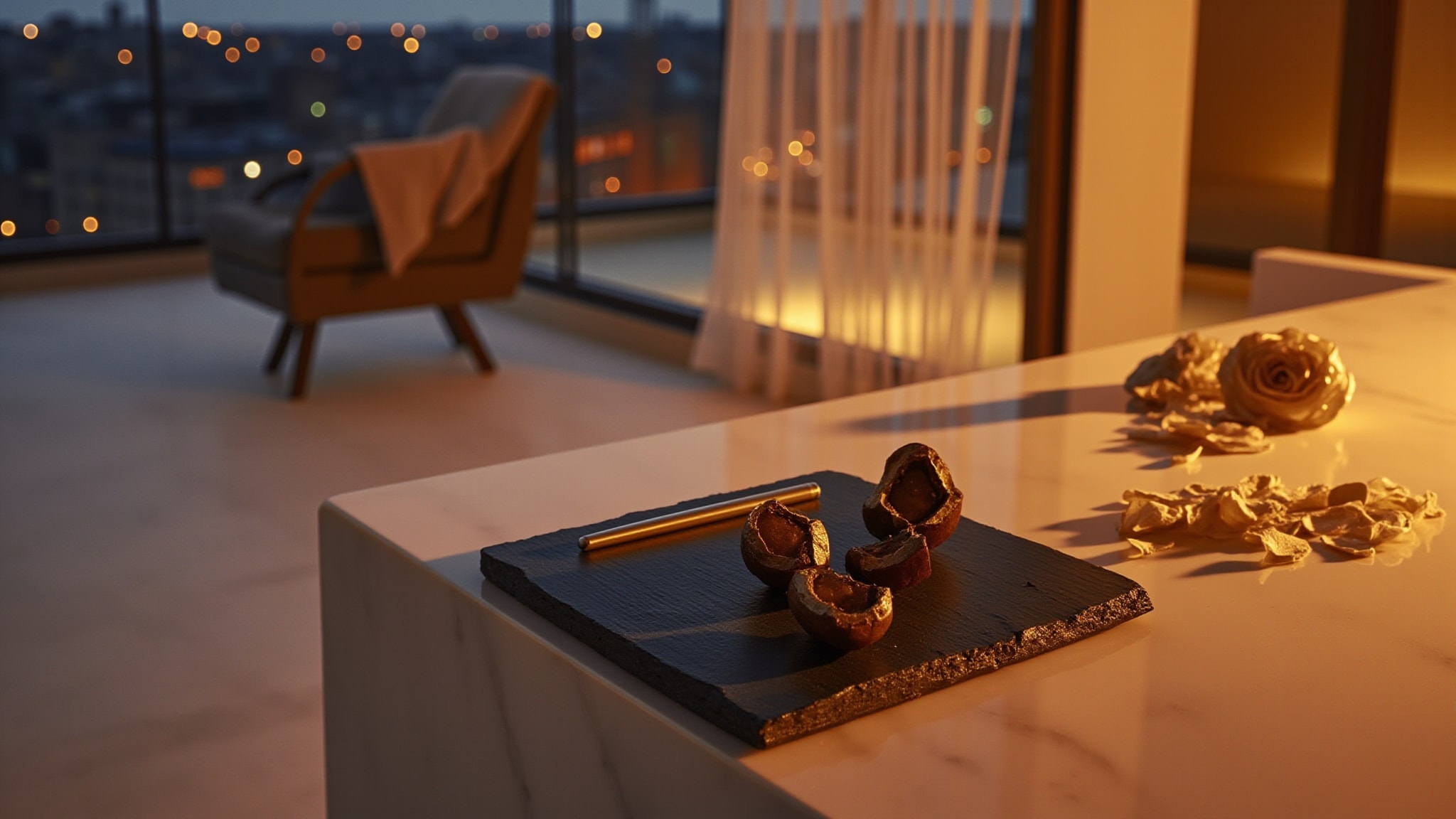
What makes Tonka Rouge interesting isn't any single rare material. It's how familiar notes are rearranged to feel unfamiliar. Almond and ambrette in the opening could read as a marzipan confection, but Egyptian jasmine and rose absolute in the heart keep it grounded in something floral, something grown rather than baked. Then tonka bean arrives alongside vanilla, doubling the cream, pulling the composition toward an edible warmth that never crosses into gourmand territory. The base seals it: ambroxan for that skin-musk shimmer, labdanum for amber depth, sandalwood for the creamy wood that holds everything together. It's a classical oriental skeleton wearing contemporary tailoring.
The evolution
On skin, Tonka Rouge opens with that almond-ambrette lift, light, almost powdered, like the inside of a just-opened sachet. The earliest moments give you a fleeting impression of something nutted and warm, the kind of scent that feels nostalgic before you've placed the memory. As the hours pass, the rose absolute begins to surface, not as a floral statement but as a warmth, a blush under the cream, a suggestion rather than an announcement of petals. The tonka and vanilla soon settle in together, and this is where the fragrance stops being an opening act and becomes itself. The drydown is the longest chapter. Ambroxan and labdanum carry the composition for hours, with sandalwood underneath like a low chord, grounding the sweeter notes in something woody and meditative.
Cultural impact
Tonka Rouge earns its place through the restraint it demonstrates in a category that often rewards excess. What separates it is the way sweetness takes a back seat to nuance and depth. The composition buries its sugary tendencies under layers of rose and an undercurrent of ambrette and sandalwood, then lets the drydown do the talking. It speaks to those who want comfort and softness without anything approaching simplicity. The rose here feels lived-in, almost worn, more like the memory of a flower than a fresh bouquet, which gives the whole composition an introspective quality.