The Story
Why it exists.
The beginning
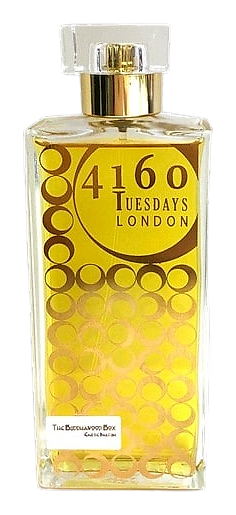
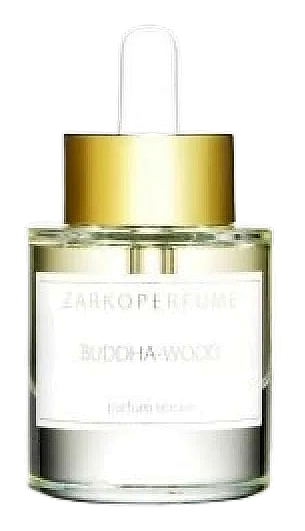
Zarko Ahlmann Pavlov has spoken about designing fragrances around single molecules, using chemistry as both structure and story. For Buddha Wood, the molecule wasn't an abstraction. It was the point. Buddha Wood (Eremophila murraya) has a complicated history in perfumery: used as a sandalwood substitute when supplies tightened, it carries a smoky, slightly medicinal character that divide wearers. Zarko didn't try to fix it. He built around it. The 2016 release pairs Buddha Wood with Australian sandalwood, cashmere wood, and musk, materials that ground the more challenging edges without erasing them. The result is a woody fragrance that earns its name and doesn't ask permission.
What makes this work is the concentration. Parfum means the materials arrive at full strength, and Buddha Wood at full strength smells like embers cooling in a stone room, not aggressive, but present. The Australian sandalwood doesn't compete. It cushions. Cashmere wood adds a powdery softness that makes the whole composition wearable for hours without aggression. Musk keeps the drydown intimate, close to skin, rather than broadcasting. The tension here is between meditative and seductive, which sounds contradictory until you smell it. That's the achievement: quiet on the surface, warm underneath, and different enough that most people won't know what to make of it at first sniff. That's usually a good sign.
The evolution
The opening announces itself in the first minute, a warm, smoky wave of Buddha Wood that doesn't ask for attention. Australian sandalwood softens the edges almost immediately, creating a contrast between the resinous depth of the opening and the creamier woody heart. The heart phase arrives around 20 minutes in, when cashmere wood and musk take over. The cashmere wood adds a powdery warmth that makes the whole composition feel closer, more intimate. The musk keeps it skin-close rather than projecting. By the second hour, the drydown settles into something that almost disappears, musk and cashmere wood absorbed into skin warmth, leaving a faint trace that most people will smell before you do. On most skin types, the full arc runs 8-10 hours. On dry skin, it holds for 6-8 hours before fading to a quiet wood-and-musk that lingers into the next morning on fabric.
Cultural impact
Buddha Wood originates from the Darwin region in Australias Northern Territory, where the Erythrina vespertilio tree has long held a place in traditional medicine and ceremonial practice among Indigenous communities. The wood's dark, almost tar-like smoke when burned positioned it as a contemplative material long before perfumery took notice. ZARKOPERFUME's 2016 launch of this fragrance marked one of the first mainstream niche uses of Buddha Wood as a primary accord, bringing an ingredient previously known only in incense and ritual contexts into the precision-focused world of Western perfumery. The timing coincided with growing consumer interest in sustainable and unusual aromatic materials, as mainstream sandalwood sources faced increasing scarcity.