
The Story
Why it exists.
The beginning
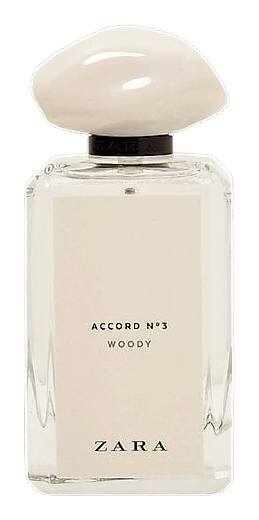
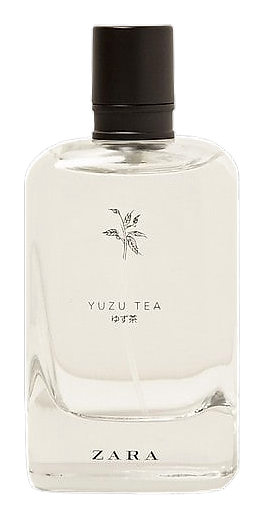
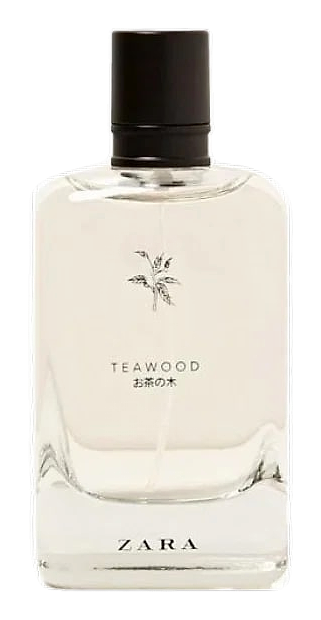
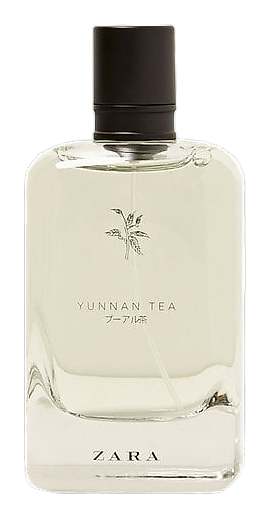
Yunnan province in southwest China has cultivated tea for over a thousand years. The region's high-altitude gardens produce some of the world's most prized leaves, Pu-erh, black tea, purple tea. The name alone carries weight in tea culture. Zara's 2017 release takes that terroir and translates it through a Spanish fashion house lens: contemporary, accessible, citrus-forward. The brief seems simple, bring tea to the mass market without the heritage tax. What emerged is a fragrance that opens bright, settles herbal, and finishes with the kind of woody warmth that makes you lean closer to your own wrist.
Mate sets this apart from the typical green or white tea fragrance. It's not the delicate, vegetal freshness most of us associate with tea notes. Mate carries something earthier, a slight bitterness, a smoky undertone, a weight that gives the composition substance. Combined with orange blossom and cedarwood, Yunnan Tea becomes more than the sum of its parts. It's a citrus tea that doesn't apologize for its woody base. The fragrance doesn't skimp on the mate, either, it's not a cameo. It takes up space in the heart, which is unusual for an accessible fashion fragrance.
The evolution
The opening hits first: bergamot and orange blossom, bright and waxy. Cardamom arrives within seconds, adding clean spice. The citrus doesn't last long, within minutes, mate asserts itself. Not the mate of Argentina's yerba mate drinks, but the mate of perfumery: herbal, smoky, slightly bitter. The orange blossom acts as a bridge between citrus and tea, softening the bergamot's sharpness while letting mate's earthiness breathe. Then the heart shifts. Mate takes over as the dominant note while cedarwood and guaiac wood begin their slow emergence. The citrus fades but doesn't disappear entirely, it lingers in the background, a memory of the opening. By the mid-point, the composition has settled into something more grounded. The drydown is where the woods do their work. Cedar and guaiac create an aromatic, slightly medicinal warmth. The mate note persists, but it's gentler now, integrated into the woody base rather than fighting against it. The floral elements fade almost completely. What remains is tea, wood, and a quiet smoke that stays close to the skin.
Cultural impact
Yunnan Tea arrived in 2017 as part of Zara's calculated push into prestige-adjacent fragrance. At that moment, the market for accessible tea scents was expanding rapidly, driven by consumer interest in botanical and aromatic profiles. The fragrance's mate note distinguished it from typical green tea offerings, positioning it as a more complex alternative to lighter competitors. This launch reflected Zara's broader strategy of offering fashion-forward consumers affordable luxury without the traditional markup.