The Story
Why it exists.
The beginning
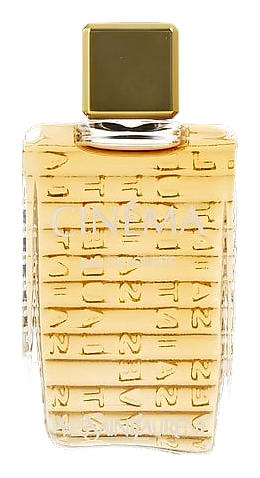
The name says everything. Cinéma is a love letter to the silver screen, to the hush before the lights go down, the warmth of a packed theatre, the glow that turns everything soft and slightly unreal. Jacques Cavallier Belletrud composed this fragrance in 2006. It is about the right light hitting at the right moment. Warm, lit from within, intimate in the best way.
What makes Cinéma interesting is how it avoids the expected. A fragrance named for film could have gone theatrical, loud, dramatic, full of spectacle. Instead, Belletrud built it around something quieter and more persistent. The clementine opening is bright but brief, there to grab attention before yielding to something deeper. The white florals, jasmine, peony, amaryllis, carry the middle without overpowering it. And the base, bourbon vanilla softened by white musk and amber, is what lingers. The warmth wraps everything in a soft glow, close to the skin.
The evolution
The opening hits immediately: clementine's tart citrus brightness, lifted by cyclamen's green-floral edge. Mimosa joins early, soft, yellow, powdery, a little honeyed. That citrus-floral burst holds for a while, clean and pretty without being generic. Then the handoff. Jasmine and white peony arrive quietly, not replacing the brightness but deepening it, turning the scent from fresh to warm. Amaryllis adds a subtle tropical nuance, a hint of something unexpected in an otherwise classical structure. This is the feature presentation. The drydown begins as bourbon vanilla emerges, creamy and warm, followed by white musk and amber settling close to the skin. By the later hours, it becomes intimate, a skin scent, but a beautiful one. Vanilla and powder remain. The clementine is long gone. The warmth stays.
Cultural impact
When Cinéma EDT launched in 2006, it arrived as a love letter to Hollywood glamour. The mid-2000s saw a resurgence of interest in accessible luxury, and Cinéma captured that moment. Its powdery-vanilla character became a signature of the era, influencing countless subsequent releases from fashion houses seeking to replicate its mass appeal. The fragrance showed that intimate, warm florals could compete with louder orientals for market share.