The Story
Why it exists.
The beginning
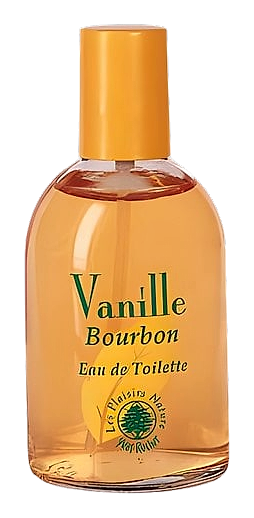
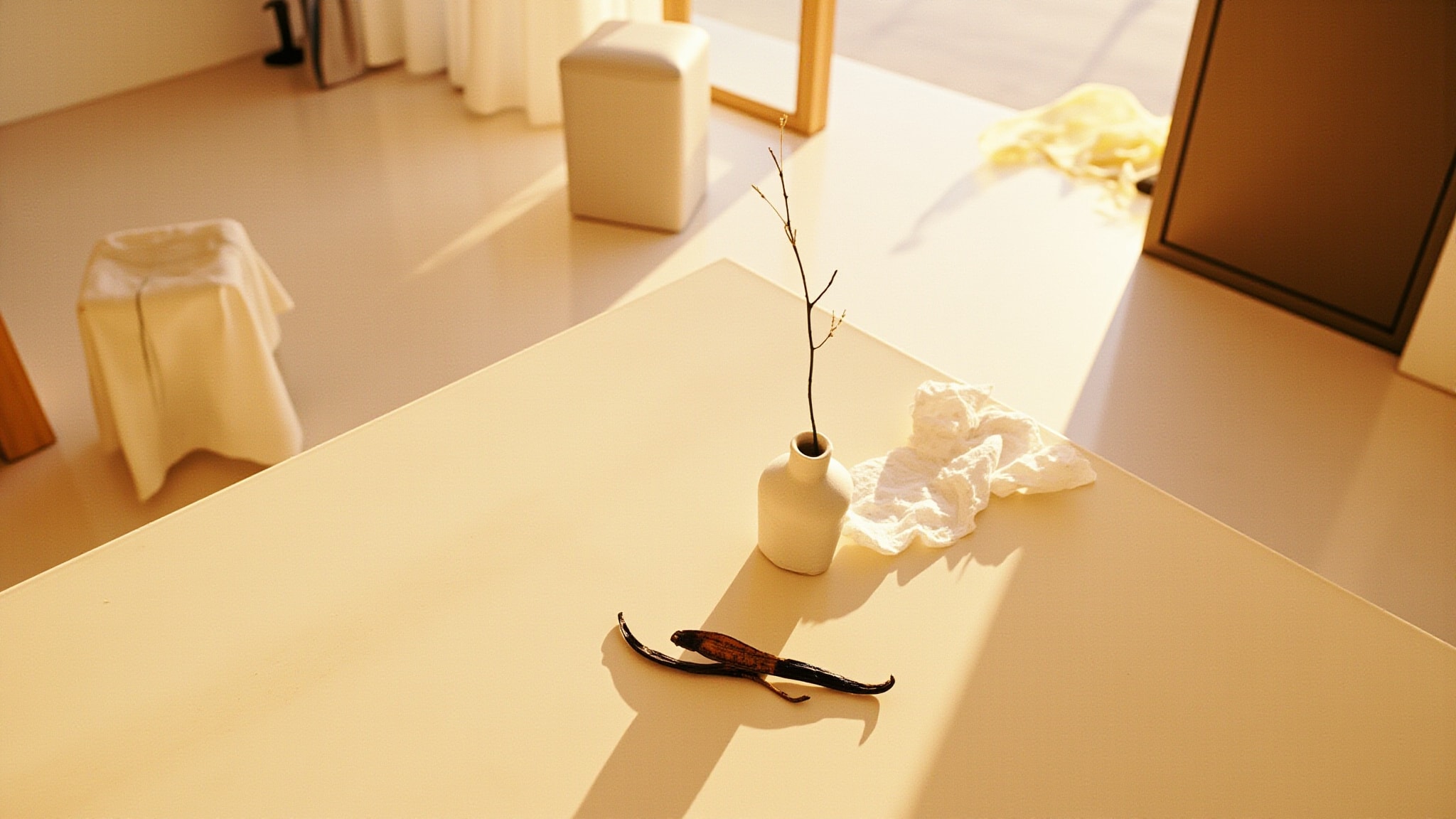
In 2000, Sophie Labbe approached vanilla not as a comfort note to lean on, but as a material with something to prove. The name says Bourbon, not just vanilla, but the specific, full-bodied variety from Madagascar, a region whose terroir gives the pod a depth that cheaper substitutions flatten into sweetness. Yves Rocher's botanical foundation gave Labbe a constraint that became a signature: she couldn't rely on the usual richness tricks. She had to earn the warmth through structure. The result was a fragrance that reads as both intimate and grounded, vanilla as autobiography, not decoration.
What makes Vanille Bourbon 2000 stand apart from the category is its refusal to be one thing. The buttery sweetness arrives warm and immediate, but it doesn't stay. Seasoned woods arrive to ground it. Burnt myrrh adds resinous shadow. Spicy patchouli keeps the edges from going soft. Karité butter, shea, gives it that slightly fatty, almost edible depth. Honeyed caramel threads through as a middle voice, bridging the initial sweetness and the darker finish. It's a vanilla that knows what it's doing. Each layer has a reason to be there. That's rarer than it should be in mass-market vanilla.
The evolution
The opening hits with immediate warmth, bourbon vanilla in its richest register, buttery and almost caramelized. Within the first 30 minutes, the sweetness begins to make room. Seasoned woods and burnt myrrh push through, adding smoke and resin that pull the composition away from pure comfort. The karité butter holds everything together, giving the mid-phase a slightly fatty, nourishing quality that feels less like perfume and more like something that belongs on skin. By hour two, the transition is complete. The drydown is powdery, balsamic, and close, the kind of warmth that stays within arm's reach rather than announcing itself across the room. It lingers for hours, and there's a trace on fabric the next morning that smells like warm skin and soft wood. Moderate sillage throughout. Not a fragrance that fills a room, one that stays with you in it.
Cultural impact
Vanille Bourbon 2000 arrived at a turning point in mass-market perfumery when vanilla was experiencing a quiet renaissance. While the 1990s had favored crisp citruses and transparent florals, the early 2000s saw a return to warmer, more opulent compositions. Yves Rocher, founded on botanical principles and accessible pricing, positioned this fragrance as an alternative to luxury niche vanilla releases without abandoning its democratic roots. The use of Bourbon vanilla specifically connected the fragrance to Madagascar's status as the world's primary vanilla source, grounding it in terroir and craft. The karité butter addition reflected broader consumer interest in shea and natural butters for both skincare and fragrance, a trend that would expand throughout the decade.