The Story
Why it exists.
The beginning
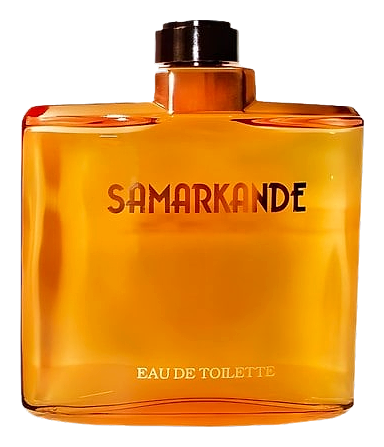
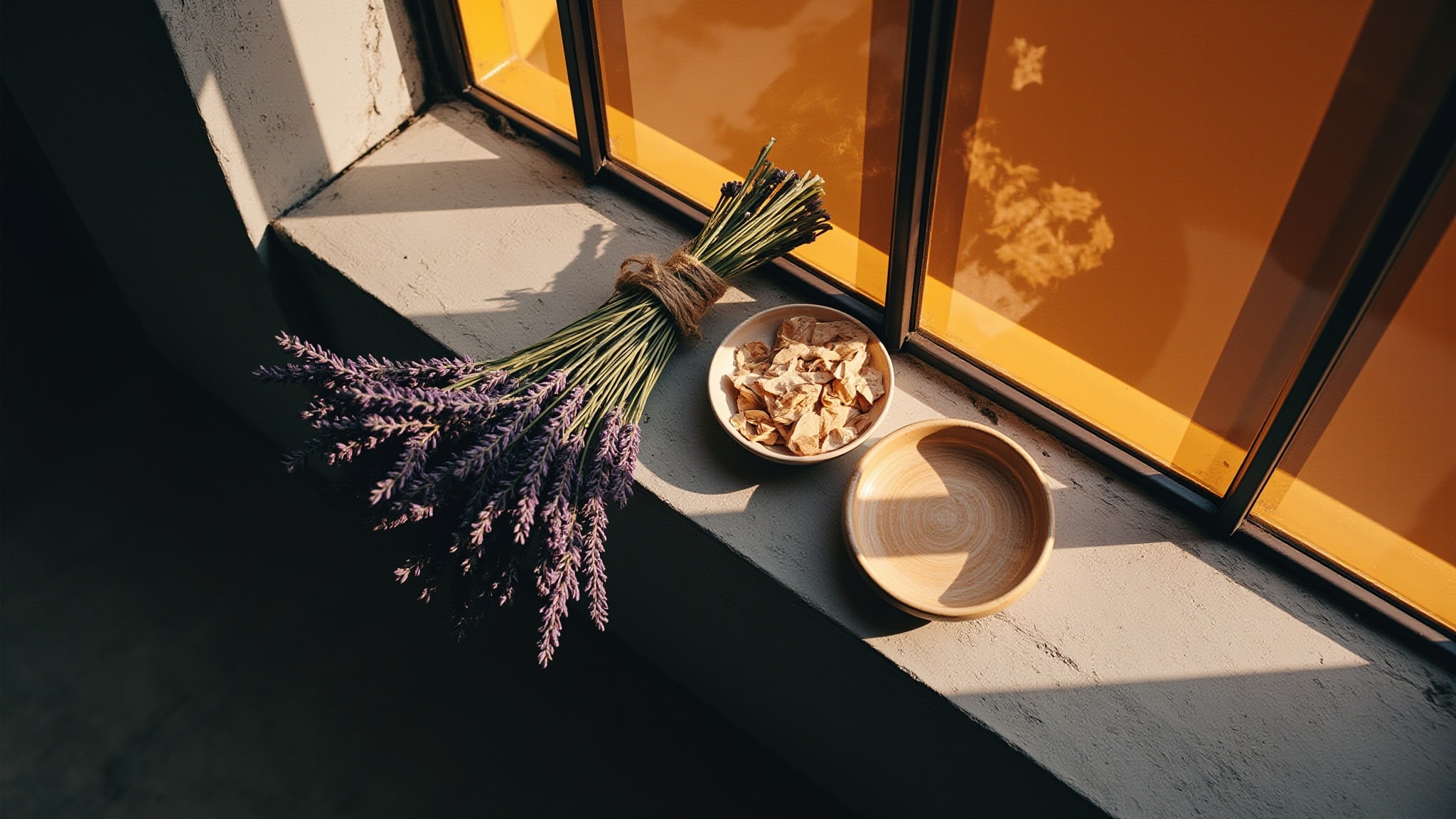
Samarkande evokes distant, windswept markets where merchants once gathered to trade rare spices and precious resins. The fragrance channels aromatic herbs and resins into a composition that feels both grounded and adventurous. The lavender and cedar form the backbone, with ginger and basil adding playful contrast, cool against warm, green against resinous. There's a crispness to the opening that speaks of sun-dried herbs, while the woody undertones ground the blend in something familiar yet mysterious. The name promises far-flung territory; the ingredients stay close to the earth. For Yves Rocher, a house built on botanical ingredients and Breton gardens, Samarkande represented an attempt to capture the spirit of distant lands through locally rooted olfactory materials.
What makes Samarkande's structure interesting is how the herbal layer doesn't sit still. Lavender opens crisp and cool, but the basil underneath adds a slightly bitter, green edge that prevents the composition from feeling soft. Geranium bridges the two, its rosy, minty character threading between the sharp and the smooth. Then comes ginger: not the explosive spice of cardamom or the heat of black pepper, but something quieter and more persistent, a warmth that builds rather than announces. The cedar and patchouli in the base don't compete with the herbal opening; they evolve it, taking what was bright and making it resinous, taking what was green and making it earthy.
The evolution
Lavender emerges first in the opening, followed closely by basil and geranium. The herbal entry feels cool and aromatic, with the geranium adding a subtle floral undertone that prevents the blend from becoming too austere. As the scent develops, ginger begins to surface, introducing a warm, slightly spiced quality that contrasts with the initial coolness without overwhelming it. The cedar gradually becomes more prominent, its Virginia character bringing a dry, slightly sweet resinousness that pushes the herbal notes toward the background while maintaining their presence as a supporting element. Patchouli arrives in the later stages, rounding out the composition with an earthy depth that anchors everything close to the skin. The base reveals cedar and a ghost of lavender, softened by patchouli into something that feels almost skin-like.
Cultural impact
Samarkande occupies an interesting position in masculine perfumery. It is aromatic and herbal in the traditional fougère sense, but it carries none of the aggressiveness that characterised certain masculine scents of previous eras. The composition emphasizes green, herbaceous qualities, lavender, basil, and geranium providing an aromatic freshness, while a confident cedar backbone and earthy patchouli keep the blend grounded and substantive. The ginger adds a subtle warmth that prevents the scent from feeling too austere.