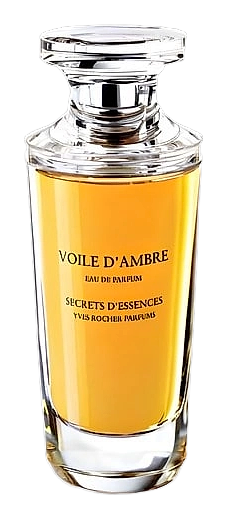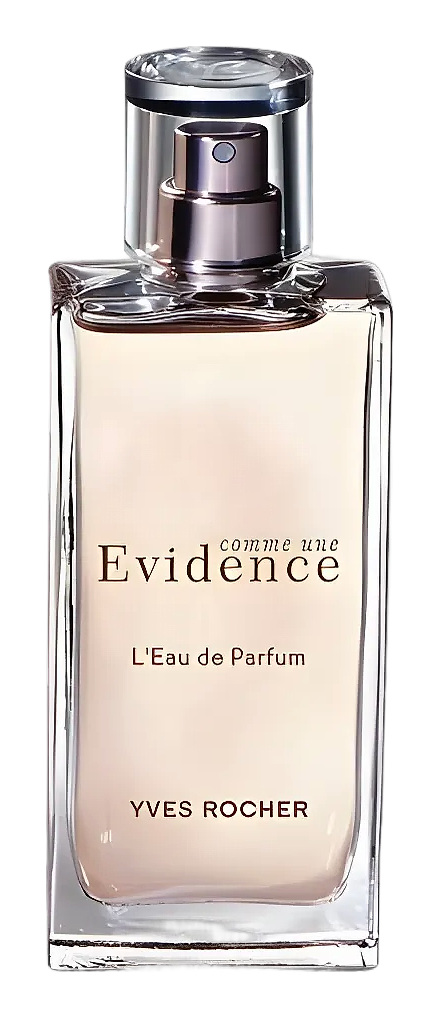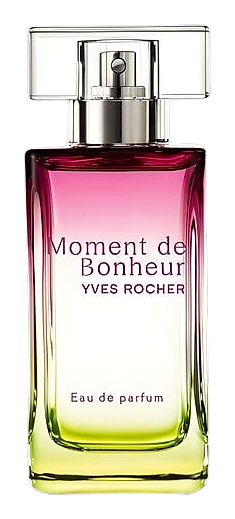

The Story
Why it exists.
The beginning
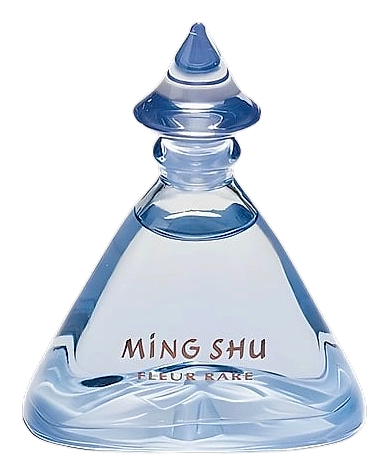
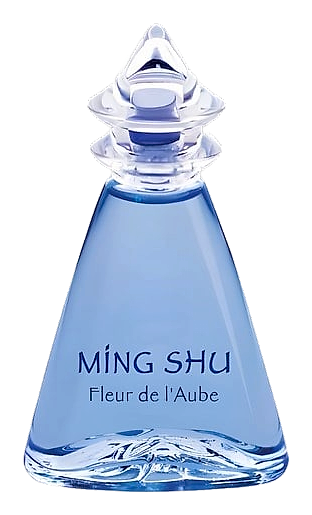
Ming Shu Fleur de l'Aube takes its name from the Ming Shu collection and the French for flower of dawn, a deliberate reference to that moment when morning light first breaks over water. The 2006 release was built around a single sensory idea: what does the air smell like at the edge of the sea when the world is still quiet? Sea salt, warm stone, the faint sweetness of something blooming nearby. That's the brief the perfumer was working from, and the result keeps that question open rather than answering it completely.
The note structure is quietly unusual. Water lily and ylang-ylang sit together in the heart, two yellow florals that don't behave the same way. Water lily is cool, almost transparent, like the scent of a petal floating on a pond. Ylang-ylang is warm, almost honeyed, tropical in a way that can tip into sweetness if it isn't held in check. Here they're balanced against a marine opening and grounded by sandalwood and vanilla in the base. The composition doesn't try to do too much with any single material. Instead, it keeps everything close to the surface, fresh, accessible, and a little hard to pin down.
The evolution
The opening hits fast, sea salt and black pepper arrive together, that bright maritime bite before the marine accord has time to dissipate. Thirty minutes in, water lily and ylang-ylang take over the heart. The yellow florals read lush against the cool aquatic start, which is where the fragrance earns its character. Then sandalwood and vanilla arrive in the drydown, soft, understated, barely there. The whole arc takes roughly 3-4 hours on most skin types. Moderate sillage means the drydown stays close, intimate, almost skin-like. The next morning there's almost nothing left. If you're looking for something that lingers, this isn't it.
Cultural impact
Launched in 2006, Ming Shu Fleur de l'Aube arrived during a period when aquatic florals were having a moment in mainstream perfumery. The composition fits within Yves Rocher's broader botanical positioning, plant-derived ingredients, accessible pricing, and a French sensibility that keeps things understated rather than loud. It's been discontinued, which has made it something of a quiet collector's item for those who remember it from summers past.