The Story
Why it exists.
The beginning
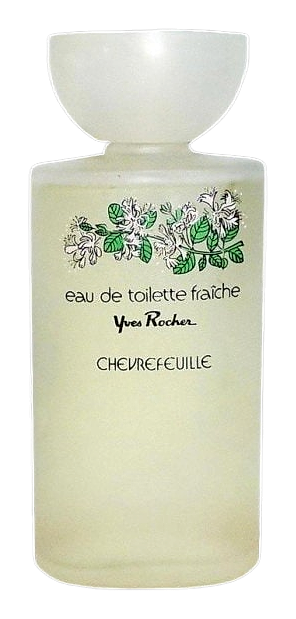
Chèvrefeuille launched in 1976. The name itself is the scent. Chèvrefeuille means honeysuckle in French, and the fragrance was designed to capture the plant at its most alive: tangled, sun-warmed, dripping nectar into the air of a July garden. There is no mythology here, no romantic fiction dressed around the bottle. The perfume leans into what the botanical world offers directly, unmediated and close to the source. A climbing vine. A specific flower. The decision to build an entire composition around one bloom, rather than a bouquet of competing florals, gives Chèvrefeuille a focused clarity that suits a fragrance built entirely around a single specimen. Honeysuckle here is not an accent or a fleeting gesture. It is the architecture, the walls, the roof.
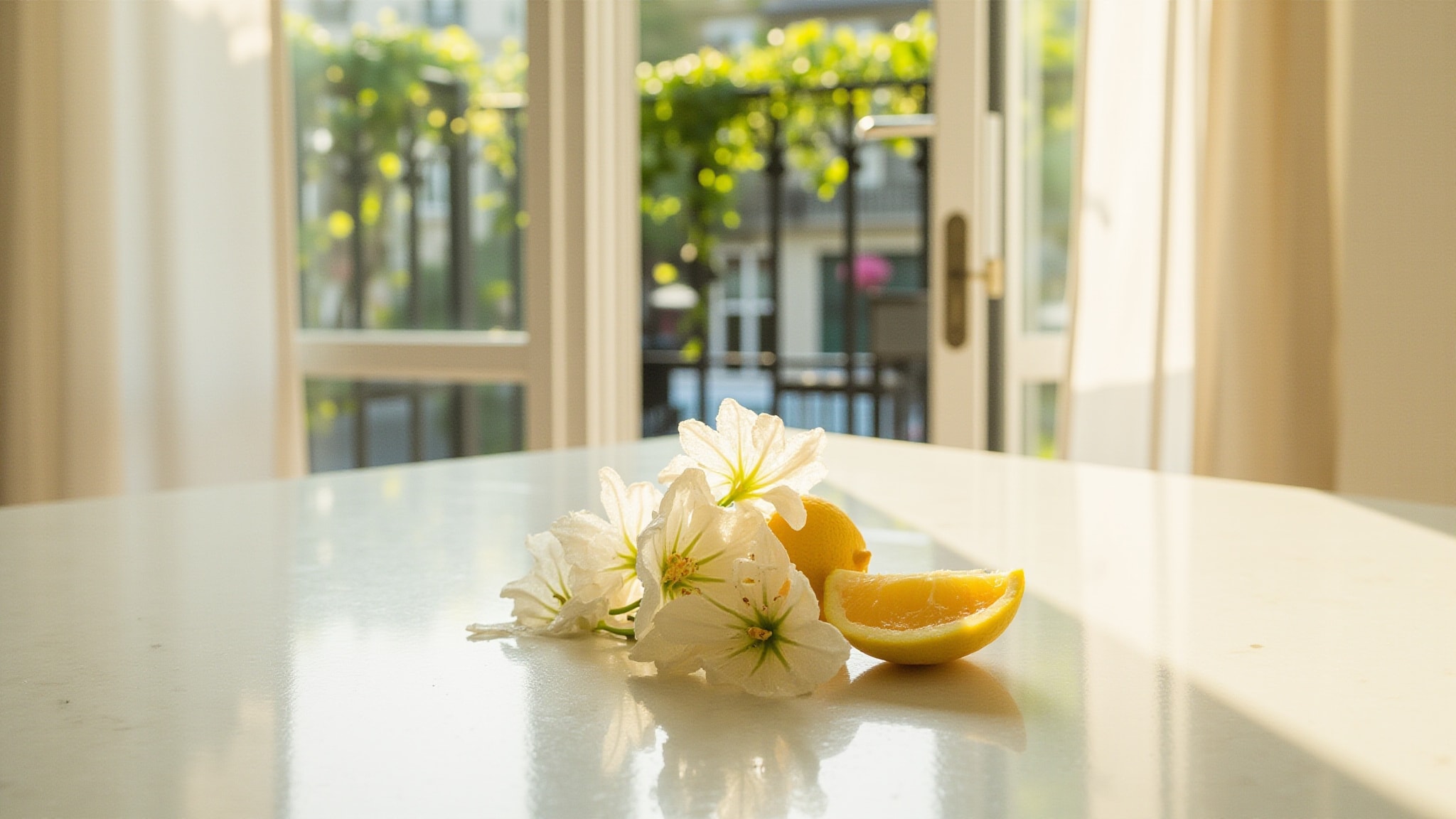
What makes the structure interesting is what the honeysuckle is surrounded by. The citrus opening of lemon and orange acts as sunlight on the petals, bright and brief, never sour. The juice of both fruits adds a clean, pithy snap that lifts the green of the honeysuckle before dissolving into the floral heart. The jasmine in the heart lends its indolic warmth, giving the honeysuckle a creamy undertone that rounds out the sharper edges of the citrus.
The evolution
On skin, the citrus arrives first but doesn't linger. Lemon and orange brighten the opening phase, almost like the scent of cutting into the fruit, sharp and clean. Then the honeysuckle steps forward, joined by jasmine, and the composition takes on a dewy, almost humid quality, like walking past a fence line where the vines have grown unchecked. This floral phase runs warm and steady, the jasmine lending a soft, almost indolic sweetness that keeps the honeysuckle from reading as synthetic or candied. The way the two florals braid together, jasmine curling through honeysuckle like smoke through leaves, gives the heart a complexity that a single-note soliflore rarely achieves. As the bloom settles, the green of the honeysuckle begins to soften, replaced slowly by the warmer, drier tones waiting underneath. The drydown is where the cedar and myrrh do their quiet work.
Cultural impact
Chèvrefeuille is a fragrance that takes a single flowering plant and treats it with the respect usually reserved for far more expensive compositions. It has earned comparisons to Cacharel's Anaïs Anaïs Flower Edition, and for good reason: both fragrances lean into a green, honeyed floral character that prizes the living plant over abstraction. Where many honeysuckle-themed scents drift into syrupy sweetness or generic white floral territory, Chèvrefeuille holds the line on green, staying closer to the vine than to the perfume counter.