The Story
Why it exists.
The beginning
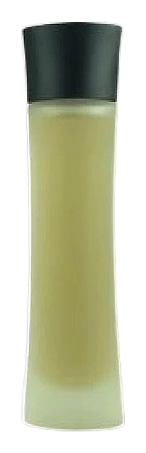
Fraicheur Vegetale Cedre Bleu arrived in 2004 as part of Yves Rocher's botanical line. The name translates loosely to "plant freshness, blue cedar," and the composition takes that promise seriously. Blue atlas cedar leads the composition, but it doesn't travel alone. Spicy, powdery, and sweet accords weave through the wood, giving it texture and dimension rather than letting it stand as a single botanical pillar. Wearers and reviewers have picked up traces of vanilla, amber, and other supporting notes that round out the cedar's sharper edges. The result is a fragrance that wears its botanical roots openly, cedar-forward but not cedar-only, built around the character of wood and then softened by the accords that follow.
Blue atlas cedar carries a cooler, more aromatic profile than common cedarwood, and that distinction matters here. Where standard cedar leans pencil-shaving and dry, blue atlas reads cooler and fresher, a clean character that doesn't rely on citrus or mint to achieve its lift. The perfumer lets this material breathe, building around it with complementary accords rather than burying it under competing notes.
The evolution
The opening is immediate. There's no fanfare, no citrus bridge, no softening introduction. Blue atlas cedar arrives already settled, like someone who's been in the room before you noticed them. For the first stretch of wear, the scent reads cool and almost minty in its brightness, with that distinctive pencil-fresh edge that well-distilled cedar gets. The wood feels clean, green-edged, closer to a forest morning than a lumber yard, and the supporting accords haven't fully surfaced yet. As time passes, the coolness begins to recede and the composition shifts. What emerges is warmer, rounder cedar with a faint sweetness underneath, not sugary, but the powdery softness that reviewers have flagged in the drydown.
Cultural impact
Fraicheur Vegetale Cedre Bleu occupies an unusual corner of the fragrance world, a cedar-forward composition built around botanical simplicity rather than mainstream complexity. It has since been discontinued, quietly remembered by those who wore it in the mid-2000s. Wearers describe it as straightforward and grounded: a woody scent for people who wanted cedar with enough softness around it to wear daily. It sits comfortably alongside other stripped-back woody compositions, sharing that instinct toward letting one strong botanical lead while the supporting accords do their quiet work in the background.