The Story
Why it exists.
The beginning
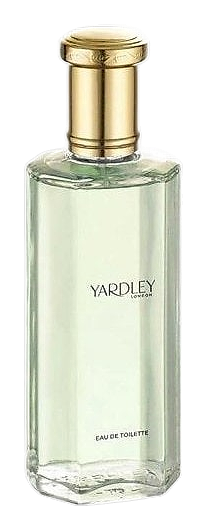
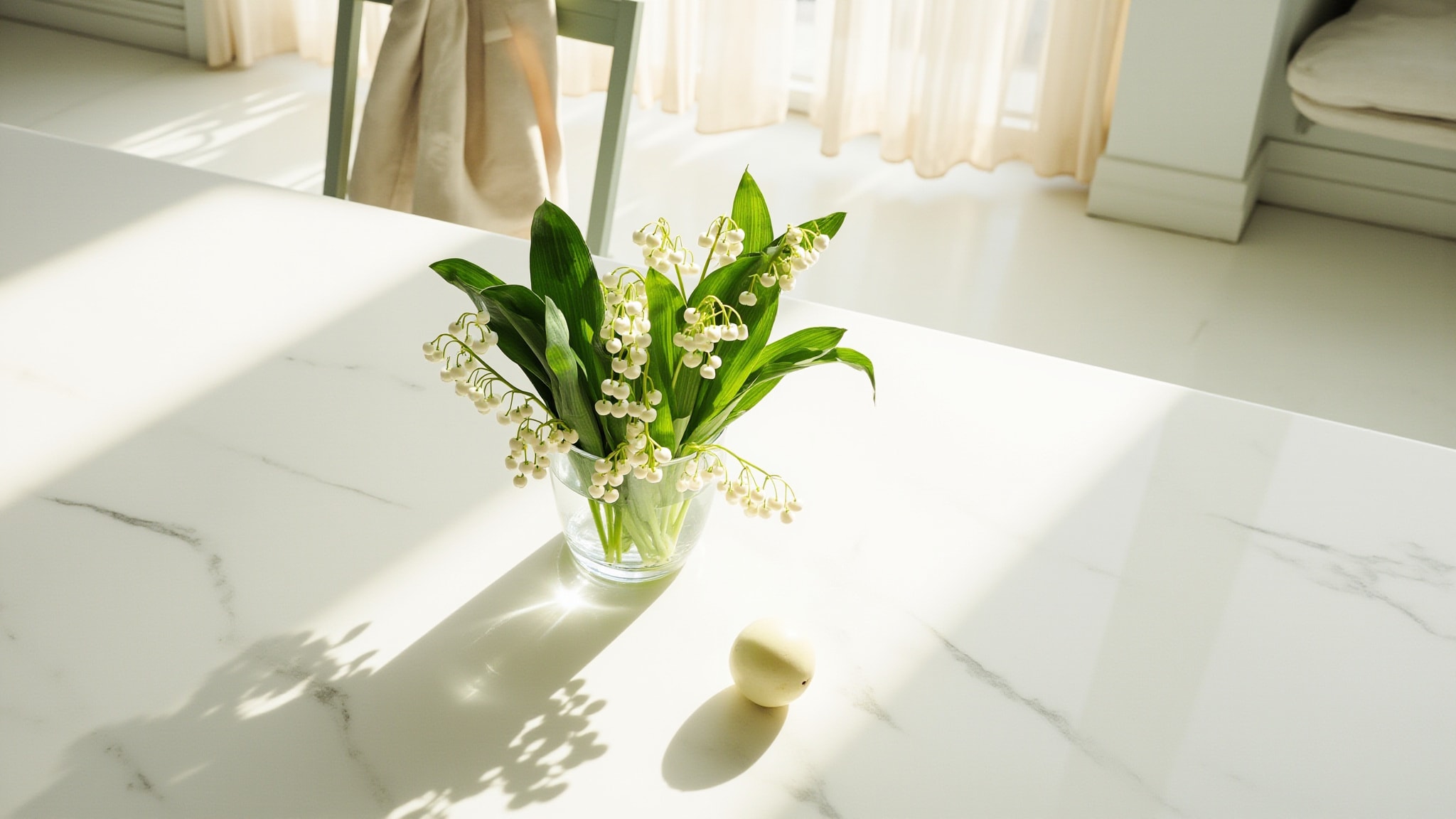
Lily of the Valley arrived in 1920, a time when perfumers were reimagining florals for a changing world. The post-war era brought a desire for lightness, freshness, and things that felt modern without being foreign. Yardley turned to one of the most beloved flowers in the English countryside, the tiny bell-shaped blooms that carpet woodland in May, and built a fragrance around its cool, green character. The goal wasn't opulence. It was a wearable translation of English garden beauty, made accessible to the woman who wanted something elegant without effort.
The green notes are the structural choice here, and they make all the difference. Rather than diving straight into heady white florals, Yardley built in that cool, dewy quality that keeps jasmine and gardenia from feeling tropical or overwhelming. The result is a lily of the valley that smells like the flower actually smells, not the abstract idea of it, but the real thing: green stems, fresh petals, a hint of soap. The pear top note adds a subtle fruitiness that modernizes it without turning it into something else. It's an English approach to florals: restrained, garden-fresh, never shouty.
The evolution
The opening announces itself quickly, cool, green, that pear note slipping in like a first impression. Within minutes, the lily of the valley dominates, surrounded by gardenia and jasmine in a bouquet that stays light and airy rather than rich. The green notes persist through the heart, providing structure and keeping the florals from cloying. As it settles, the jasmine softens and the soapiness fades into clean musk, that characteristic Yardley cleanliness that feels like freshly washed skin. The drydown lasts a few hours on skin, staying close and intimate. On clothes, it lingers softly, a quiet reminder. Spring and fall are its sweet spots, though it wears well on cooler summer evenings. As it fades, the green note returns briefly before dissolving into a soft, powdery whisper.
Cultural impact
Lily of the Valley sits comfortably in the lineage of accessible English florals, a category Yardley helped define. It's not trying to rival niche creations or luxury houses, it's doing something more difficult: being genuinely wearable, genuinely pleasant, and genuinely itself. The fragrance has found its audience among those who want something clean and floral without drama.