
The Story
Why it exists.
The beginning
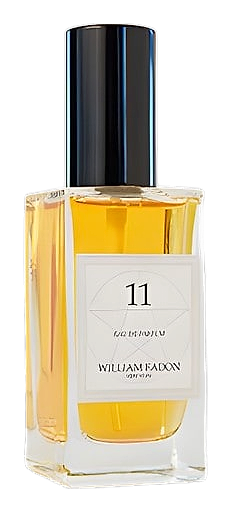
No. 11 is composed of natural essential oils and extractions, each element weighed and placed with intention. The fragrance sits within a numbered series rather than carrying a traditional name, an editorial choice that keeps the focus squarely on what the scent does rather than the lifestyle it might sell. William Eadon approaches each release as a deliberate object, built carefully and issued without urgency. Every bottle carries the weight of its making, from the raw materials through the final composition, so what arrives in your hand reads as something considered rather than mass-produced. The numbered format strips away expectation, leaving only the work itself to be judged on its own terms.
What makes No. 11 unusual is the way it builds its heat. Anise leads the composition, and that opening choice sets the entire trajectory. Olibanum and elemi lay a resinous ceiling underneath, and the jasmine-ylang-honeysuckle trio pushes sweetness into something tropical and slightly narcotic. Rosewood (palisander) sits in the middle as a bridge between floral and wood, carrying the pink into the dark. Ambergris, ISO-E-Super, and musk do the modern work in the base, giving that sandalwood-cedar-patchouli foundation a cleaner, more transparent edge.
The evolution
The opening belongs to anise, black and sharp with an almost medicinal edge, while elemi adds a lemon-pepper brightness that keeps it from collapsing into weight. This phase announces itself, so anyone within arm's length knows you're wearing something. As the composition breathes, the licorice recedes and the florals surface. Ylang-ylang opens first, tropical and banana-skin lush, then jasmine threads through with its warm indolic presence, and honeysuckle adds a honeyed sweetness that keeps the whole heart from going too sultry. Palisander rosewood arrives quietly in the middle, giving the florals a woody spine that grounds their sweetness. Eventually the composition shifts downward. Olibanum and frankincense settle in, warm and resinous, and the base starts to take over.
Cultural impact
No. 11 earns attention by leading with anise, a note many compositions treat as accent rather than foundation. The resin and incense elements unfold best in transitional seasons when the air carries enough moisture to let them breathe, and community wear data places spring at the top for when this scent gets pulled from the shelf. It's the kind of fragrance that attracts compliments from people who already know what they're smelling, rather than strangers asking what's on your neck.