William Eadon
William Eadon built his creative life in multiple registers long before fragrance entered the picture. For roughly two decades, he worked alongside designer Cynthia Rowley, shaping collections and visual identity from behind the scenes. He also developed parallel careers as a photographer and musician, moving easily between disciplines and soaking up the visual languages of fashion, sound, and the Brooklyn art world where he is based. Fragrance arrived as another outlet for the same restless curiosity, an extension of his image-making rather than a departure from it. His work in scent grew from an instinct that perfume, like photography or design, is a medium for mood and memory. The line he composes sits at the intersection of fine art and personal style, formulated with natural essential oils and extractions, supplemented where necessary by unique molecules that nature simply does not provide.
The hits
Notable creations
The signature
How William composes
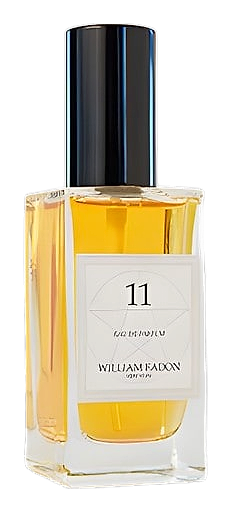
Eadon's compositions favor natural essential oils and extractions as their backbone, balanced by what he calls unique molecules, synthetic materials chosen to complete a structure rather than imitate a flower. He numbers his releases, treating each fragrance as a distinct chapter rather than a member of a themed collection. His visual sensibility, sharpened over years of fashion design and photography, informs how he conceives scent in terms of contrast, restraint, and image. The scents tend to feel curated rather than layered, intimate in scale, and unmistakably tied to the maker's eye.
Philosophy
What drives William
Eadon treats fragrance as a portrait of a moment, a place, or a feeling, the way a photograph captures light. He is drawn to the idea that a single scent can hold an entire scene, distilled into something wearable. His approach values honesty over trend, preferring raw natural materials and letting them speak in their own register. Where nature leaves a void, he reaches for singular molecules that fill the gap without mimicry, keeping each composition transparent in its construction. The result is work that feels authored rather than assembled, with each numbered release acting as a quiet diary entry rather than a commercial statement.
The houses