
The Story
Why it exists.
The beginning
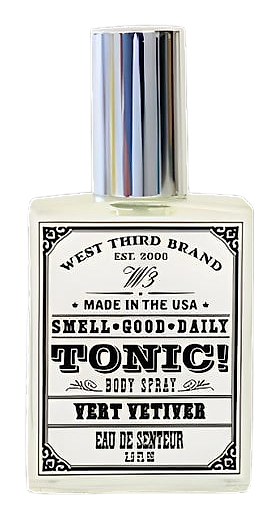
Vert Vetiver launched during the 2010s from the West Third Brand studio. The nose behind it is Michael Loring Probst. Vert Vetiver was born into the Smell Good Daily collection, a series built around straightforward, wearable compositions, the kind that earn their place in a weekly rotation rather than a vanity shelf. The studio works on a small scale, which shapes how each fragrance gets handled: every bottle moves through the hands of someone who chose to be there, working with care rather than chasing volume. That kind of attention to the work is part of why Vert Vetiver reads bright rather than blunt, clean rather than clinical.
The interesting thing about this composition is how firmly it refuses to pick a side. Most vetiver fragrances lean earthy, mineral, even smoky. Vert Vetiver keeps the green and mineral facets of vetiver but pairs them with Sicilian bergamot, lemon, and grapefruit, a combination that brightens the root material into something almost luminous. The white lily in the heart softens the citric snap without veering into soapiness, and the fennel adds an anise-edged lift that keeps the citrus from going flat. Cedarwood grounds it, patchouli adds a quiet earthiness without taking over, and a thin layer of musk closes the drydown. It is a study in restraint, and the restraint is what makes it work in the heat.
The evolution
It opens loud for the first stretch: Sicilian bergamot and grapefruit cut sharp, lemon threading underneath, almost cologne-like in its clarity. That bright top fades gradually before the vetiver takes over, pulling the citrus down into something greener, cooler, rootier. The white lily arrives quietly soon after, not a full floral bloom but a clean waxy softness, and the fennel adds a faint anise whisper that keeps the whole thing from going heavy. After a while it settles into a vetiver-cedar-patchouli spine, the lily and citrus now memory rather than presence. The drydown is where this one earns its quiet reputation: vetiver and cedarwood resting on a thin skin of musk, still present well into the later hours, close to the skin rather than radiating outward. The transition from top to heart feels deliberate, as though each note knows when to step forward and when to recede.
Cultural impact
Vetiver is a grass whose aromatic roots have made it one of perfumery's most enduring base materials. The plant itself is unassuming above ground, a tall, dense grass that looks much like any other, but beneath the soil its root system carries the complexity that perfumers prize. Those roots hold an earthy, smoky, almost mineral density that anchors compositions across masculine, unisex, and increasingly feminine categories.