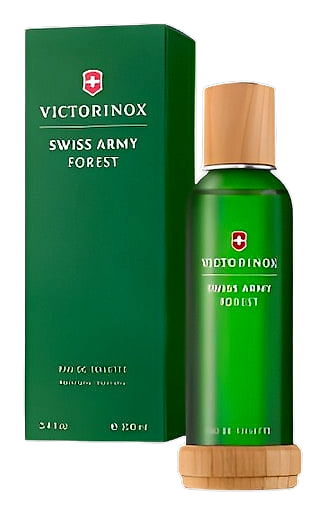

The Story
Why it exists.
The beginning
Victorinox built its name on tools that work without ceremony. Swiss Army Forest follows the same logic. Released in 2012 by perfumers Fabrice Pellegrin and Jean-Pierre Béthouart, this was a fragrance for someone who spends time outdoors and doesn't need to announce it. The brief wasn't novelty, it was reliability. A scent that works as well on a Monday morning as a Saturday trail, without drawing attention to itself. The forest isn't metaphorical here. It's the actual reference point: pine, cypress, cedar, the smell of conifers after rain. Victorinox had spent over a century proving that function didn't require flash. This fragrance carried that same argument into perfumery.
What makes Swiss Army Forest interesting isn't the individual notes, it's how they distribute. The opening doesn't hit bright and recede. Juniper and lemon arrive crisp, almost conifer-like in their sharpness, then hand off to a heart of cedar and clary sage that grounds the composition with quiet herbal warmth. The violet leaf gives the heart an unexpected green edge, not floral, but alive. By the time the base arrives, the scent has already settled into something that feels inevitable rather than constructed. Pine and cypress bring the conifer authenticity, while oakmoss ties everything to the forest floor. It's a carefully calibrated progression from air to earth.
The evolution
The opening announces itself cleanly, juniper and lemon arrive sharp, almost cold, like stepping from a cabin into morning air. That brightness doesn't last. Within the first hour, cedar takes over and the character shifts from crisp to warm. The heart holds for several hours before pine and cypress arrive in the drydown, slowly releasing that resinous conifer quality that clings to skin and fabric. Oakmoss anchors the base, giving it an earthy finish that feels natural rather than constructed. On most skin types, expect 4-6 hours of wear with moderate sillage, present but not projecting. The drydown lingers close, the kind of scent someone notices only when they're already beside you.
Cultural impact
Swiss Army Forest attracted a specific kind of wearer: someone who wanted a reliable, masculine scent without the performance of niche perfumery. It never achieved cult status, but it built a quiet following among men who appreciated its straightforward approach. Discontinued now, it remains a sleeper pick for those who want conifer authenticity without the complexity.
The House
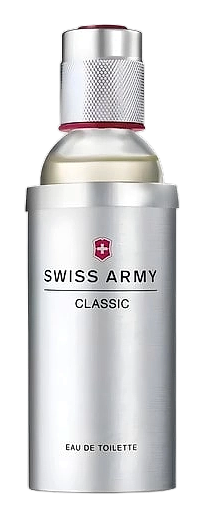
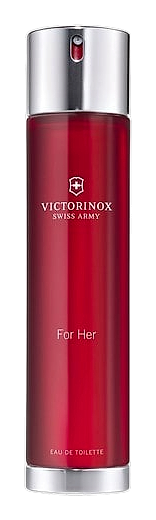
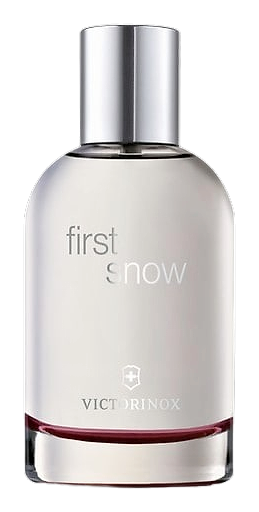
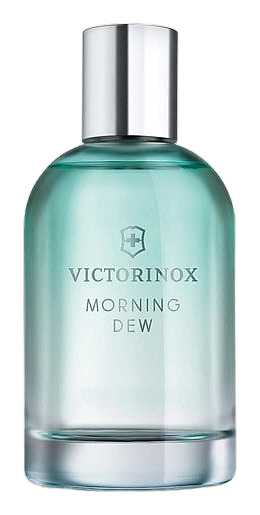
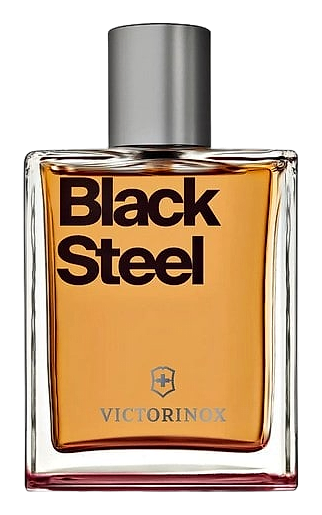
Victorinox Swiss ArmyVictorinox Swiss Army extends the legacy of the renowned Swiss knife maker into the world of fragrance. Based in Ibach, Switzerland, the company creates scents inspired by Alpine landscapes, clean mountain air, and the functional clarity that defines the Victorinox brand. The fragrance line launched in 1997, building on over a century of craftsmanship expertise from the company that originally invented the Swiss Army Knife. Fragrances like Swiss Army for Men, Black Steel, First Snow, and Morning Dew reflect the brand's approach to perfumery: straightforward, honest compositions that evoke crisp mountain mornings and open-air clarity. The company collaborated with perfumers including Daphné Bugey and Coralie Spicher, creating scents that range from fresh and aquatic to warm and woody, all carrying the practical elegance associated with the Victorinox name.
The Creator
Fabrice Pellegrin & Jean-Pierre BethouartPellegrin's style often leans towards a bright, fresh feel, frequently incorporating citrus notes and clean musks. He's known for his skill in creating light and airy fragrances, yet with surprising depth and longevity.