The Story
Why it exists.
The beginning
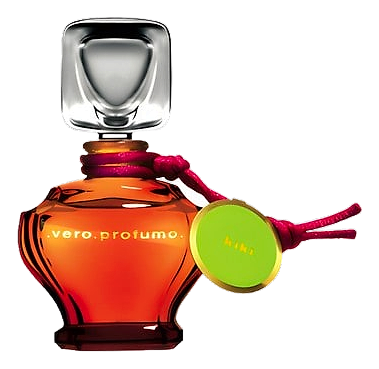
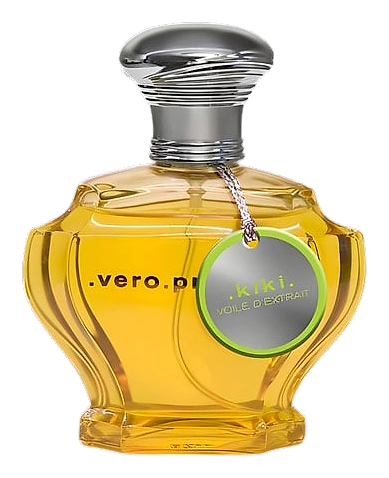
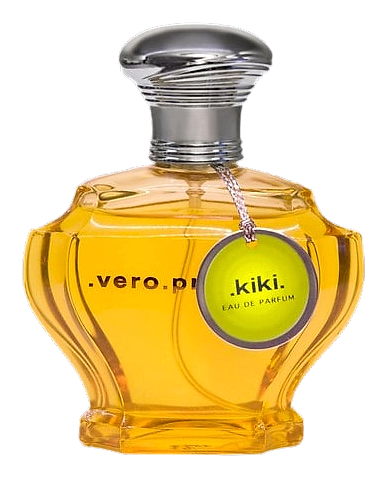
Kiki takes its name from Kiki de Montparnasse, artist, muse, and fixture of the Paris avant-garde in the 1920s. Man Ray photographed her obsessively. She modeled, painted, and carved out a space in cultural history that had no room for her at the time. When Vero Kern chose the name for her 2007 extrait, the intent was clear: a fragrance for the woman who arrives on her own terms. The EDP followed in March 2010, repositioning the original composition to foreground its top notes while keeping the spirit intact. Kern herself described the process as structural rather than dilutive, an EDP needs different architecture, not a watered-down version of the extrait.
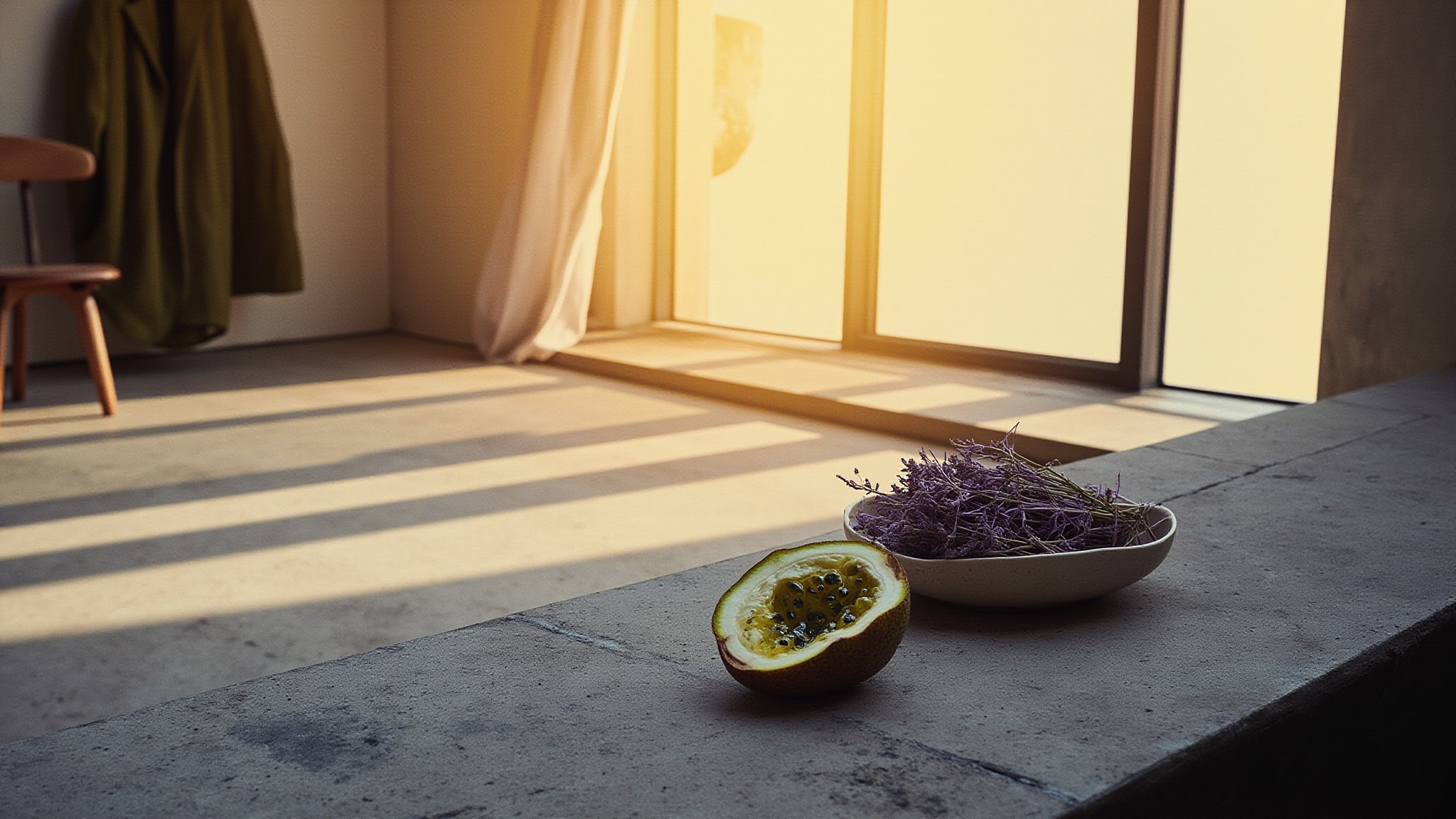
The note combination is what makes Kiki unusual. Passionfruit, tart, tropical, faintly fermented, isn't a common perfumery material. It shows up in niche compositions precisely because it behaves differently than other fruits. Rather than projecting bright sweetness, it carries a slightly animalic edge that Vero Kern recognized as erotic rather than pleasant. She replaced the original animalic notes with passionfruit, giving Kiki a sensuality that comes from an unexpected source. French lavender does the heavy lifting in the heart, camphorated, herbal, green, while geranium adds a rose-like softness that keeps the composition from becoming medicinal.
The evolution
Passionfruit opens bright and tart. Tropical in a way that catches you off guard. The bergamot and citron add a citrus lift that lasts longer than expected, keeping the top phase airy and bright before the herbal core arrives. The transition to lavender isn't gentle, it arrives with force, green and camphorated, the geranium threading through with a soft floral undertone. This is the phase that divides people: some find it medicinal, others find it bracing. The drydown is where Kiki earns its reputation. Caramel arrives quietly, not as a sugar rush but as something warmer, almost smoky. Musk and patchouli anchor it to the skin, keeping the whole composition intimate rather than projecting. Eight to ten hours on most skin types. The drydown stays close, almost whispered. The passionfruit that opened bright has left a trace, a fruity sweetness buried under caramel and green that you only notice if you're paying attention.
Cultural impact
Kiki arrived in 2010 as an outlier. Fruity-floral compositions dominated that era, along with heavy oriental bases. Kiki chose neither, pairing passionfruit with lavender in a way that felt neither mainstream nor avant-garde. The niche fragrance community has since recognized it as a cult favorite, appreciated for its unusual combination and its willingness to be divisive. The 2010 launch date places it at the beginning of the niche fragrance boom, before the category became crowded with limited editions and celebrity releases. For collectors, Kiki represents an earlier moment in niche perfumery, when the goal was still to create something personal rather than marketable.