The Story
Why it exists.
The beginning
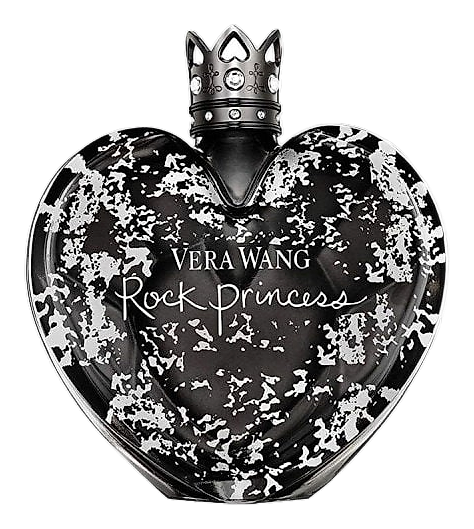
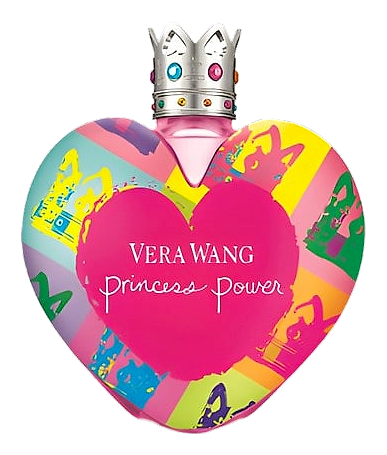
Jean-Marc Chaillan composed Princess Power in 2014 as an extension of Vera Wang's Princess line. The brief was clear: make young women feel effortlessly glamorous without the weight of formality or complexity. Where other flankers in the collection leaned into darker edges or rock attitudes, Princess Power doubled down on cheer, a fruity-floral that translates casual confidence into scent. The result smells like a person who didn't plan their outfit too carefully but somehow got it exactly right. No trying. No performance. Just presence.
The structure here is deceptively simple. Pear and raspberry open bright and juicy without veering into candy territory. The jasmine and rose heart keeps things romantic without tipping into old-fashioned territory. What makes it distinctive is the frangipani, tropical, slightly exotic, and unusual for a mass-market release in 2014. Most fruity-florals of that era leaned on standard gardenia or tuberose. Frangipani suggests something sunnier, more specific, almost literal: the smell of a warm evening that doesn't need justifying. Blonde woods and vanilla then round the whole thing into something soft and powdery that stays close to the skin long after the initial brightness fades.
The evolution
The opening hits quickly, pear and raspberry arriving together in something bright and immediately likeable. No hesitation. No top note that needs to breathe before revealing itself. The apricot blossom note adds a whisper of floral undertone, but the fruit keeps control for the first few minutes. Then jasmine and rose move in, softening everything into warmth. The frangipani is the surprise here, slightly exotic, less common than gardenia or tuberose in mass-market releases, and it keeps the heart from reading as generic. This phase holds for an hour or two before the drydown arrives. Vanilla and musk settle close, almost intimate. The blonde woods keep it from becoming too sweet. On most skin types, this reads strongest in the first two hours, then fades to a soft powdery warmth that lingers another hour or two. Moderate sillage, you'll smell it if you're close, and that's exactly the point.
Cultural impact
Princess Power joined a growing Princess sub-collection in 2014, a period when many fashion houses were releasing whimsical flankers designed for younger demographics. The cheerful fruity-floral profile positioned it as an everyday alternative to the brand's more formal mainline scents.
The House
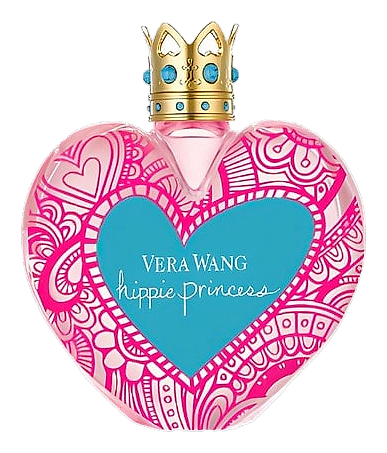
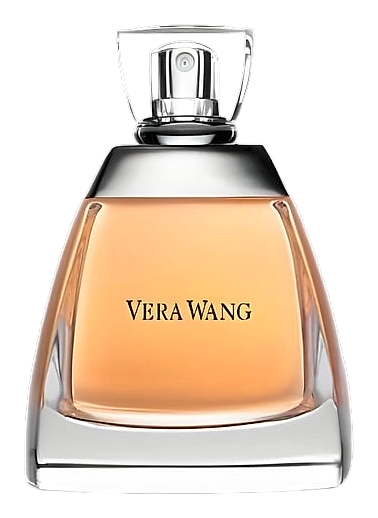
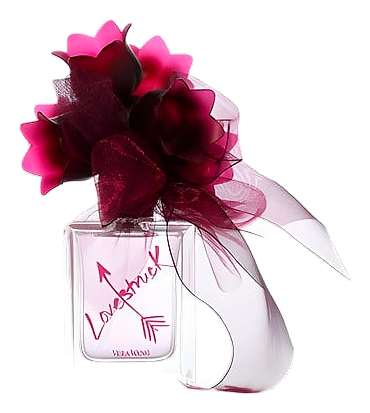
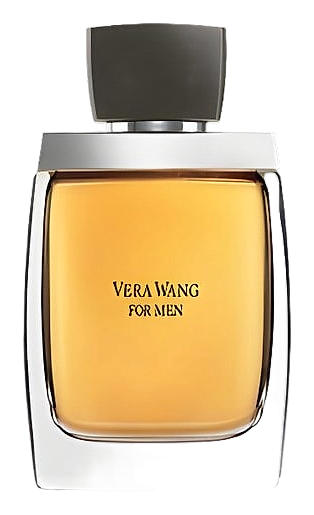
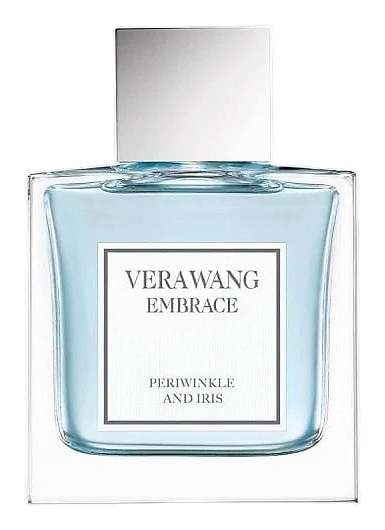
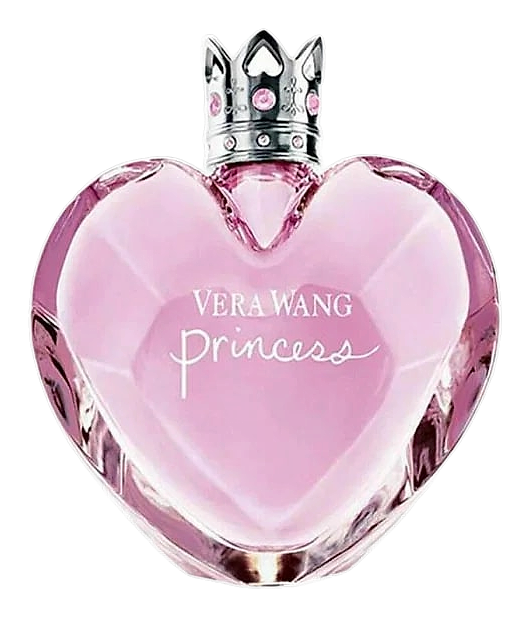
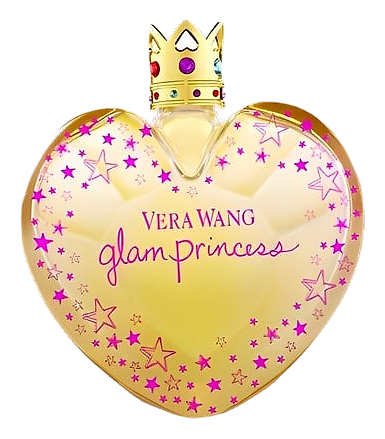
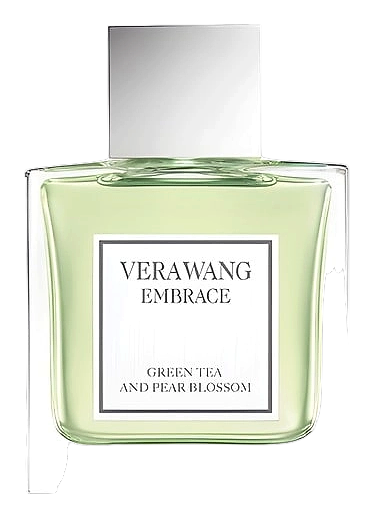
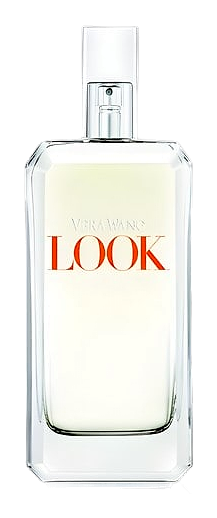
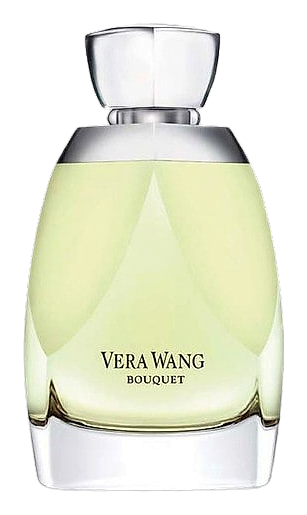
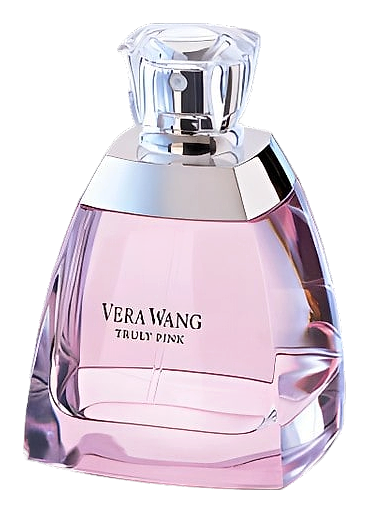
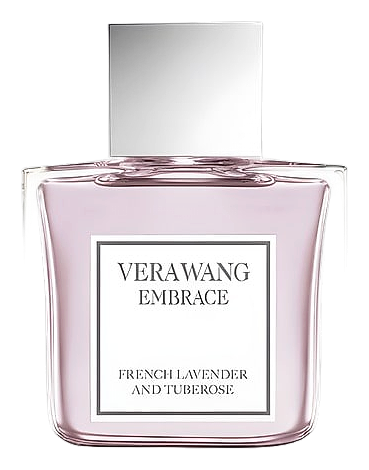
Vera WangVera Wang began as a bridal designer and grew into a lifestyle brand that includes ready‑to‑wear, accessories, home goods, and a line of fragrances. The perfume portfolio launched in 2002 with a floral scent created by Jean‑Claude Delville and Harry Fremont, and it now spans whimsical editions such as Hippie Princess (2015) and the recent Love Eau de Parfum (2025). Each fragrance reflects the brand’s blend of romance and modern edge, offering women a way to wear a signature moment beyond the aisle. The collection remains anchored in the designer’s reputation for clean lines, meticulous detail, and an unapologetic sense of personal style.
The Creator
Jean-Marc ChaillanJean-Marc's olfactive fingerprint is unmistakable: sweet and sultry notes woven with the warmth of bodily musks and oriental depths. His Latin-inspired creations carry a sensual warmth that distinguishes them from cooler, more clinical compositions.