The Story
Why it exists.
The beginning
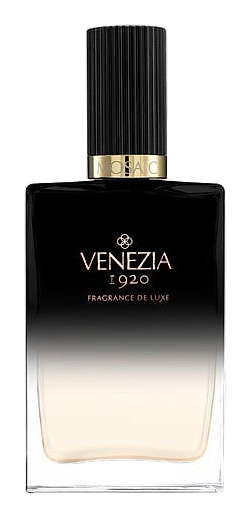
Mosaic takes its name from the gilded mosaics inside the Basilica of San Marco, the visual shorthand for Venetian wealth during the Serenissima Republic. The fragrance is a translation of those tessellated surfaces into scent, each tile a different raw material shipped through the Mediterranean trade routes Venice once controlled: silk, spices, the dense and weighty cargoes that built fortunes and shaped taste across centuries. Perfumer Roberto Dario composed it in 2023 as a kaleidoscope built from contrast, something sweet set against something raw, something warm opposed to something metallic. The interplay between sweetness and austerity gives the composition its center of gravity, a deliberate friction that keeps the accord alert rather than settling into a single mood.
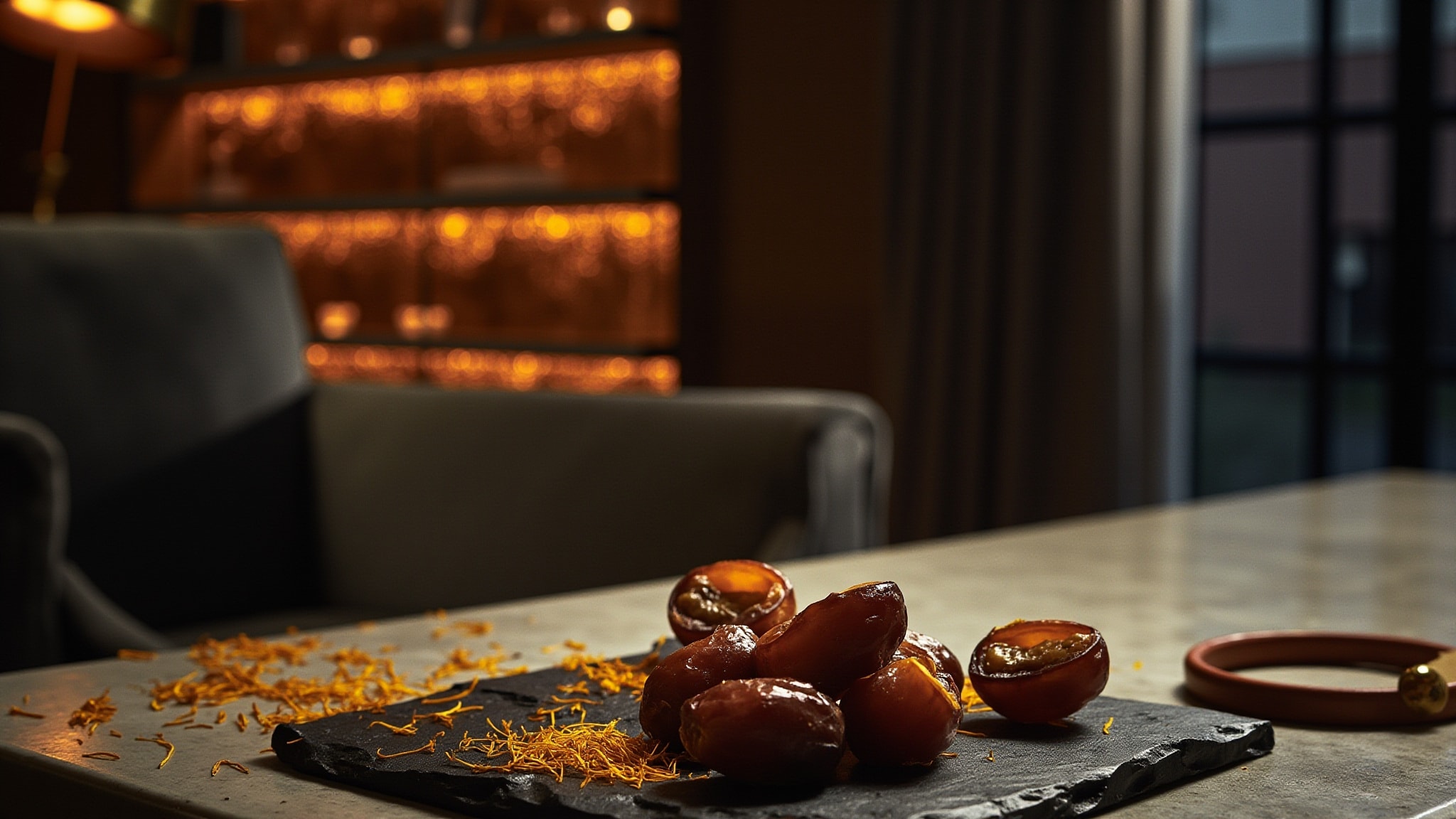
The composition earns its name through genuine opposition rather than simple range. Date as a top note is unusual in fine fragrance, a material more common in gourmand kitchens than in Italian perfumery, and it sets up the central tension immediately: food versus material. Leather and saffron in the heart are a spicy, slightly metallic pairing that fights against the date's sweetness rather than supporting it. The sandalwood acts as a bridge, softening the friction into something wearable. The accord reads as textured rather than soft, each ingredient retaining its own grain.
The evolution
The dates arrive first, sticky-sweet and faintly resinous, the way they smell when they're just past fresh. The leather begins threading in early, not as a jacket or a saddle but as something thinner, almost papery, brushed with saffron's metallic curl. The first phase belongs to this negotiation, sweet versus dry, and the fragrance refuses to settle the argument. As the hours pass, the sandalwood takes over the middle, smoothing the transition into the base with its quiet creaminess. Benzoin arrives warm and faintly vanillic, not as a comfort note but as a glaze over the leather, keeping it dark rather than dusty. The musk settles last, soft and close, pulling everything inward toward the skin. The drydown settles into a close warmth, the benzoin still resinous and faintly sweet, the saffron leaving a metallic trace that hums beneath the surface.
Cultural impact
Wearers reach for Mosaïc when they want something that reads sweet on paper but doesn't behave sweet on skin. The date note is a distinctive choice, and it does much of the work in making the composition feel unexpected. There's a sticky warmth at the opening that quickly meets the leather's dry structure, and that meeting point is where the fragrance finds its identity. The saffron's metallic curl threads through the heart, adding a faintly mineral brightness that keeps the fruit from settling into something too soft.
The House
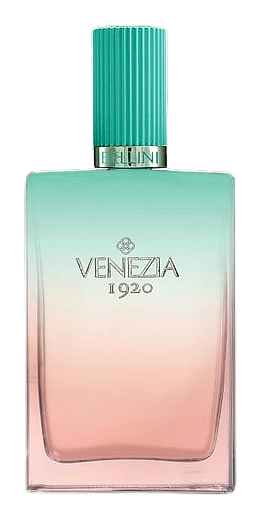
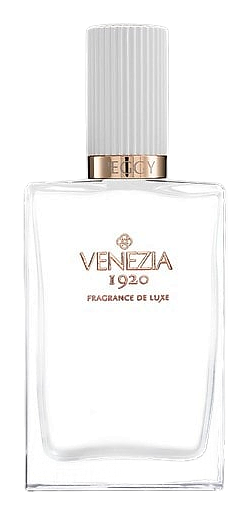
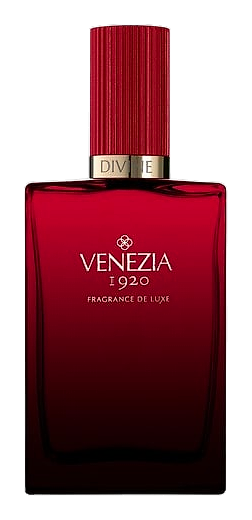
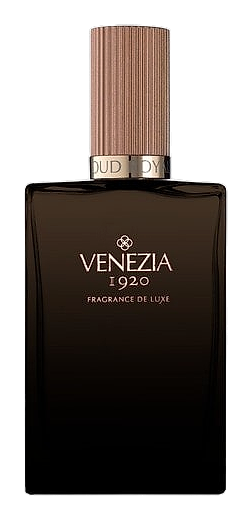
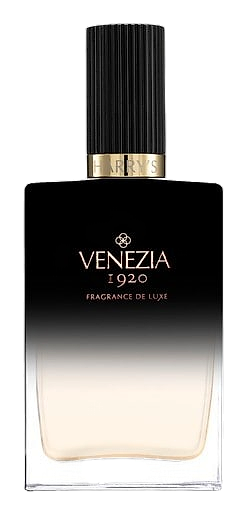
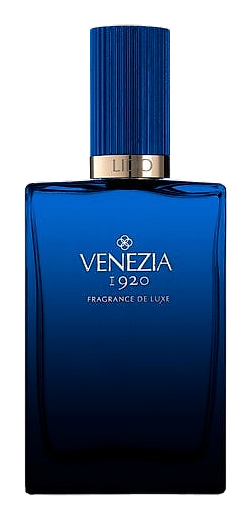
Venezia 1920Venezia 1920 is an Italian fragrance house that channels the atmosphere, glamour, and cultural richness of Venice during the 1920s. The brand creates perfumes designed as olfactory narratives, each drawing from the aesthetics, social life, and sensory world of that specific historical moment. Founded by Gianluca Zin, the collection spans multiple fragrance families from oud-based compositions to lighter floral interpretations. The brand operates from Italy, positioning itself at the intersection of historical storytelling and contemporary perfumery.
The Creator
Roberto DarioNatural materials define Dario's style. He works primarily with botanical ingredients, sourcing and combining them with a chemist's understanding of their properties.