The Story
Why it exists.
The beginning
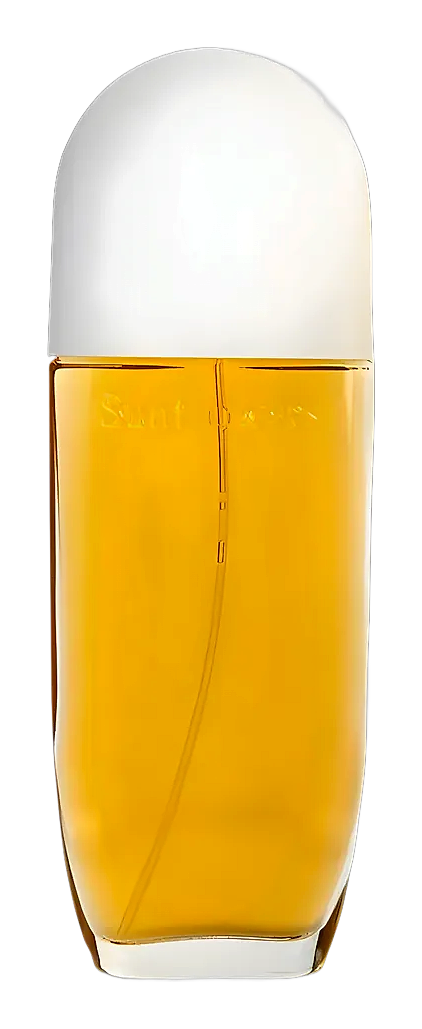
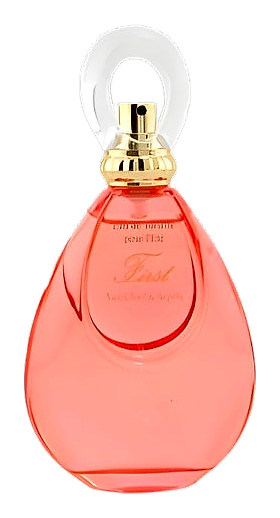
First Pour l'Été arrived as a summer limited edition in 2001, a lighter, more spontaneous take on the house's legendary First. Where the original composition built complexity through layers, this one stripped things back. The name says it all: Pour l'Été. For summer. The fragrance was conceived as a warm-weather companion, something that would feel effortless when heavier scents become oppressive in the heat. It captures the season's ease and brightness, translating it into a composition that wears easily and breathes well when temperatures rise.
The tension here lives in the aldehydes. They're cool by nature, soapy, almost mineral, but the white florals keep them warm. Peony doesn't arrive all at once. It drifts in quietly, followed by lily, then rose. The aldehydes become the quiet architecture underneath, holding the florals in place so they don't go loose or wild. It's composition as restraint: less going on than you might expect from a luxury house, but what IS there, refined and purposeful.
The evolution
The opening is the briefest chapter. Mandarin and cassis arrive crisp and tart, the aldehydes already whispering underneath like cold water over stone. Thirty minutes in, the citrus has receded and the florals take over, peony first, then lily, then rose in a gentle, unhurried sequence. The aldehydes don't disappear. They shift from sharp to silky, from cold to warm, becoming the soap-bubble quality that holds everything together. By the second hour, the mandarin is gone entirely. What's left is florals and aldehydes, clean and close. The drydown belongs to amber and cedar, warm, quiet, barely there. The aldehydes persist longest, settling into skin like a memory of clean sheets. The composition offers moderate longevity, a reliable presence that transitions gracefully through its stages without demanding attention.
Cultural impact
First Pour l'Été occupies a quiet corner of fragrance culture, a summer scent that has become harder to locate over time. Its aldehydic-white-floral character recalls an older elegance, the kind of composure that reads as timeless rather than dated. The discontinued status and limited availability have made it increasingly rare for those who seek it out, adding to its quiet appeal among enthusiasts who appreciate its distinctive character.