The Story
Why it exists.
The beginning
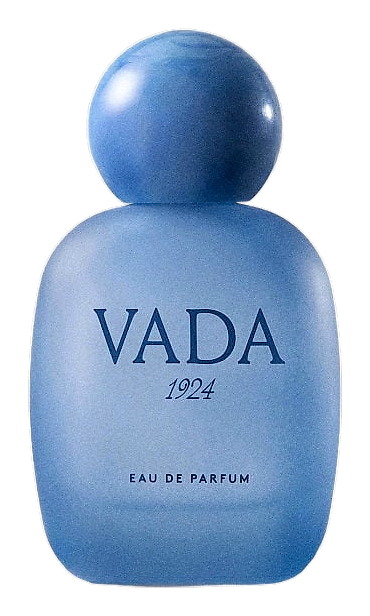
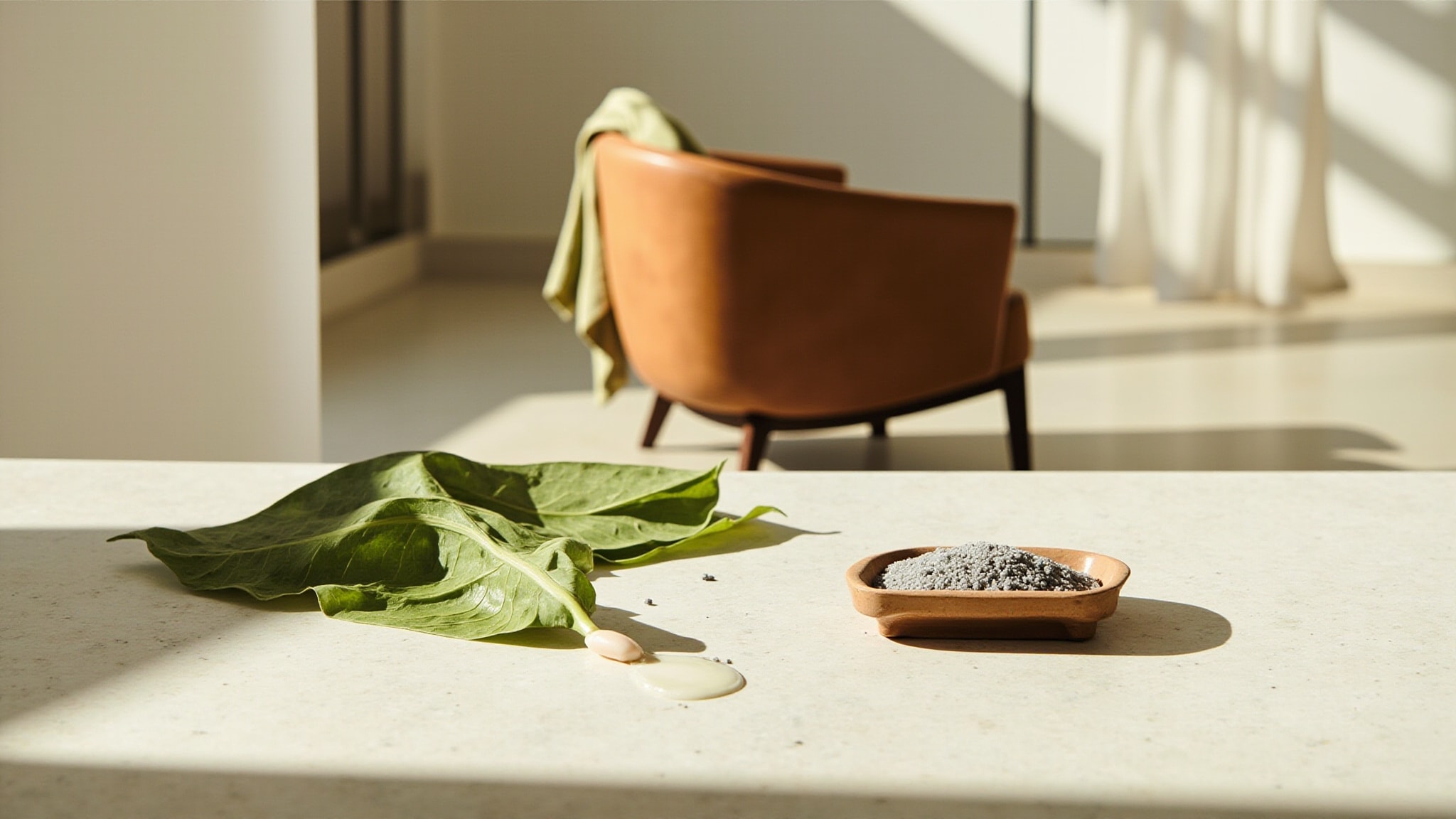
1924 came together as part of VADA's debut trio. The composition leans into tension between fruit and structure, softness and backbone. Bergamot and green fig provide something approachable and bright, almost easy, before white leather pulls the whole thing toward something more deliberate. The opening reads like a conversation between two very different kinds of freshness: the sharp, slightly bitter lift of bergamot, and the vegetal, almost leafy quality of green fig. There is nothing jammy or overtly sweet about the fig here. It sits closer to the smell of a fig still on the branch, cool and faintly vegetal, with that pale latex scent you catch when you pick one too early. White leather arrives quickly, threading through the fruit rather than waiting for a traditional drydown.
Green fig is an unusual top note, most often swapped for sweeter, more obviously fruity alternatives. Choosing the green version means betting on a vegetal freshness that reads almost like crushed leaves rather than fruit. Pairing it with white leather keeps the leather accord from going heavy. And salt at the base does what salt does to food: it makes every other flavor around it more itself. The structure is built around contrast, not accumulation.
The evolution
The first ten minutes belong to the fig. Green, slightly milky, with bergamot cutting through like citrus rind squeezed over something ripe. It reads fresh but not watery, more like biting into a fig still warm from the sun than anything processed or perfumey. The bergamot is sharp enough to keep the fig from going too green or too vegetal, and together they create an opening that feels alive, almost edible in the best sense. Around the twenty-minute mark, white leather surfaces. It's something cleaner and softer, an almost suede-like surface that feels cool to the touch rather than rugged. Violet moves underneath, powdery but restrained, lending a kind of lipstick-blur texture to the whole middle phase. The violet never takes over. It hovers underneath the leather like a faint coolness, the kind of softness you notice only when you stop trying to pick it apart and just wear it.
Cultural impact
The salt-leather combination gives 1924 a distinct identity. The pairing is uncommon enough that the scent does not slip into easy categorization, and the contrast between the fig's vegetal softness and the leather's taut, mineral structure gives it a character that feels specific rather than borrowed. The salt at the base reinforces that sense of intent, keeping the warmer notes underneath honest and preventing the composition from drifting into anything too pretty or too sweet. Within the trio, 1924 occupies a particular position.