The Story
Why it exists.
The beginning
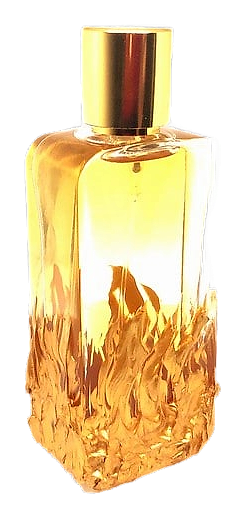
Anastasia Brozler built Celtic Fire from Scotland's raw materials. Each ingredient carries its origin on the surface, not metaphorically, but geographically in feel. The peat anchors the scent with a dense, smoky-earthy character that grounds everything around it. Oak extract adds weight and structure. Fir balsam brings a crisp, resinous quality that lifts the composition. Pine needles suggest the deep forest, that place where the trees grow thick and the air hangs heavy with green. This is a fragrance that wears its landscape like a second skin, immersive and unapologetic. The composition is bold, refusing to soften its edges or apologize for what it is.
The real story here is peat. Real peat gives Celtic Fire a smoky-earthy character that's almost impossible to fake. Modern perfumery often uses synthetic smokiness, pleasant, controllable, safe. Celtic Fire takes a different approach. The result is a fragrance that smells like a place, not a concept. Birch tar adds a leather-smoke dimension that cuts through the earthiness. Myrtle brings a quiet green sweetness that softens the edges without compromising the integrity of the whole.
The evolution
Celtic Fire opens without apology. Peat smoke hits first, dense and uncompromising, with birch tar lending a sharp, almost medicinal edge that prickles the senses. The top notes, oak, fir, pine, arrive as the smoke settles enough to let the forest breathe. This first 15-30 minutes is the fragrance's most confrontational moment, the point at which either you commit or you retreat. The fougère heart reveals itself next, adding a green-yeast quality that feels almost feral, a reminder that this scent comes from something wild. Then the drydown arrives. Birch tar and leather settle close to the skin, with the peat still faintly glowing beneath like embers that refuse to die. The campfire presence lingers steadily, a warmth you cannot quite extinguish, lasting long into the evening.
Cultural impact
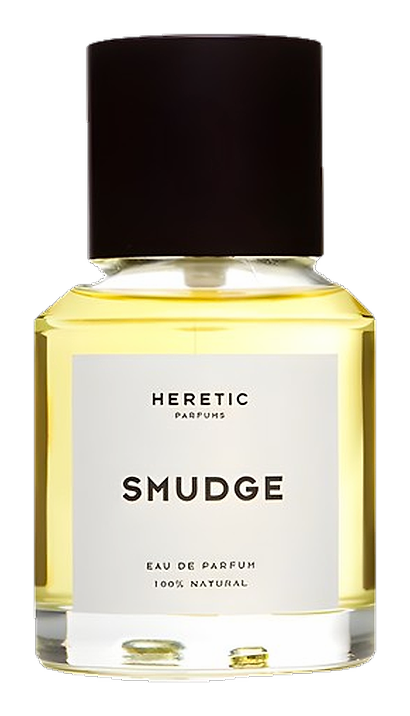
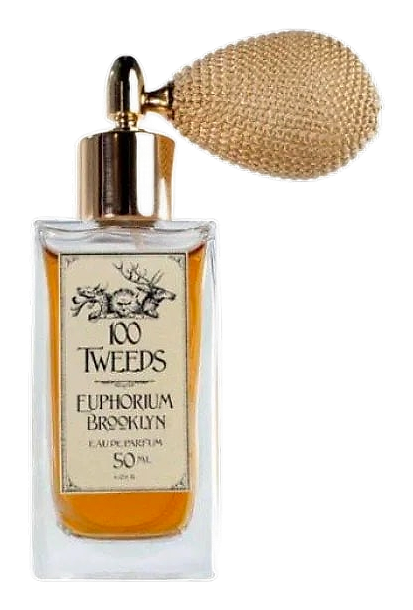
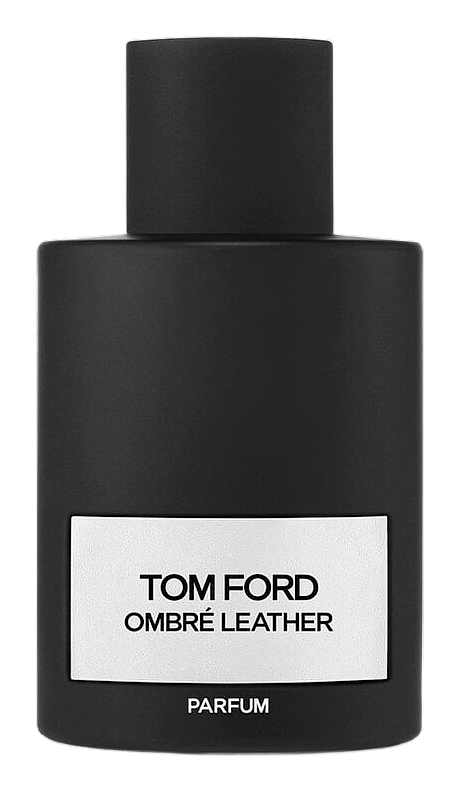
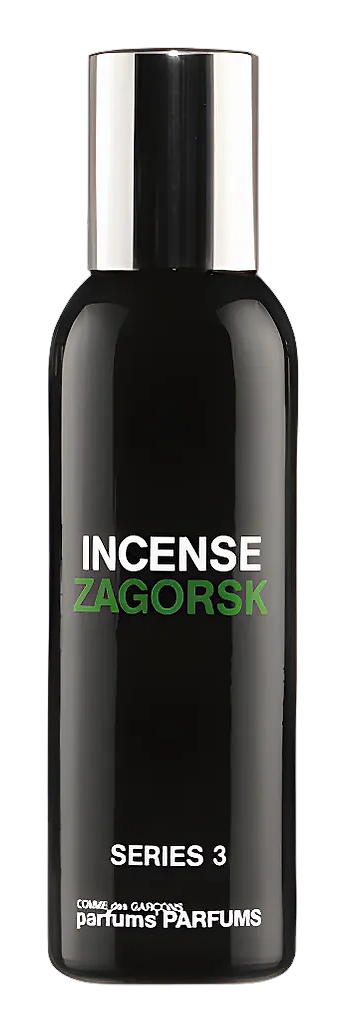
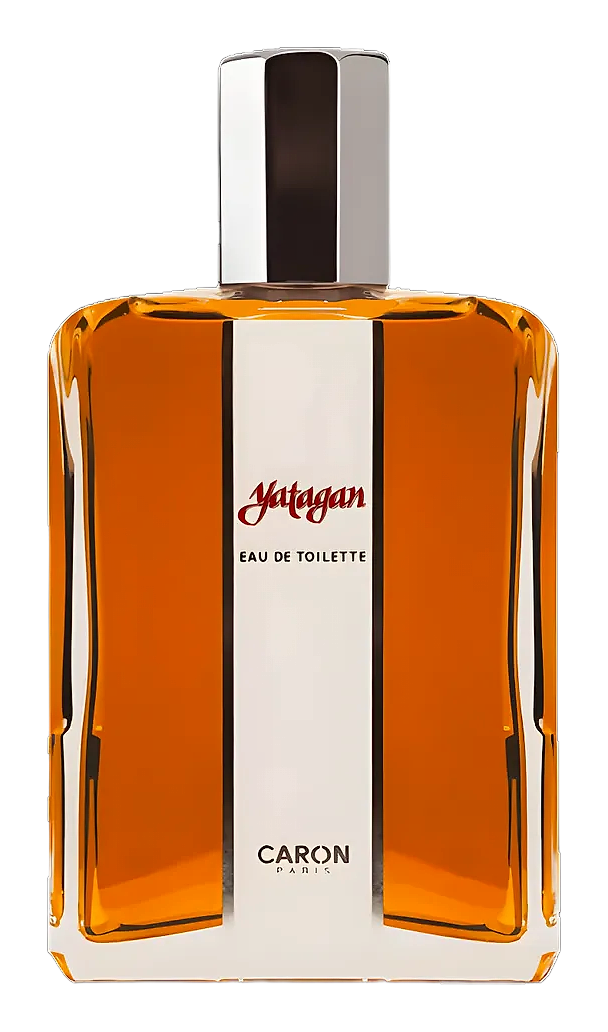
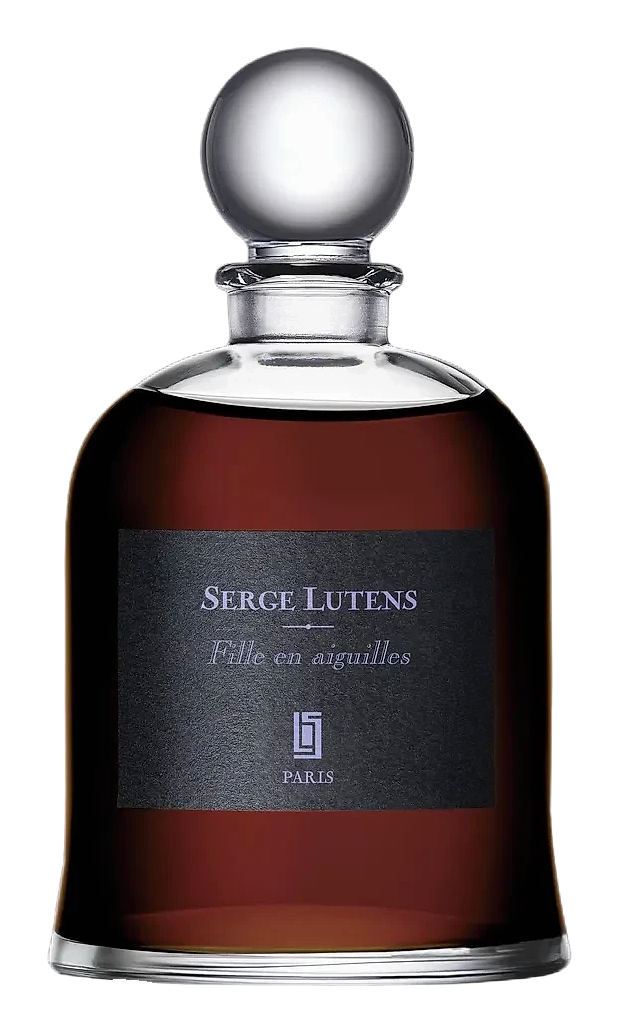
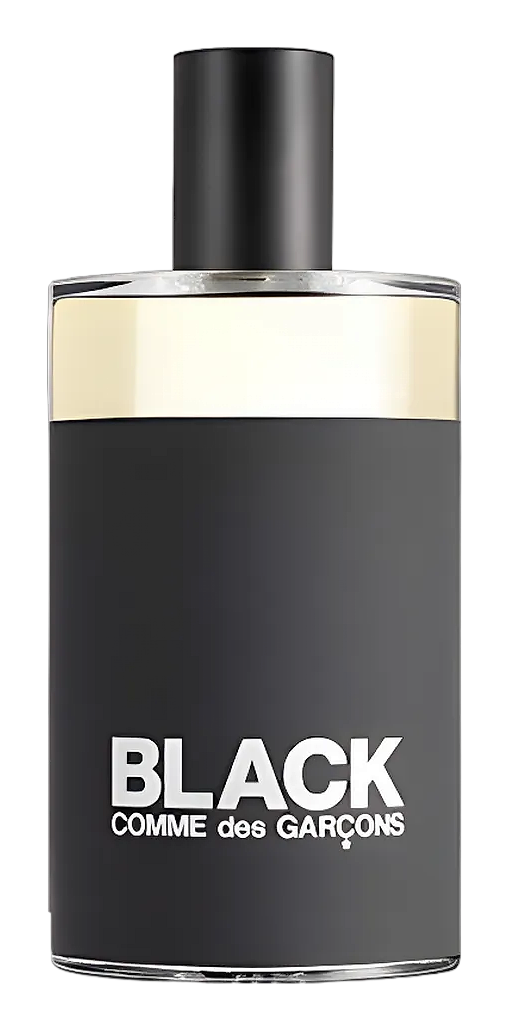
Celtic Fire occupies a specific corner of the niche fragrance world, the peat-smoke territory shared by fans of Laphroaig and Encre Noire, though it carves its own path with a fougère structure and myrtle note. The fragrance carves its own path through that territory, offering something distinct from its peers. Those drawn to Celtic Fire tend to want scent to mean something beyond pleasant, seeking compositions that tell stories and create atmospheres rather than simply smelling agreeable. It finds its natural audience among fragrance lovers who treat perfume as an art form rather than an accessory.