The Story
Why it exists.
The beginning
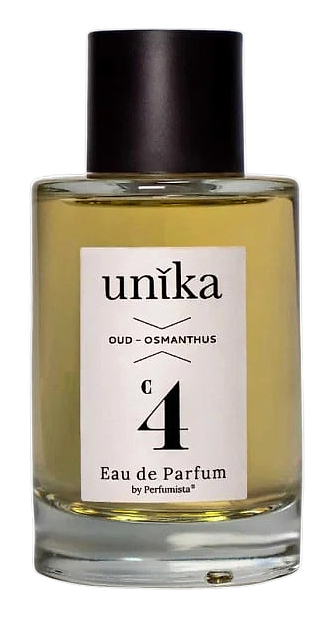
Véronique Stambouli composed Oud Osmanthus in 2021, framing it as a study in fruit meeting oud. Rather than burying the oud beneath louder materials or amplifying it into statement, Stambouli kept the composition quiet, letting the osmanthus carry the warmth while the oud held back in the wings. The pairing has a particular logic: the stone fruit density of peach and plum gives osmanthus a fruit-forward cushion, while the oud underneath adds gravity and a faint bitterness that keeps the sweetness honest. The result is a composition that reads more intimate than its note list might suggest, closer to velvet than incense, and more about texture than projection.
What makes this composition worth attention is how Stambouli handles the osmanthus. The flower can lean leathery, almost apricot-skin in its natural rendering, and she lets that quality do the heavy lifting rather than reinforcing it with obvious supporting notes. The plum and peach top layer feeds the osmanthus's natural fruit character, while violet and rose in the heart soften the transition into the darker base. Most oud compositions announce the oud within minutes.
The evolution
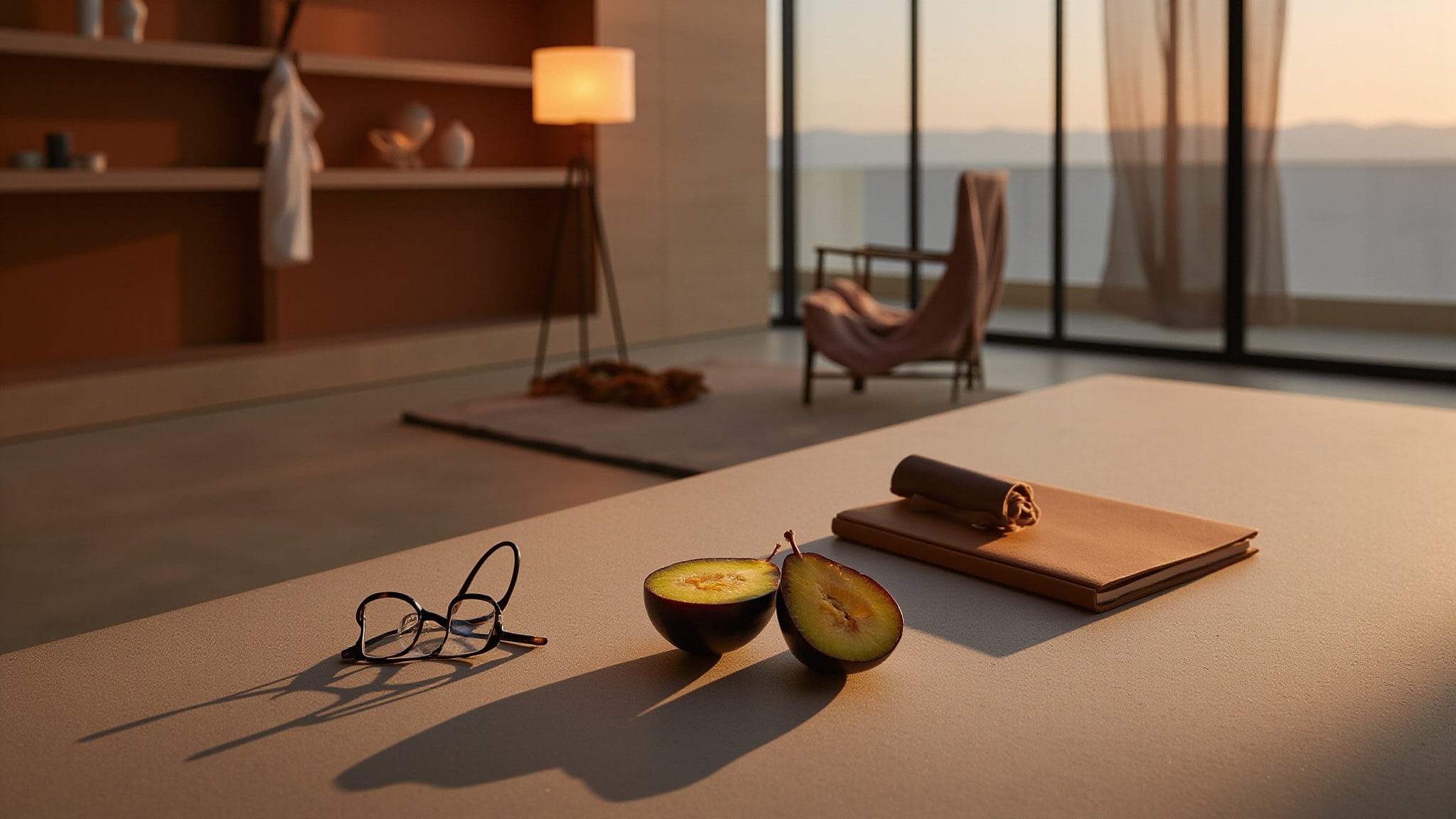
The first ten minutes feel almost entirely like fruit. Plum and peach sit at the surface, and osmanthus rounds them into something denser, less candied, more like warm skin after sun. There's no sharp citrus edge to cut through, just a soft entry that settles quickly into the wearer's own warmth. Around the thirty-minute mark, the fruit begins to settle and violet pulls forward, giving the composition a powdery, slightly bruised quality. Rose threads through quietly, more suggestion than statement, and it lends the heart a kind of dusty softness that bridges fruit and wood. By the two-hour point, the oud is finally present. It doesn't arrive with smoke or barnyard intensity. Instead it brings depth, a dry woodiness that makes the remaining fruit feel darker, more like stewed compote than fresh orchard.
Cultural impact
Oud Osmanthus occupies an interesting space in the oud category. Rather than leaning on the resin's most aggressive qualities, the composition treats oud as a supporting player rather than the headline act, and that inversion is what makes it stand out. The osmanthus takes center stage, with oud providing depth and shadow rather than spectacle. This kind of restraint appeals to wearers who want oud's complexity without its intensity, who appreciate the material's quieter qualities.