The Story
Why it exists.
The beginning
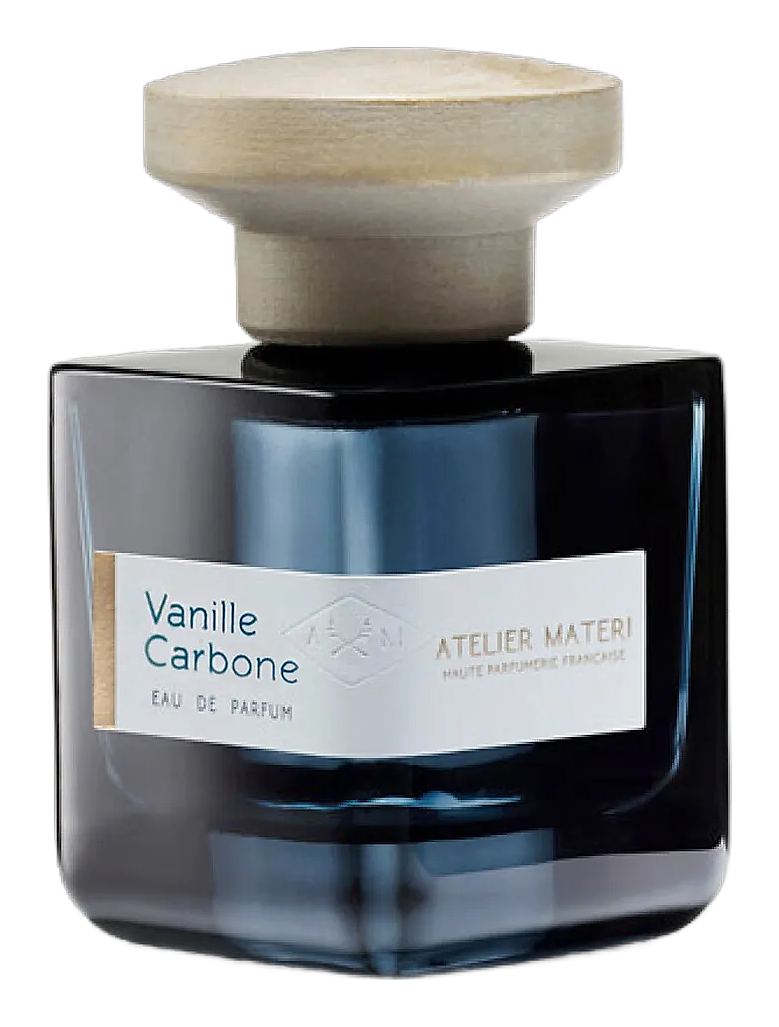
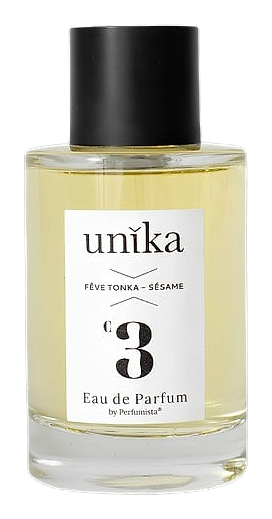
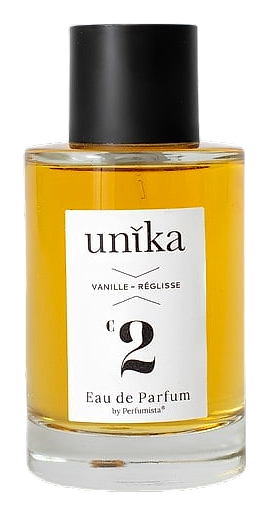
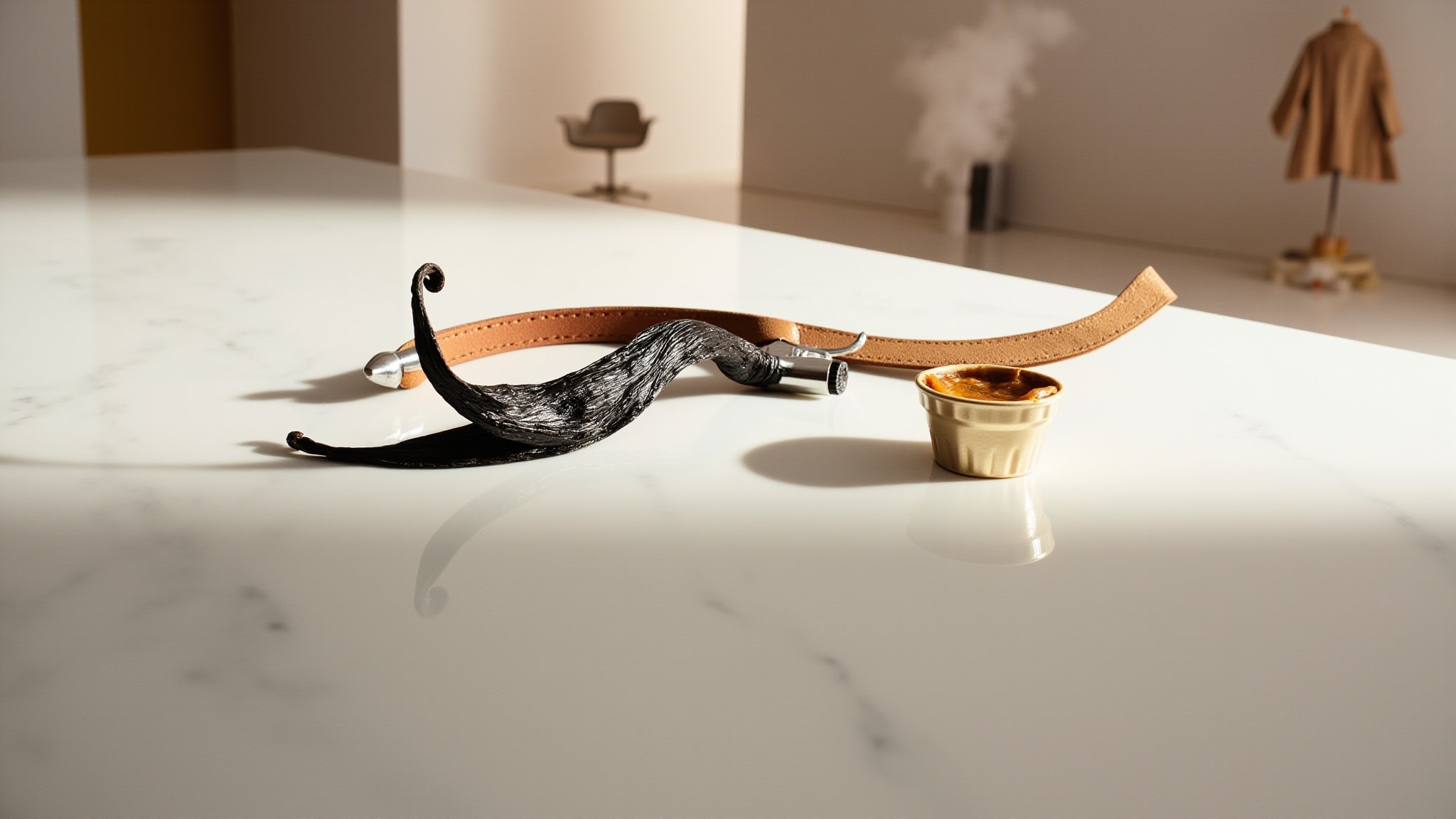
Licorice crème brûlée. That's the spark, the moment vanilla revealed it needed something more. The brûlée's contrast is the whole point: sugar torched to bitter caramel, vanilla custard beneath. The idea was to build a fragrance that held both at once, refusing to resolve into either. The result sits in tension, sweet and dark, edible and animalic, warm and sharp. There's a push and pull throughout, the gourmand comfort fighting something sharper beneath. That's the idea. That's the fragrance.
Vanilla absolute isn't what most people think. In its natural form, it carries oak bark and hay facets, bitter, almost vegetal. The licorice amplifies the dark side of vanilla, then saffron pushes it further with its own leathery, almost medicinal depth. Together, these materials transform the expected sweetness into something more complex. The vanilla doesn't disappear, it becomes something harder to pin down, something that refuses the obvious. That's the trick. That's what's unusual here.
The evolution
The bergamot opens bright, a quick flash of candied citrus. Tangerine follows, sweet and brief. Then the licorice arrives and doesn't ask permission. It takes over the composition, dark, bitter, anise-edged, and holds it. The bergamot's brightness fades fast, overwhelmed by the licorice's weight. Patchouli appears next, earthy and grounding, keeping the licorice from spinning too sharp. Saffron threads through, adding a dry spice that reads almost medicinal. The vanilla finally arrives not as sweetness but as presence, warm, resinous, more oak than cream. The drydown shifts toward leather. Not a hint of it, the full note, soft and worn. Benzoin holds everything together, sweet and balsamic, a warmth that lingers close to the skin. Eight hours later, the benzoin and licorice linger on fabric. A ghost of vanilla on the wrist the next morning.
Cultural impact
The licorice isn't decorative here, it's structural, reshaping how vanilla reads on skin. It keeps the sweetness honest, dark, almost bitter, refusing to be just edible. The combination creates something that challenges the usual gourmand expectations, vanilla reimagined through a lens of shadow and depth. What could have been a straightforward sweet fragrance becomes instead something that asks more of its wearer, something that rewards attention. This is what gourmand can mean when it refuses the easy path.
The House
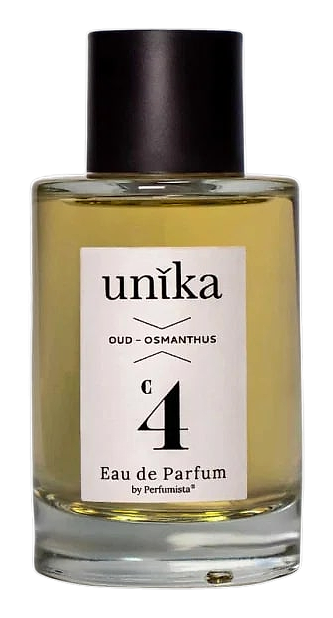
UnikaUNIKA is an independent fragrance house founded by perfumer Véronique Stambouli, operating from the historic perfumery region of Pays de Grasse in France. The brand launched its debut collection of six perfumes in 2025, each named with a minimal alphanumeric system (c 1 through c 6) that mirrors the collection's stripped-back ethos. Stambouli trained under experienced mentors and spent years immersed in the olfactory traditions of Grasse before establishing her own house. UNIKA's approach centers on exceptional raw materials, each fragrance built around a single dominant accord that allows specific natural ingredients to speak with clarity and purpose. The collection spans diverse territories, from the warm resinous character of Oud Osmanthus to the cool herbal tension of Cédrat Myrte Immortelle. As an independent operation, UNIKA maintains direct control over sourcing and production, positioning itself as a craft-oriented alternative to larger commercial houses.
The Creator
Véronique StambouliHer technical background at FRAGWORLD gave Stambouli a rigorous foundation in fragrance composition. She favors working with natural raw materials, treating each ingredient as a distinct voice in a larger conversation.