The Story
Why it exists.
The beginning
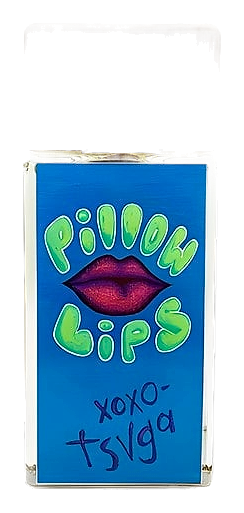
James Barry designed Pillow Lips to explore the moment when a sweet scent earns its complexity. The name itself, Pillow Lips, suggests something intimate, close to the skin. Barry began with a bright, playful fruit opening that would immediately catch attention, then built outward from there. The composition moves through several phases, each one adding another layer of warmth and personal character. What starts as something effervescent and approachable gradually deepens, becoming something that feels more intimately connected to the wearer as time passes.
What makes Pillow Lips stand out is the white champaca in the heart. Unlike rose or jasmine, which can read predictable in fruity compositions, champaca brings a creamy, almost tropical quality that elevates the florals without making them heavy. The lime in the opening isn't just a citrus kick; it's the spark that keeps the raspberry and peach from feeling too soft. By the time vanilla and oakmoss arrive in the base, the fragrance has traveled from something bright and fizzy to something that lingers close to the skin, intimate without being heavy.
The evolution
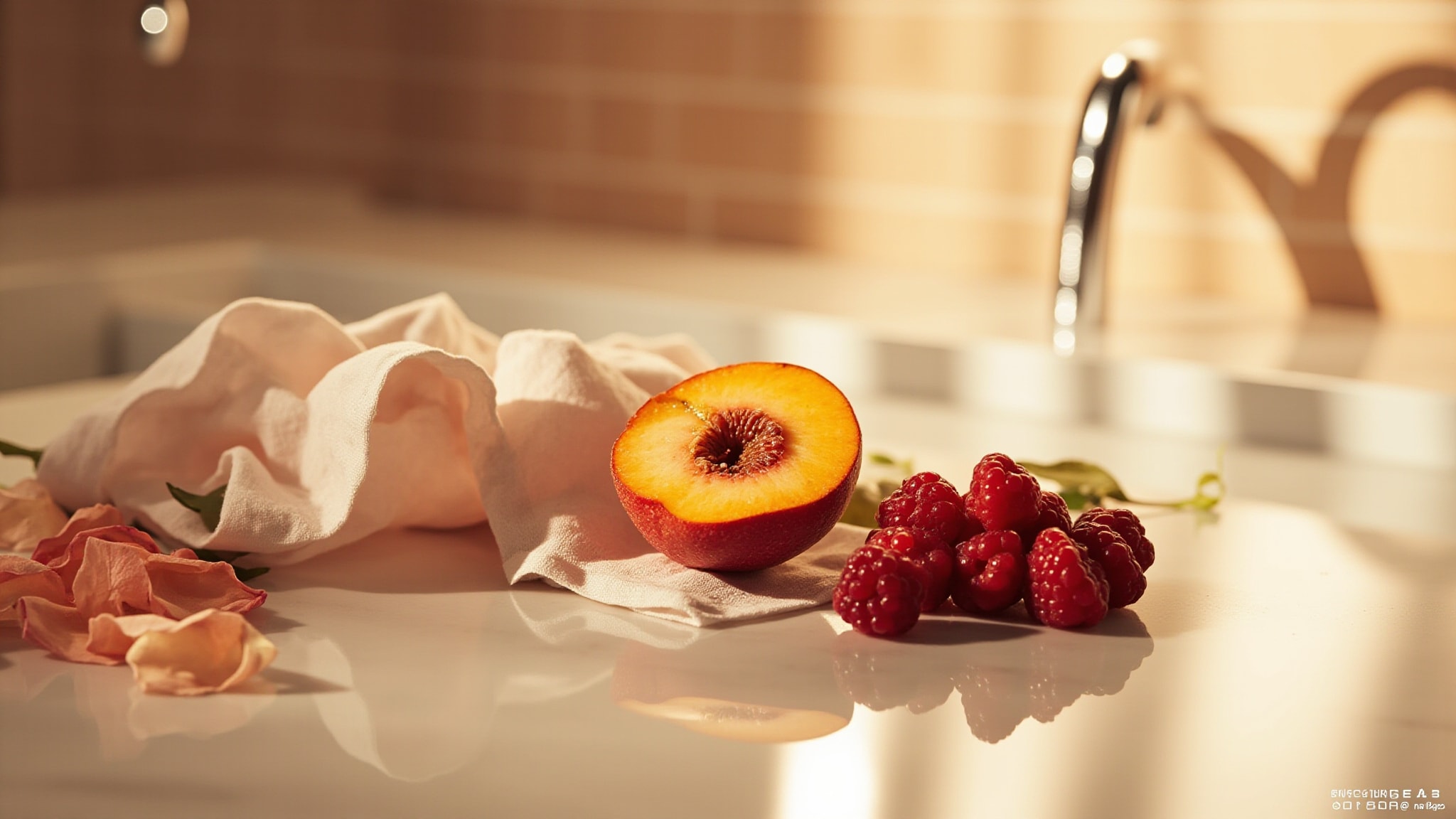
The opening arrives quickly, lime sparkling against soft peach, raspberry adding a slight tang. It reads fresh, almost effervescent, like fruit in prosecco. The oakmoss is there from the start, barely visible, keeping the fruits honest and preventing them from becoming overly sweet or cartoonish. Within twenty minutes, the florals begin their takeover. White champaca takes the lead, its creamy quality softening the sharper rose notes that flicker beneath the surface. The composition shifts from playful to something more considered, with the fruit notes still present but now sharing space with richer floral elements that add depth and complexity. By the second hour, vanilla enters the picture, not a loud vanilla, but a warm hum beneath the florals that adds a subtle gourmand quality without overwhelming the composition.
Cultural impact
Pillow Lips has found its audience among those who appreciate fruity florals but want something with more depth than the category typically offers. The fragrance occupies an interesting space: accessible enough to welcome newcomers to the fruity floral genre, yet sophisticated enough to satisfy more experienced noses looking for complexity beneath the surface. As an indie release from a small house, it represents the kind of discovery that niche fragrance culture rewards, a scent that rewards attention and reveals more with continued wear.