
The Story
Why it exists.
The beginning
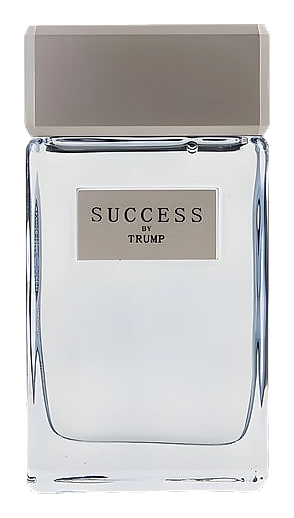
Yann Vasnier designed Success in 2011, a year when the Trump brand was becoming impossible to ignore. The brief wasn't subtle: a fragrance called Success needed to announce itself. But Vasnier made an interesting choice, he went intimate rather than explosive. Juniper and red currant open bright and clean, a synthetic-fruity accord that reads modern rather than classical. The name is the loudest thing about it. Everything else whispers.
The bamboo leaf note is the surprise here, unusual in men's fragrance, it adds a green, slightly aquatic quality that keeps the heart from becoming predictable. Geranium and ginger follow, pushing the composition into aromatic territory without committing fully to any direction. The base is where the synthetic origins show most clearly: birch wood and tonka bean create a sweet-woody drydown that feels constructed rather than natural. It's honest about what it is, a composed fragrance, not an organic one.
The evolution
The opening arrives quick: juniper and red currant, synthetic-sharp and immediately noticeable. For about 20 minutes, there's a tart berry quality that feels modern, almost aquatic. Then the composition shifts, the fruitiness recedes, bamboo and geranium move forward, and the ginger adds a clean heat underneath. This middle phase lasts maybe an hour before the base notes begin to assert themselves. Birch wood and vetiver create an earthy, slightly smoky foundation. Tonka bean adds sweetness. The drydown settles close to the skin, intimate by design. On fabric, some of the base lingers longer, birch especially. On skin, expect 2-3 hours before it becomes a skin scent, then nothing by evening.
Cultural impact
Success arrived in 2011, a year that amplified everything attached to the name. The fragrance occupies a strange position: the brand messaging screams power and victory, but the juice itself is intimate, close-to-skin, and short-lived. Critics noticed the gap. Wearers who got past the name found a surprisingly wearable daily fragrance. Those who couldn't found it too synthetic, too thin for the price. It's been discussed more for what it represents than what it smells like, which might be exactly the point.
The House
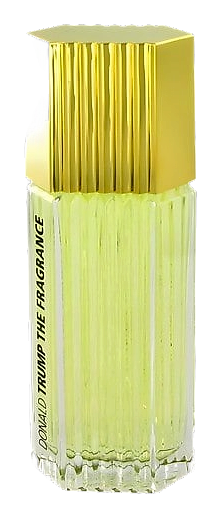
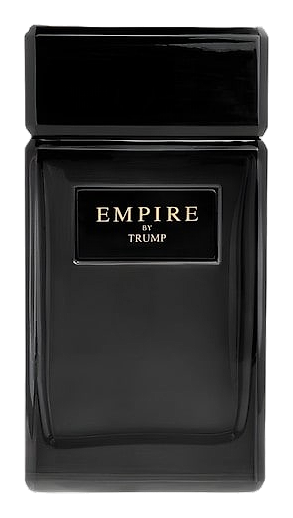
TrumpTrump fragrances represent a bold entry into celebrity scent culture, launched in 2004 and expanding into a signature collection that includes Donald Trump (2004), Success (2011), and Empire (2015). The line later evolved into premium limited-edition offerings retailing at $249 for 3.3 fluid ounces, packaged in collectible rose gold statue bottles. The fragrances occupy a distinctive niche within the celebrity fragrance market, positioning themselves at a higher price tier than typical celebrity scents and emphasizing collector appeal through numbered editions and distinctive presentation. The brand leverages the visual identity of Donald Trump as a central design element, with raised-fist imagery and bold branding appearing on packaging and promotional materials. The collection has garnered attention for its unapologetic approach to luxury positioning, targeting consumers drawn to the Trump personal brand rather than traditional fragrance house aesthetics.
The Creator
Yann VasnierVasnier demonstrates notable versatility across gender and genre, yet his men's work carries particular distinction—often layering richness with unexpected precision. He favors compositions where restraint serves impact, as demonstrated in the twelve-ingredient structure he fo…