
The Story
Why it exists.
The beginning
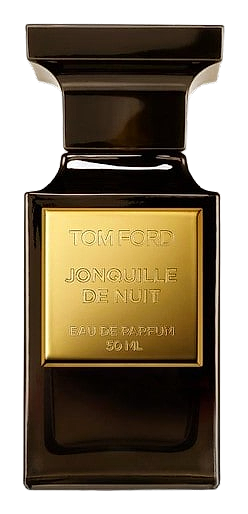
Jonquille de Nuit is part of Tom Ford's Reserve Collection. The name captures the concept perfectly: a night-blooming jonquil. Jonquils, those clustered yellow daffodil relatives, are traditionally creatures of spring sunlight. The fragrance reimagines them for darkness, warmer and closer, dusted with powder rather than dew. This is a yellow floral for people who find conventional florals too bright for their skin. The composition builds from crisp green openings through honeyed mimosa, bitter orange blossom, and arrives at an intimate, almost animalic narcissus that refuses to apologize for being a real flower. Yellow florals dissolve into skin warmth, wrapped in orris and amber that linger like the ghost of flowers on warm skin.
What makes Jonquille de Nuit interesting isn't what it adds, it's what it leaves out. Yellow florals often get softened with complementary notes, made safer. Here, Vasnier let the Narcissus run unchained, supported only by orris powder and amber warmth. The result is a fragrance that doesn't project so much as emanate. It's intimate. Close. The kind of scent you lean in to smell and your neighbor leans in too.
The evolution
The opening is green and ozonic, violet leaf and cyclamen lifting the air around you like the moment before rain. Mimosa arrives quickly, sheer and honeyed, threading through the moisture. Bitter orange blossom adds a delicate bitterness that keeps the sweetness honest. Within an hour, the greens recede and the yellow flowers take the stage. That's when Narcissus announces itself: intimate, almost animalic, refusing to apologize for being a real flower. It's green without sharpness, floral without sweetness. Somewhere between garden bloom and skin. The drydown belongs to orris and amber. The iris powder arrives last, elegant, powdery, the kind of softness that settles into a scarf. Amber wraps everything in a warm glow that keeps the yellow florals from fully disappearing.
Cultural impact
Jonquille de Nuit showcases the beauty of nocturnal florals, taking traditionally daytime flowers and placing them in conversation with darkness. The name itself, meaning 'night daffodil' in French, evokes a flower that blooms in darkness, mirroring the fragrance's exploration of florals that come alive at night. Ingredients like mimosa and violet leaf take on mysterious qualities when framed by shadow, their usual brightness softened into something more intimate and warm. The fragrance invites wearers to reconsider what daytime flowers can become, shifting their perception from sunshine sweetness to evening elegance.