The Story
Why it exists.
The beginning
In 2009, Tim McGraw wanted to bottle something specific: not luxury, not abstraction, but the man he'd grown up around. Men from the South who didn't explain themselves. Who wore strength the way they wore flannel, casually, like it was just there. Perfumer Richard Herpin built the composition around that idea. Grapefruit and star anise open the conversation. Then whiskey. Then tobacco settling into amber like late afternoon light through a window. McGraw reportedly stayed involved through development, insisting the scent feel earned rather than performed. Southern Blend arrived not as a tribute to a place but as a portrait of a kind of person.
The whiskey note is where this fragrance earns its keep. It's not a gimmick, it's the point. Whiskey as a fragrance note has a boozy warmth that reads differently than vanilla or rum. It breathes. It has texture. In Southern Blend, it sits alongside tobacco and amber in the base, but it announces itself early, preventing the composition from becoming just another warm-and-woody mass-market scent. The star anise in the top is the unexpected element. Slightly medicinal, almost black licorice, it creates a tension with the citrus that keeps the opening from being predictable.
The evolution
The opening announces itself quickly: bergamot and grapefruit with star anise cutting through like a shard of glass. That anise note doesn't apologize. Thirty minutes in, the whiskey arrives, not as an accent but as a foundation. The citrus fades, the lavender settles soft, and the composition shifts from bright to warm. By the second hour, tobacco and amber take over. The whiskey doesn't disappear, it deepens, becoming less boozy and more like the memory of a glass. Vetiver grounds everything, keeping the drydown from becoming sweet. The sillage drops to intimate. Four to six hours of wear. On fabric the next morning, a faint warmth remains, amber and the ghost of tobacco, like a jacket left on a chair.
Cultural impact
Southern Blend occupies an interesting space in the celebrity fragrance landscape. Released during the peak of celebrity scent popularity in 2009, it distinguished itself through whiskey and tobacco rather than the aquatic or fresh scents that dominated the category. The composition reads as masculine without aggression, a quality that has kept it in rotation for buyers who want character at an accessible price point.
The House
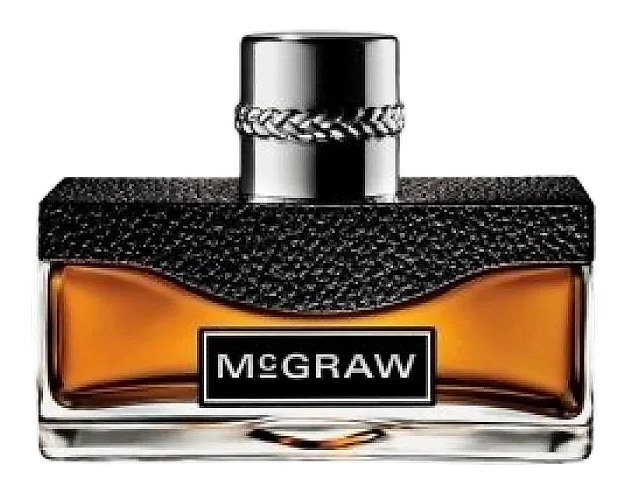
Tim McGrawTim McGraw entered the fragrance market in 2008 through a partnership with Coty, the global beauty conglomerate known for managing celebrity scent lines. The debut fragrance, McGraw by Tim McGraw, established a masculine olfactory identity rooted in American country music culture. The collection expanded to include Southern Blend in 2009, McGraw Silver, and the Soul2Soul series co-branded with his wife, country music star Faith Hill. These fragrances arrived in stores during the peak of celebrity fragrance popularity, when musicians and actors routinely launched personal scent lines as extensions of their brand identities. The Tim McGraw fragrance franchise represented a calculated move by Coty to capture the country music audience, a demographic with distinct lifestyle preferences and brand loyalties. The spicy woody profile of the original release, featuring notes of bergamot, nutmeg, lavender, and aged whisky, positioned the fragrance within the masculine fougère tradition while incorporating contemporary ingredients designed to appeal to younger consumers discovering fragrance for the first time.
The Creator
Richard HerpinHis style tends toward carefully constructed accords, often with a grounding base that allows brighter top notes to shine. He's not afraid to use synthetics alongside naturals, blending them seamlessly to create textures and effects that are both modern and timeless.