The Story
Why it exists.
The beginning
Thomas Kosmala named this one Frénésie, frenzy, but the scent itself couldn't be calmer. The name captures the energy beneath the ease, that controlled buzz of a space before everyone arrives, when the music's queued but no one's dancing yet. There's a deliberate contrast at work here: the title suggests urgency, movement, perhaps even chaos, yet the fragrance unfolds with a composed elegance that never feels rushed. It moves like something thoughtful rather than something frantic, each layer arriving with intention rather than spectacle.
The osmanthus-peony pairing is the engine here. Osmanthus brings an apricot-like sweetness undercut by a leather-like depth that most perfumers either overuse or sidestep entirely. Peony, meanwhile, provides the buoyancy without the soapiness that drags down lesser florals. Together they create something that reads as both sweet and grounded, not a contradiction, just honest. The oud in the base acts as a whisper rather than a shout, lending warmth without weight.
The evolution
The opening hits quick, magnolia's cream meeting saffron's slight metallic heat, bergamot adding a citrus flicker that doesn't linger. Within twenty minutes the florals take over: gardenia and peony with osmanthus humming underneath, sweet and creamy without tipping into cloying. The floral heart holds for a while, the longest phase, layering petals and honeyed fruit until the composition settles. Then the handoff: musk and amber arrive first, warming the transition before the oud settles in, smoky, quiet, almost shy. The osmanthus doesn't fully leave. It stays threaded through the drydown, a sweetness that refuses to quit entirely. By the final hours you're left with skin: clean, warm, intimate. Someone will notice. Not because it's loud. Because it knows how to wait. The warmth lingers close to the skin, intimate and deliberate, inviting those nearby to lean in rather than step back.
Cultural impact
Frénésie exists in a space that doesn't ask permission. It wears easily, carries itself without declaration, and arrives without the weight of tradition trying to justify its existence. There's something honest in how it moves through the world, neither trying to prove anything nor hiding behind mystery. The fragrance finds its audience not through marketing language but through the simple fact that it works. It belongs to a moment when people started looking for something real instead of something loud, and it delivers that without making a production of it.
The House
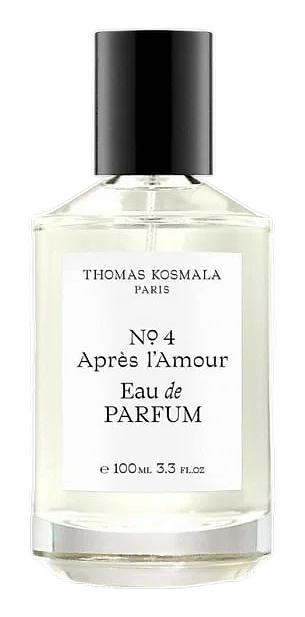
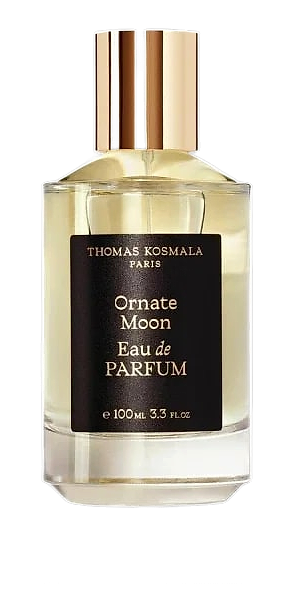
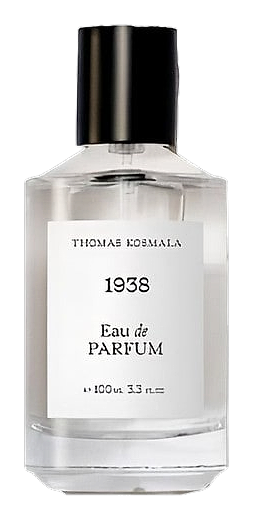
Thomas KosmalaPolish-born perfumer Thomas Kosmala trained classically in Paris before establishing his eponymous fragrance house, which maintains its seat in London. The brand launched in 2014 with a pair of Middle-Eastern-inspired oud perfumes and has since evolved toward a classically French collection of fine fragrances. Kosmala's work blends European perfumery tradition with a modern urban sensibility. The fragrances are designed as genderless and fluid, rejecting conventional categorization in favor of universal wearability. His output spans diverse olfactory territories, from aromatic and spicy compositions to warm, resinous blends, with recent releases including Wild Stride, Star Chaser, Ornate Moon, and the Dillard's collaboration 1938. The house distributes through upscale retailers including Harrods and Bloomingdale's, positioning its collections alongside established luxury houses while maintaining an independent spirit.
The Creator
Thomas KosmalaKosmala favors a balanced architecture that places a clear top note against a deep, resonant base. He often begins with a bright citrus or aromatic opening, then weaves in rare woods, resins, and spices to add depth.