
The Story
Why it exists.
The beginning
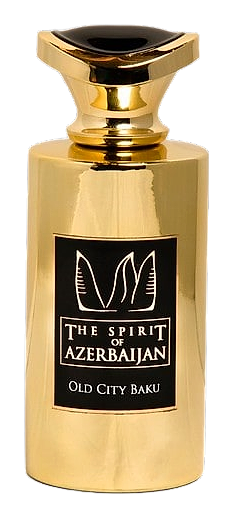
Lankaran takes its name from a real place. A city where citrus groves meet a coastline, where the air carries something both green and mineral, humid and bright at the same time. The Spirit of Azerbaijan built a catalogue of place names, and Lankaran is one of those mapped points, a geographic chapter rendered in scent. Released in 2015, it sits among a collection that includes Old City Baku, Flame Towers, Gobustan, Sheki Khan Palace, and Ganja. Each fragrance carries a name, and each name points to somewhere specific, somewhere you can stand and breathe. The bottle itself is unpretentious: clean glass, clear juice, a label that names the place without trying to dress it up. Lankaran, printed plainly, the kind of typography that trusts the liquid to do the talking.
The composition earns its title by refusing to flatten Lankaran's identity into one register. Blood orange, generic citruses, and lavender in the opening give the first impression of clean brightness, the kind of opening that could belong to dozens of fragrances. But the heart shifts: hedione adds a transparent, almost watery floral lift, and saffron brings something warmer, slightly leathery, faintly bitter. That contrast, between the cool citrus-lavender start and the spiced, almost sun-warmed middle, is where the fragrance finds its center of gravity.
The evolution
The blood orange and lavender announce themselves quickly, pulling the opening forward in a way that reads bright, clean, and slightly herbal. That first phase establishes the mood before the rest of the composition gets a chance to speak. Then the hedione and saffron take over, and the fragrance feels like it belongs to a different scent, warmer, drier, with a spiced softness underneath. The shift is noticeable and deliberate, a hinge between two halves of the same idea. The oakmoss and ambergris start to anchor things, pulling the scent down into a woody, slightly grounded base, and this is where Lankaran finds its footing. The woody-amber structure holds through the later hours without losing its shape, the saffron lingering underneath like a memory of warmth while the moss and woods do the quiet, patient work.
Cultural impact
Lankaran belongs to a small catalogue of place-named fragrances, a category that treats scent as cartography and uses geographic references as genuine prompts rather than marketing gestures. The composition reflects that intent: bright enough in the opening to feel almost sunlit, grounded enough in the base to feel rooted. The citrus-lavender start, the spiced saffron heart, the earthy oakmoss close, each phase builds toward a sense of place without ever resorting to postcard imagery. The juice does the cultural work, not the copy.