




Heritage
A house, in its own words
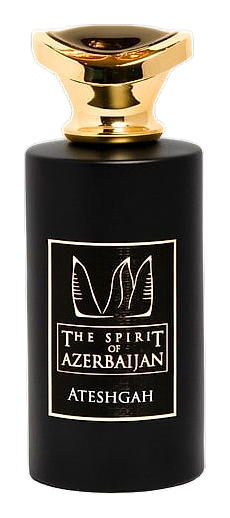
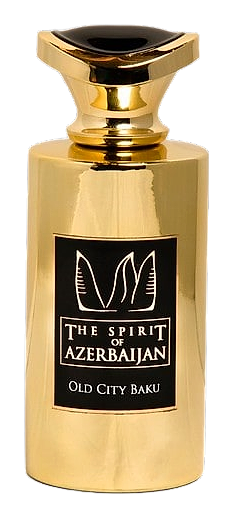
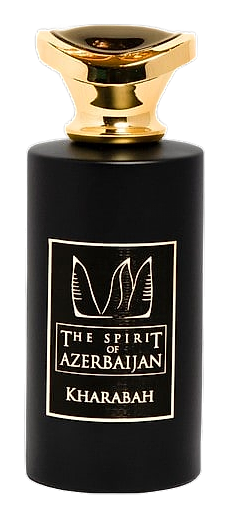
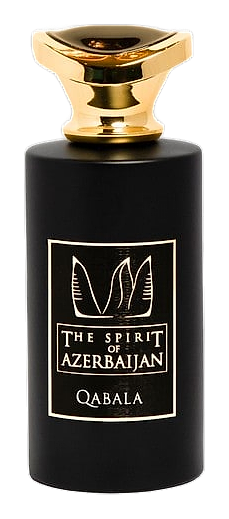
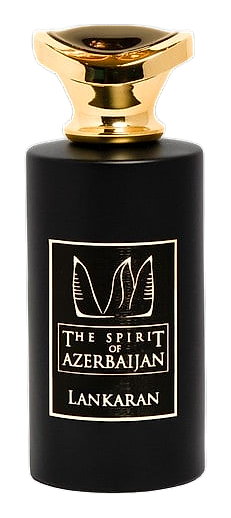
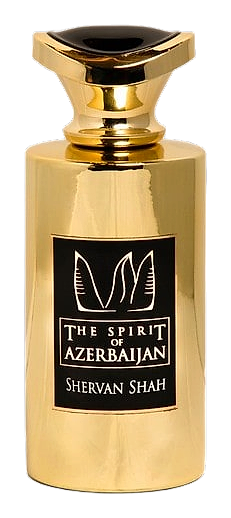
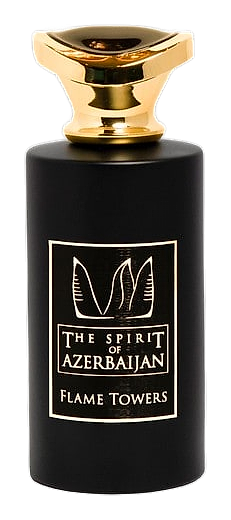
The Spirit of Azerbaijan emerged from founder Bagir Hasanzade’s effort to construct an olfactory portrait of Azerbaijan. A 2018 interview with Hasanzade focused on his own olfactory map of the country, presenting fragrance as a way to connect personal memory with landscape, architecture and cultural history. That idea gives the house’s founding story a clear point of departure: rather than treating the country as one undifferentiated theme, it divides Azerbaijan into places that can be explored through scent. Titles such as Old City Baku, Gobustan and Flame Towers anchor the collection in recognisable settings, while Shervan Shah and Sheki Khan Palace point toward historical figures and courtly heritage. The catalogue expanded beyond those early references, with later entries such as Giz Galasi and Kharabah joining the 24 fragrances recorded by Parfumistas. Publicly available sources do not establish a separate founding date, but the fragrance database dates the house’s launches to 2015. Its development can therefore be traced through a small group of location-led releases, a broader national collection and Hasanzade’s continued articulation of Azerbaijan as an olfactory subject. The available record does not identify the perfumers responsible for individual compositions or document any changes in ownership or production. Hasanzade’s concept of an olfactory map offers the clearest account of the house’s creative vision. Azerbaijan becomes a series of geographic and cultural chapters rather than a single marketing theme. Baku appears through both the old city and the Flame Towers, creating a contrast between historical urban space and a modern skyline. Gobustan recalls Azerbaijan’s rock-art landscape, while Ganja and Sheki bring other cities and regional associations into the frame. Historical names extend the map beyond scenery, inviting the wearer to encounter the country through memory, identity and place. This approach suits the growing interest in place-specific fragrance, but public sources do not reveal how Hasanzade and the perfumery team translate these references into individual notes. Brand copy mentions pomegranate, spices and lush natural accords, yet its broad language is not sufficient to verify those materials as ingredients used across the collection. It is safer to view these descriptions as the intended emotional register rather than a documented ingredient list. The house’s central proposition remains specific and coherent: perfumery acts as a map of Azerbaijani culture, with each fragrance naming a distinct coordinate. Its public identity is based on that cartographic idea, not on claims of technical innovation or awards.