
The Story
Why it exists.
The beginning
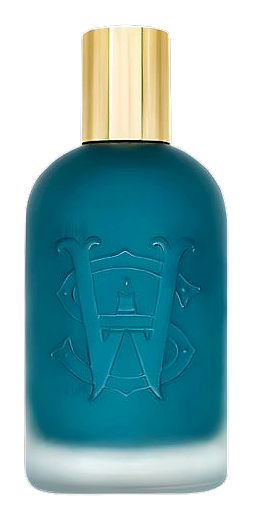
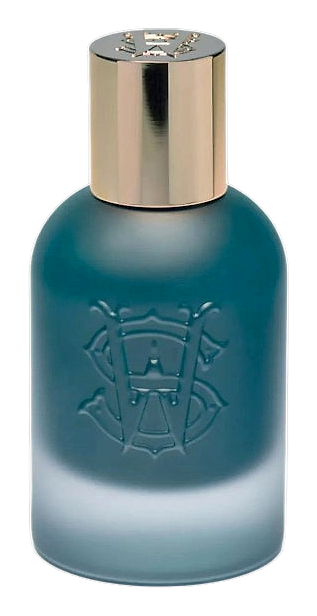
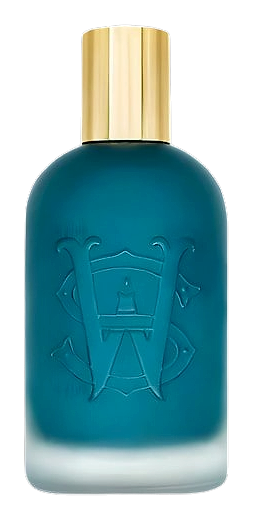
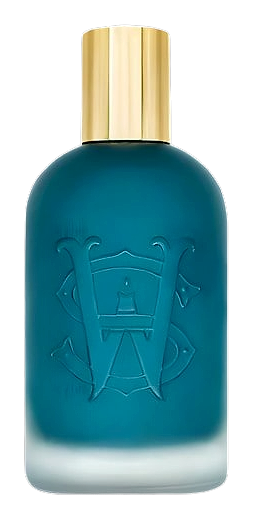
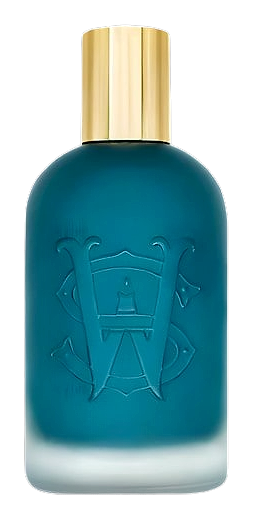
Meridian suggests a line drawn across the map of a life, the place where direction shifts. The name carries the idea of orientation: a point of reference defined not by one fixed location, but by the change that gives shape to a route. The fragrance presents itself with the same sense of deliberate focus. It doesn't need to explain everything at once. Instead, it leaves room for interpretation, inviting attention to the details that emerge on skin and in the air around you. This is fragrance presented as an atmosphere rather than a slogan, a composition that settles into its surroundings and rewards a closer look.
What makes Meridian worth attention is the balance between contrasting elements. Its character rests on patchouli, with supporting notes of oud, incense, and vanilla. Patchouli supplies an earthy foundation, while oud and incense introduce depth. Vanilla adds a softer edge, keeping the composition from feeling entirely stark. The interaction is measured: darker materials give Meridian gravity, while sweetness provides contrast and polish. It's a structure that moves between shadow and texture, giving the fragrance enough restraint to feel familiar and enough complexity to remain compelling.
The evolution
Meridian develops gradually, revealing different facets as the scent settles. Early on, it appears dark and composed, with patchouli providing an earthy base and incense adding a textured quality. As the fragrance evolves, oud becomes more apparent, lending a sense of depth that seems to emerge from within rather than overpower the surface. Vanilla offers a gentle counterpoint, giving the drydown a smoother character without defining it completely. The arc moves from an impression of quiet intensity to something warmer and more rounded. Its wear depends on how it interacts with the wearer and the surroundings, making the opening only a preview of the composition that continues to unfold over time.
Cultural impact
Meridian belongs to a part of the fragrance landscape where darker, more distinctive compositions are made approachable without losing their sense of depth. Its patchouli foundation gives it an earthy character, while oud and incense contribute further nuance. Vanilla introduces a subtle contrast, softening the composition without erasing its darker side. The result is neither simple nor excessive. It sits comfortably for anyone drawn to fragrances with texture, contrast, and a gradual reveal, offering a distinctive alternative to scents that rely on a single dominant impression.
The House
The Saltworks CompanyThe Saltworks Company is an independent fragrance house based in the United Kingdom. Since its launch in 2013 the brand has built a catalogue of more than fifty scents, each created from original formulas developed in‑house. The line includes stand‑alone releases such as Calypso, Pomegranate Amber and Sun Garden, as well as seasonal offerings like Rainstorm and Cherry Oakee. Saltworks emphasizes long‑lasting wear and offers a Discovery Set that lets collectors sample a curated selection before committing to a full bottle. The brand’s approach blends a laboratory‑like focus on composition with a boutique‑scale production model, positioning it as a quiet alternative to mass‑market perfume houses.
The Creator
Kenneth OrbeckOrbeck favors ingredients that echo the body’s chemistry. He reaches for soft woods such as sandalwood and cedar, grounding herbs like sage, and light florals that mirror estrogenic cues, including neroli and clary sage.