The Story
Why it exists.
The beginning
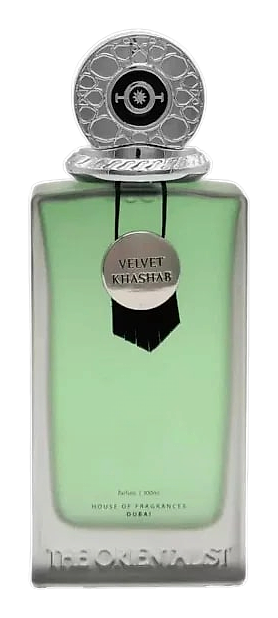
Velvet Khashab arrived in 2025 as part of The Orientalist's ongoing conversation with Eastern perfumery. The name gestures toward khashab, the Arabic word for wood, and the composition builds its case around exactly that material: the scent of woods that have perfumed homes, fabrics, and ritual spaces across centuries of trade and domestic life. This is not a fragrance reaching for fantasy or costume. It reads as a serious study in material, drawing on woods that carry centuries of presence in domestic and ceremonial settings. The composition stays rooted in the tactile reality of its materials, offering vetiver and cedar as recognizable building blocks rather than abstract suggestions.
What sets Velvet Khashab apart from the standard woody-spicy template is its restraint. Akigalawood does the work that a heavier oud or a syrupy amber would do in many compositions. It gives the heart a warm, slightly spicy woodiness without tipping into the gourmand or the resinous. Bergamot and pink pepper open with clarity rather than sweetness, a deliberate choice that keeps the fragrance from sliding into the amber-vanilla territory that flattens so much modern oriental work.
The evolution
The first fifteen minutes belong to bergamot and pink pepper, bright and slightly peppery, almost like the air just before rain hits warm stone. There's a cleanliness here that feels architectural rather than fresh. Around the thirty-minute mark, the wood arrives: cedar and vetiver settle in alongside akigalawood, and the whole composition tilts from bright to grounded. The vetiver here is dry, smoked-green, almost mineral, less green-grass and more old-paper. Ambroxan threads underneath from the start but only becomes obvious as the pepper fades, lending a clean skin-warmth that keeps the drydown from going dusty. By hour three or four, the cedar has softened, the vetiver has mellowed into something more herbal than grassy, and patchouli surfaces just enough to add weight without taking over. What lingers past hour five is the akigalawood-ambroxan accord, warm and slightly musky, close to skin. It does not project aggressively at any phase. It rewards the wearer more than the room.
Cultural impact
Velvet Khashab represents a specific kind of woody-spicy composition, one that resists the sweetness-saturated trends visible in much of the current oriental market. The scent arrives with a dry confidence, offering wood as its central argument rather than as a backdrop for vanilla or amber. Wearing it feels studied rather than performed, a deliberate choice to let materials do their work without ornamentation. The fragrance draws on Eastern wood traditions while keeping its structure spare and readable, framing oriental perfumery as a discipline of restraint rather than abundance.