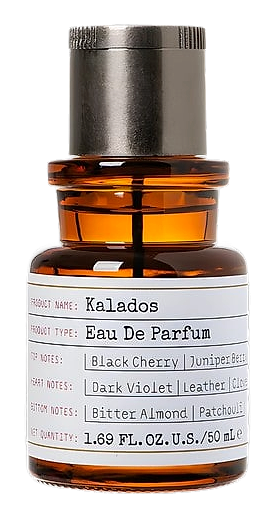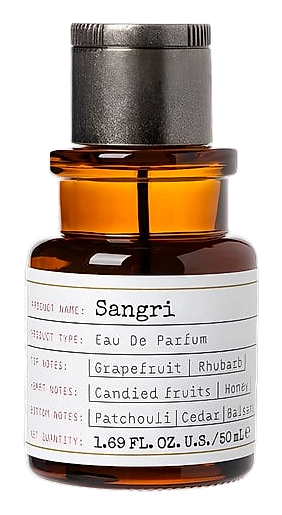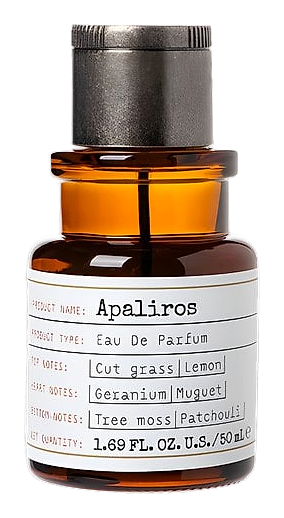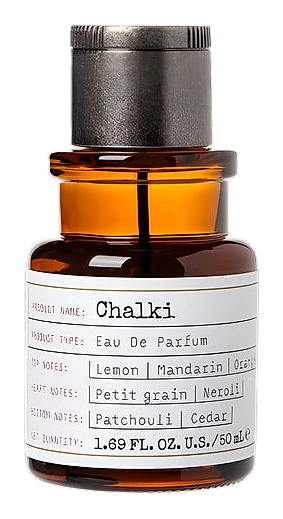
The Story
Why it exists.
The beginning
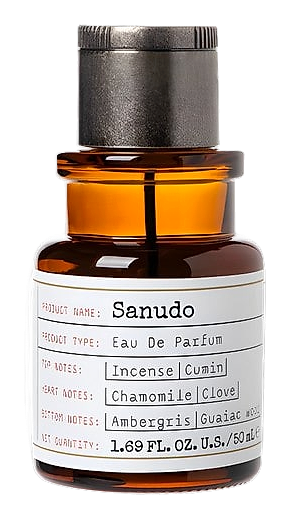
Sanudo is one entry in a collection designed to function as an olfactory map of the island of Naxos. Where most fragrances aim for a mood or a season, The Naxos Apothecary aims for a specific place, its light, its particular stone. Sanudo is the Byzantine-era register of the collection. The official framing describes it as woody and spicy, a rarified perfume, structured around incense and cumin in the opening, chamomile and clove at the heart, ambergris and guaiac wood at the base. The name and its ingredients reach back to the layers of the island's history, from basilicas built in late antiquity to the gold work of the Neolithic Cycladic culture. There's no mythologized perfumer attached, no celebrity nose. Just the brothers Korres, working from the family's herbal and pharmaceutical background, translating what they grew up surrounded by into a single composition.
What's structurally interesting here is what the composition leaves out. No sweetness, no fruit, no white florals trying to soften the edges. Cumin and frankincense open with a dry, almost savory bluntness that reads more kitchen than perfumery counter. Chamomile in the middle is a deliberate counterweight, but it's rendered as tea-leaf and dried herb rather than the sweet herbal note most fragrances default to. The clove arrives dusty and sharp. Guaiac wood and ambergris build a base that whispers smoke and something faintly saline. It's a composition built almost entirely from materials that go bitter when overused. The restraint is the point.
The evolution
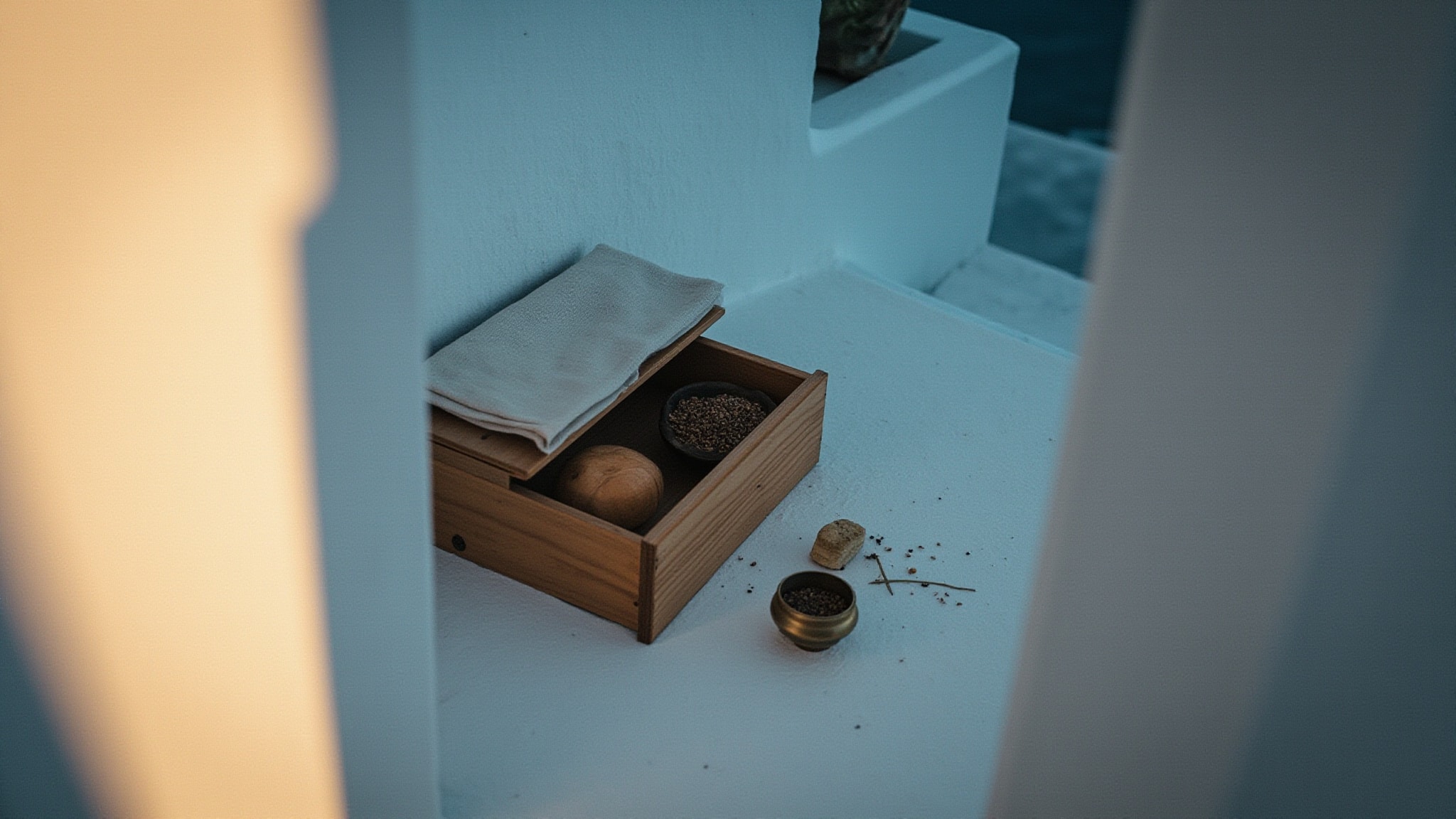
On skin, Sanudo opens the way frankincense and cumin do together, which is not gentle. There's a peppery smoked-note quality to the first ten minutes that some wearers describe as almost incense-ash on a fingertip. The cumin reads warm and savory, nothing like the sweaty-body association the note carries in heavier compositions. The frankincense sits resinous and dry, leaning toward the camphor edge of the material rather than the sweet church-incense edge. Around the twenty-minute mark the chamomile steps forward, and this is where the composition really earns its character. It arrives as dried flower and tea rather than as the soft, slightly sweet herbal note most fragrances render it as. The clove settles in alongside it, but quieter than you'd expect. This is the driest, most unsweetened chamomile imaginable, the kind that still smells like a wooden drawer in a working pharmacy. The drydown takes its time.
Cultural impact
Sanudo sits in the growing corner of the niche fragrance world that treats scent as geographic documentation rather than lifestyle product. The brand's whole collection maps the island of Naxos place by place, and Sanudo is its Byzantine-era entry, the composition that reaches further back than the others. Wearers tend to describe it as the choice for someone who knows their birthplace intimately and wears it like a private reference. It wears close enough to suit someone who doesn't want their fragrance making statements across rooms, which keeps it out of mainstream fragrance discourse and deep inside specialty circles where incense-dry compositions have a steady audience.