The Story
Why it exists.
The beginning
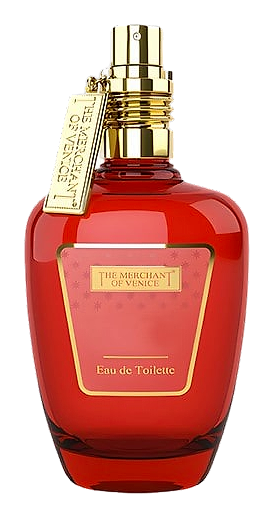
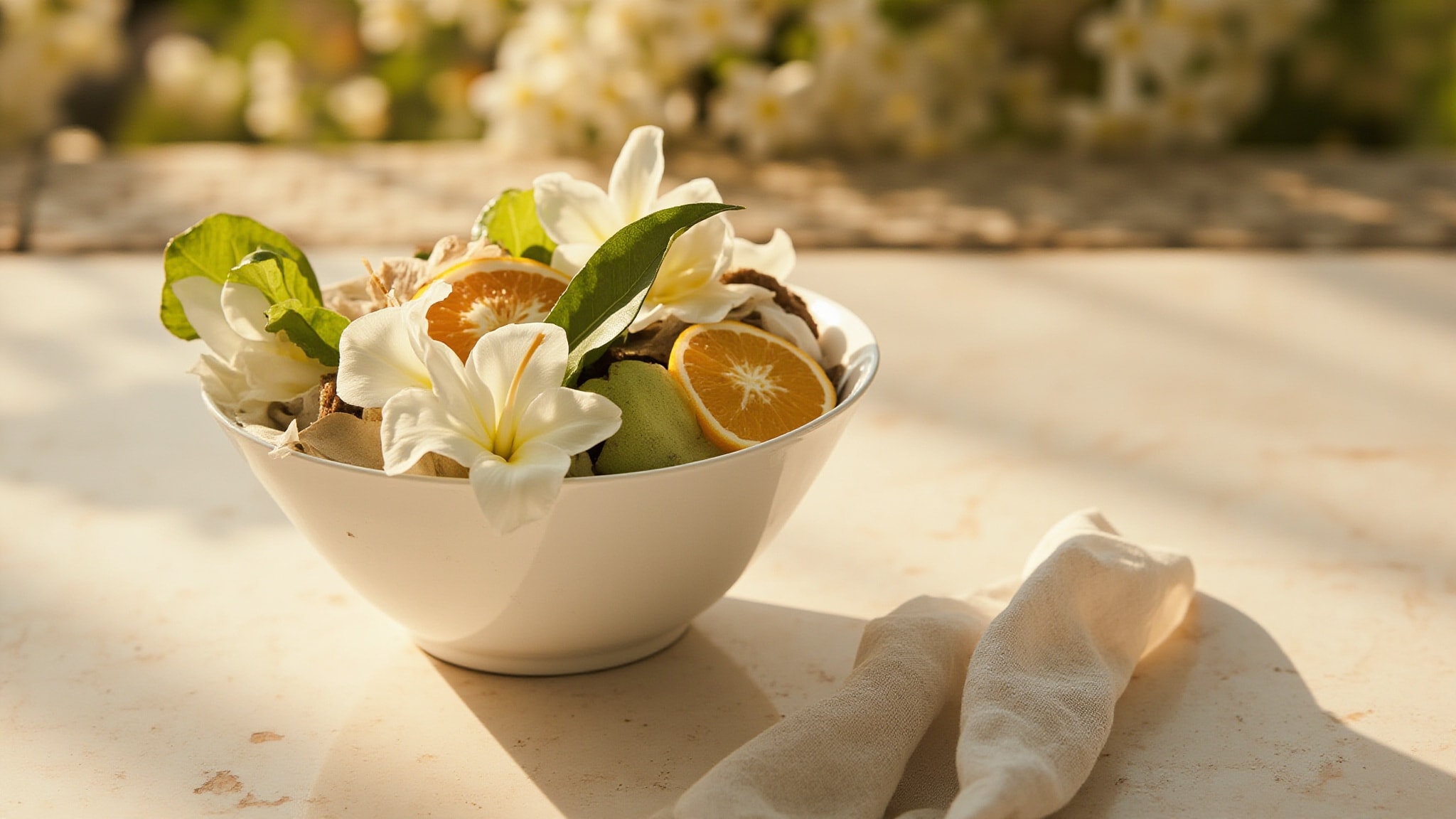
Frangipani Blossom draws from a different current in The Merchant of Venice's visual vocabulary, not the spice routes or the shadowy archives, but the city as a living garden. Venice is not all stone and water. In summer, the courtyards overflow with wisteria. The private gardens behind the palazzi hold jasmine and roses that have climbed the same walls for centuries. This fragrance was built to capture that humidity, the gondola ride at midday when the air turns thick with gardenia and white flowers, when the water below reflects light back instead of carrying it away. The name points directly at the bloom itself. Plumeria, frangipani, called by both names in different parts of the world, but always the same flower: five petals, waxy and luminous, with a scent that shifts from green and milky when fresh to rich and almost honeyed as it ages. The Merchant of Venice did not try to recreate the flower exactly.
What makes the composition work is the lactonic quality that emerges in the heart. Jasmine and rose together can read very differently depending on what surrounds them, here they lean tropical, creamy, almost fruity. The orange blossom returns to bridge the top and middle, creating continuity rather than a sharp transition. This is a fragrance that does not reset on itself. The cedar and sandalwood base is doing quiet structural work. Both woods are smooth operators, they do not announce themselves as cedar or sandalwood typically do. There is no sawdust, no smoke, no aggressive sharpening. Instead, they arrive as warmth, as the feeling of afternoon light on skin.
The evolution
The opening lands quickly: citrus blossom, apple blossom, bright and clean. For the first fifteen minutes, Frangipani Blossom reads as a morning fragrance, dewy, simple, almost transparent. Then the tropical notes arrive, not all at once but gradually, like fog lifting off the lagoon. Jasmine and rose take over the next two hours. The jasmine is not indolic, there is no armpit, no decay, no funky edge. This is jasmine in sunlight, jasmine at its friendliest. The rose lends body without weight, a soft floral presence that complements rather than dominates. Frangipani exists here as an impression rather than an identifiable note, a warmth, a creaminess, a sense of flowers closing at dusk. The drydown is where the composition earns its hours. Cedarwood and sandalwood emerge slowly, replacing the floral density with something warmer and more intimate.
Cultural impact
Frangipani Blossom anchors The Merchant of Venice's identity around Venice's rich perfume heritage. The scent connects to Mediterranean floristry traditions that predate modern perfumery, channeling centuries of regional olfactory expertise. Orange Blossom takes its place at the heart, offering a timeless floral character rooted in Mediterranean gardens. The brand's positioning interweaves historical perfumery knowledge with contemporary taste, reflecting a broader movement in niche fragrance toward honoring artisanal roots while remaining accessible to new audiences seeking sophisticated yet approachable scents.