
The Story
Why it exists.
The beginning
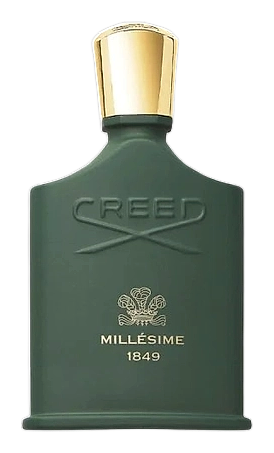
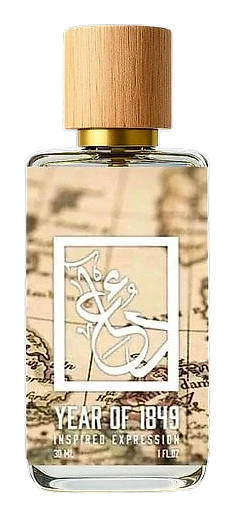
Year of 1849 is The Dua Brand's reconstruction of Millésime 1849, a Creed original released in 2013 that became hard to find. Mahsam Raza rebuilt it in 2020 as part of the Inspired Expression collection, keeping the same aristocratic bones while dropping the price tag that came with the original. It's a fragrance that borrows the architecture of something rare and makes that structure wearable again, proof that a well-built composition doesn't lose anything when it finds a wider audience.
The trick is restraint disguised as excess. Calabrian bergamot sits at the top, bright enough to cut through the richness waiting below, but it doesn't linger. Ylang-ylang and jasmine form a floral middle that reads as golden rather than white, warmed by their own density rather than chilled by green leaves. The real architecture lives at the base: sandalwood for cream, oud for shadow, patchouli for grit, cedar for spine. Bourbon vanilla ties it together without tipping into dessert territory.
The evolution
First ten minutes, Calabrian bergamot hits hard, almost too clean, like cracking open a fresh tube of bergamot paste. Then the jasmine and ylang-ylang arrive, golden and slightly waxy, and the whole thing softens into something warmer. After about an hour, the sandalwood takes over, creamy and dense, with oud threading through like a dark stitch. The bourbon vanilla shows up late, around the three-hour mark, sweetening the drydown without making it gourmand. Sources note that projection and longevity are above-average for this category, and the wear feels substantial. On fabric, the sandalwood and vanilla base linger well into the next day, turning slightly powdery and intimate. The next morning, what's left is mostly musk and a ghost of sandalwood, close enough to catch when you lift your collar.
Cultural impact
Year of 1849 sits in a specific corner of the fragrance world, the kind of release that exists because the original became hard to find. It's part of Dua's broader output, one that trades exclusivity for accessibility. The appeal is practical: you get the architecture of a discontinued Creed-era composition without needing a vintage bottle or a secondary market lottery ticket. It functions as a standalone scent for anyone drawn to dense, woody-aromatic compositions with a floral core, and it rewards people who already know the reference while still making sense to someone walking in fresh.