
The Story
Why it exists.
The beginning
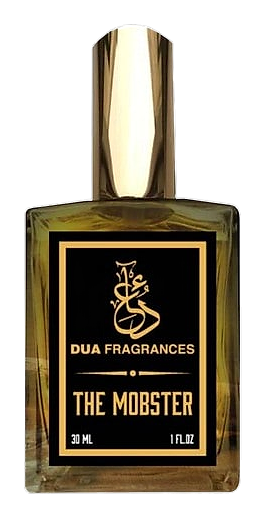
The Mobster was built around a tension. The warmth of something inviting, held in check by something that doesn't want to be understood. Late-night deals. Leather chairs. Conversations thick with smoke. The name came first. Everything else followed from there. This is that argument made physical. The whiskey opens the door. Tobacco keeps you inside. Oud lingers in the shadows, waiting. The whole composition breathes and shifts, revealing different facets depending on the moment, the temperature, the wearer's skin. It's the kind of fragrance that earns attention without asking for it.
What makes this one interesting isn't any single material, it's how whiskey and tobacco hold the oud in check. Whiskey perfume runs hot. Sweet, sticky, one-dimensional if you're not careful. The tobacco cuts that sweetness before it gets syrupy. The oud brings resin and weight. Patchouli and sandalwood fill the middle. Spicy notes add the final edge. The result is a composition that smells like a decision, not a mood.
The evolution
The whiskey arrives immediately. Caramel sweetness, a hint of vanilla, smoke sitting just beneath the surface. It fills the air within minutes. Then the tobacco enters. Not bright or leafy. Dry. Dusty. The kind of smoke from an ashtray that hasn't been emptied in hours. The transition is smooth. The whiskey doesn't disappear, it deepens alongside the tobacco. As the hours pass, the sweetness settles and the smoky quality becomes more pronounced. By the second hour, the oud takes space. Resinous. Dark. Slightly animalic without crossing into anything aggressive. Sandalwood softens the edges, patchouli adds earth, and the warm spice that opened everything keeps everything cohesive. This is where the fragrance earns its name. Not playful. Not polite. Present. The base holds. Tobacco and oud linger longest. Smoky, resinous, close to the skin but impossible to miss when someone leans in.
Cultural impact
The Mobster sits in the space between fragrance-as-accessory and fragrance-as-character. Wearers describe it as the scent of someone who walks into a room and doesn't need to announce themselves. It draws strong opinions. The whiskey note polarizes. The sillage divides. Which is exactly the point. Fall and winter nights bring out its best work. The kind of presence that feels at home in low light and leather chairs. There's something cinematic about it. Something that suggests a story without spelling one out. It's bold without being aggressive. It makes an impression without shouting.