The Story
Why it exists.
The beginning
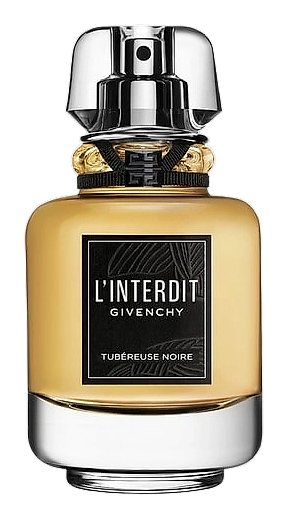
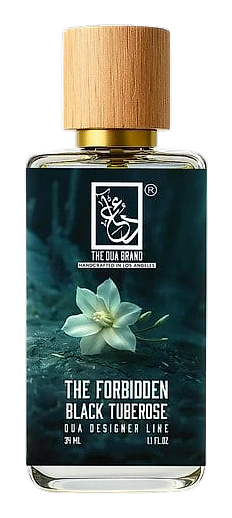
The Forbidden Black Tuberose arrived in 2025, pulled from the Dua Designer Line and shaped by Mahsam Raza. The house has built a following around reconstructing well-known compositions at a price the everyday wearer can absorb, and this one sits squarely in that lane. Tuberose carries associations of bridal sweetness and white-flower decorum, but here it gets the opposite treatment: the bloom arrives already charred, already darker than its reputation suggests. Raza's instinct is to lean into that tension rather than smooth it over, trusting the wearer to want a white floral with a shadow. The composition doesn't apologize for its provocations or water them down into something safer. It assumes the audience is ready for a flower that has been pulled apart and reassembled in smoke.
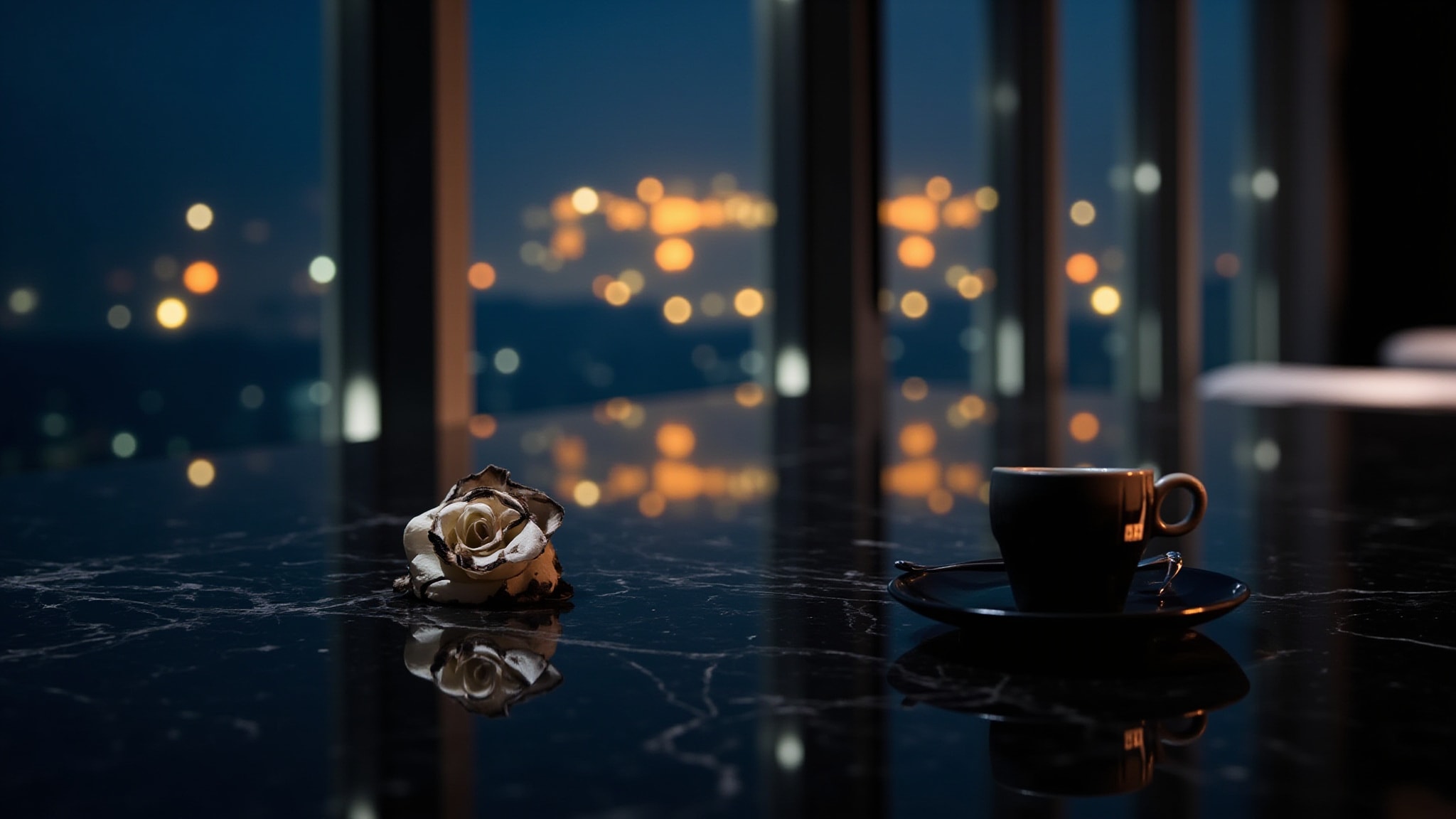
The twist here is the burnt treatment, rendering the tuberose less like a garden bloom and more like something pulled from a fire pit. The flower loses its sweetness and gains weight, picking up an ashen quality that feels closer to charcoal than petals. Coffee deepens that roasted register, lending bitterness and warmth to the composition. Orange blossom keeps the whole thing from collapsing into pure darkness, a thread of honeyed brightness that refuses to disappear.
The evolution
The opening lands fast, and it doesn't whisper. Burnt tuberose and orange blossom arrive almost simultaneously, the flower already singed, the citrus already warm with something animal underneath. The initial spray reads loud, the kind of presence that walks ahead of you into a room before you've even crossed the threshold. As the minutes pass, the coffee fully surfaces, lending a roasted, almost espresso-bitter edge that darkens the floral into something closer to incense. The patchouli and vetiver gradually take over, dragging the composition down toward earth, and the burnt tuberose reasserts itself not as bloom but as smoke, the memory of flowers rather than the flowers themselves. Eventually the drydown sits close to skin, a warm, resinous hum of vetiver, patchouli, and the faintest trace of coffee still detectable beneath the heavier materials.
Cultural impact
The fragrance speaks to a specific kind of wearer, someone who likes white florals but finds the standard bridal sweetness too clean, too safe. Tuberose has always been the floral with a reputation, and burning it pushes that reputation further. The composition asks a question that most white florals refuse to ask: what happens when you take something associated with innocence and treat it with fire? The answer is a scent that feels provocative on purpose, refusing to sand down its rough edges for anyone who might find them uncomfortable.