
The Story
Why it exists.
The beginning
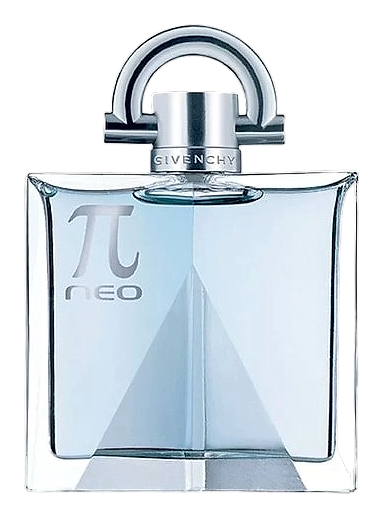
=3.14 launched as part of The Dua Brand's Designer Line, a series built around reconstructed versions of well-known designer scents. The numerical name, 3.14, is a direct nod to Givenchy's Pi, the 1998 oriental that became a benchmark for warm, vanillic masculinity. Rather than hide the lineage, The Dua Brand leans into it. The Extrait de Parfum concentration signals intent: this isn't a light interpretation, it's a louder, denser reading of the same blueprint. The formula takes the green-herbal opening of tarragon, basil, and rosemary and pushes it against a gourmand heart of vanilla, almond, and anise, creating a tension that feels both fresh and indulgent at once.
What separates this from a simple amplification is the sheer density of its aromatic spine. Mandarin orange, tarragon, rosemary, basil, and anise all share the opening stage, a herb garden with a citrus accent that most fragrances would call overloaded. But the structure holds because the heart resets the temperature. Vanilla and almond slide in, tonka and benzoin sweetening the herbal sharpness until the whole thing reads warmer and more gourmand than the original Pi. The cedar and neroli in the mid-pyramid do quiet structural work, keeping the sweetness from collapsing into pure dessert territory. It's a crowded pyramid, and that's the point. The Dua Brand's house style favors abundance over minimalism.
The evolution
The opening is all green, almost sharp. Mandarin and neroli pop first, then tarragon and basil flood in with a cool, slightly medicinal herbal quality that can read as almost cologne-like. The anise is subtle here, more suggestion than statement, threading through the herbs like a quiet current. As the composition settles, the herbal frost thaws. Vanilla and almond surface like warm breath on a cold window, the benzoin adding a low resinous hum underneath. The rosemary and geranium linger, giving the heart a green spine that keeps the sweetness honest and prevents the gourmand elements from turning cloying. The interplay between cool herbal notes and warm vanilla creates a push-pull effect that defines the wearing experience. In the drydown, cedar and tonka bean take over, and the vanilla deepens into something darker, almost smoky.
Cultural impact
=3.14 entered the market from The Dua Brand's Designer Line, positioned as a reconstruction of Givenchy's Pi (1998), the late-1990s oriental that has become a reference point for vanilla-herbal scent profiles. The numerical name makes the lineage unmistakable, and the fragrance has drawn attention from wearers interested in an alternative to the original and its many flankers. Online fragrance communities have engaged with the release through comparison reviews and discussion threads, exploring how =3.14 measures up against Pi and similar compositions in the broader oriental category.