
The Story
Why it exists.
The beginning
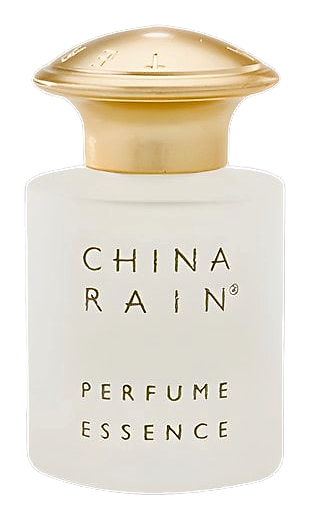
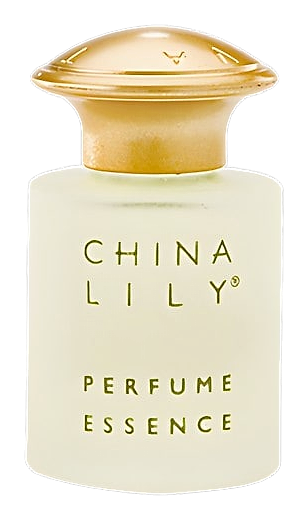
China Lily belongs to TerraNova, a house whose catalog spans floral, green, and aromatic compositions built around recognizable structures. China Lily sits in the floral-green register, the kind of fragrance that makes its intentions clear from the first spray and never apologizes for them. The composition itself is a study in contrasts, built around the fragile architecture of white florals and given structure through green, mineral-edged elements. Lily of the valley anchors the blend, with hyacinth and jasmine in support and an ozonic note at the very top that reads more like cold morning air than any identifiable fruit or citrus. On skin, the opening registers almost aqueous, a chilly transparency that flattens the rustiness muguet can sometimes carry in lesser hands.
Lily of the valley is one of perfumery's most difficult notes to render convincingly in a synthetic or natural formula. It contains no usable essential oil, so every rendition is a reconstruction, a molecular impression of something that doesn't yield its scent willingly. That technical reality shapes the character of compositions like China Lily, where the muguet impression has to be built from adjacent materials. The challenge is keeping the result wearable rather than soapy, and the ozonic top note is the move that accomplishes it here.
The evolution
The first thirty minutes are almost entirely about the open window. Ozonic notes and lily of the valley hit together, creating that cool, mineral-cold impression of air moving through a house where the heating just kicked off. There's a faint green sting from the hyacinth underneath, pulling the whole opening toward the vegetal side of the floral spectrum. After about an hour the jasmine starts to assert itself, rounding the edges of the lily and adding a soft warmth to what was previously all cool air and green stem. The scent becomes less architectural and more skin-like, though it never tips into the dense, indolic territory jasmine can occupy. By the third hour, the sandalwood is doing its patient work underneath, and the musk settles in to hold everything together. What remains at the six-hour mark is a clean, close-to-skin scent, mostly musk with a trace of sandalwood and a fading memory of lily. It doesn't project much past that point, but what's left is quietly pleasant, the kind of scent that greets you when you pull your coat off at the end of the day.
Cultural impact
China Lily sits in a quiet corner of the fragrance world, the kind of clean floral-green composition that does one thing consistently and stays in production because the people who find it tend to keep it. Within TerraNova's own catalog it occupies a distinctive position, a sibling rather than a duplicate of the brand's other atmospheric offerings. Customers who discover it often describe the experience in terms of recognition, as though the fragrance had been waiting for them. The longevity of that kind of attachment speaks to something the trend cycle cannot manufacture: a scent that rewards familiarity rather than novelty.