The Story
Why it exists.
The beginning
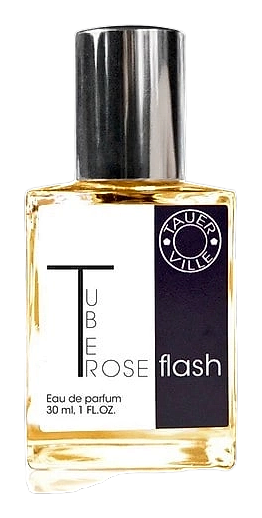
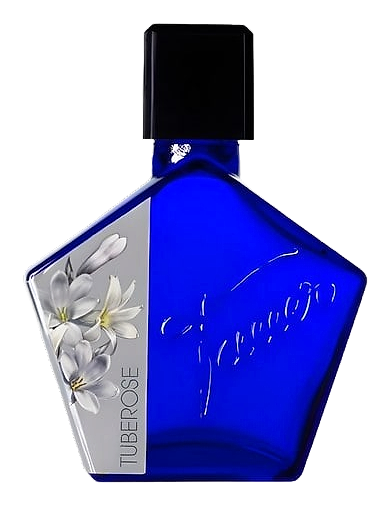
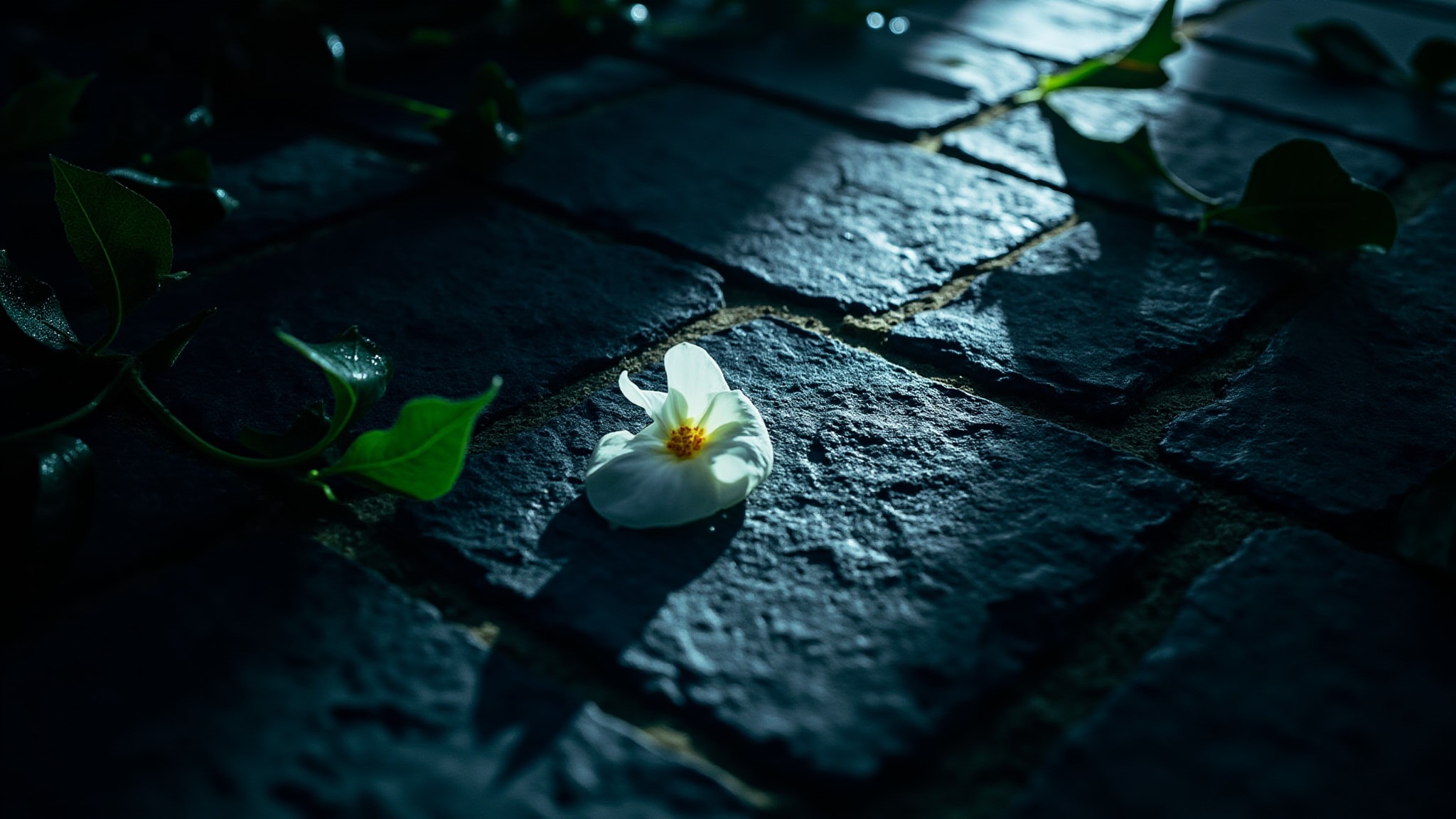
Sotto La Luna means 'under the moon' in Italian. Tuberose blooms after dark, one of the few flowers that releases its scent at night, when moths carry pollen from bloom to bloom. Andy Tauer built this fragrance around that duality: the green, sharp opening that cuts through twilight, and the warm, heady heart that opens fully once the light fades. The name is the concept, under the moon, where tuberose comes alive. The 2015 release translates that nocturnal logic into a full composition.
What makes this structure unusual is the galbanum. It isn't softening the tuberose, it's creating tension. Green, almost metallic, it pushes against the creamy white floral rather than surrendering to it. The cloves and cinnamon don't sweeten the spice; they deepen it, lending warmth that prevents the composition from reading as purely floral. The ambergris in the base (according to enthusiasts) adds an animalic undertone that rounds the drydown without becoming harsh. Tuberose appears twice in the pyramid, top and base, threading the scent from opening to close.
The evolution
The opening hits like cold air. Galbanum arrives first, green and bright, with a metallic edge that reads almost mineral. Not soft. Not forgiving. The geranium adds a faintly rosy nuance beneath, but it's subordinate to the green. Then the spices arrive, cloves and cinnamon arriving quietly, lending warmth that builds slowly rather than announcing itself. Twenty minutes in, the tuberose begins to surface. The ylang-ylang and jasmine support it, creating a lush white floral heart that feels both bold and restrained. The drydown shifts toward amber and patchouli, warm, slightly resinous, with the patchouli lending an earthy counterweight to the sweetness. The tuberose echoes in the base, less bright than the heart, more resinous. What started sharp and green settles into amber and cream. The sillage moderates over hours, but the fragrance stays close, intimate, warm, present. On some skin, it reads clearly for 8-10 hours.
Cultural impact
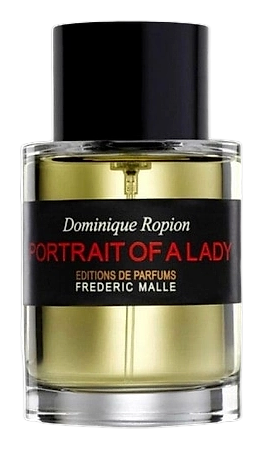
Sotto La Luna Tuberose arrived in 2015 at a moment when the white floral genre was crowded with established players like Frederic Malle's Carnal Flower and Robert Piguet's Fracas. Where those fragrances leaned into creamier, more conventional white floral territory, Tauer positioned this as an alternative approach that honored the flower's nocturnal nature. Tuberose naturally releases its scent after dark, and this 2015 release attempted to translate that into a full composition rather than a simple floral arrangement. The green-spicy structure set it apart from the outset, creating a fragrance that felt less like a conventional tuberose and more like an olfactory argument for what the flower could be when treated unconventionally.